

Iran Links Hormuz Reopening to End Gaza, Lebanon, Syria
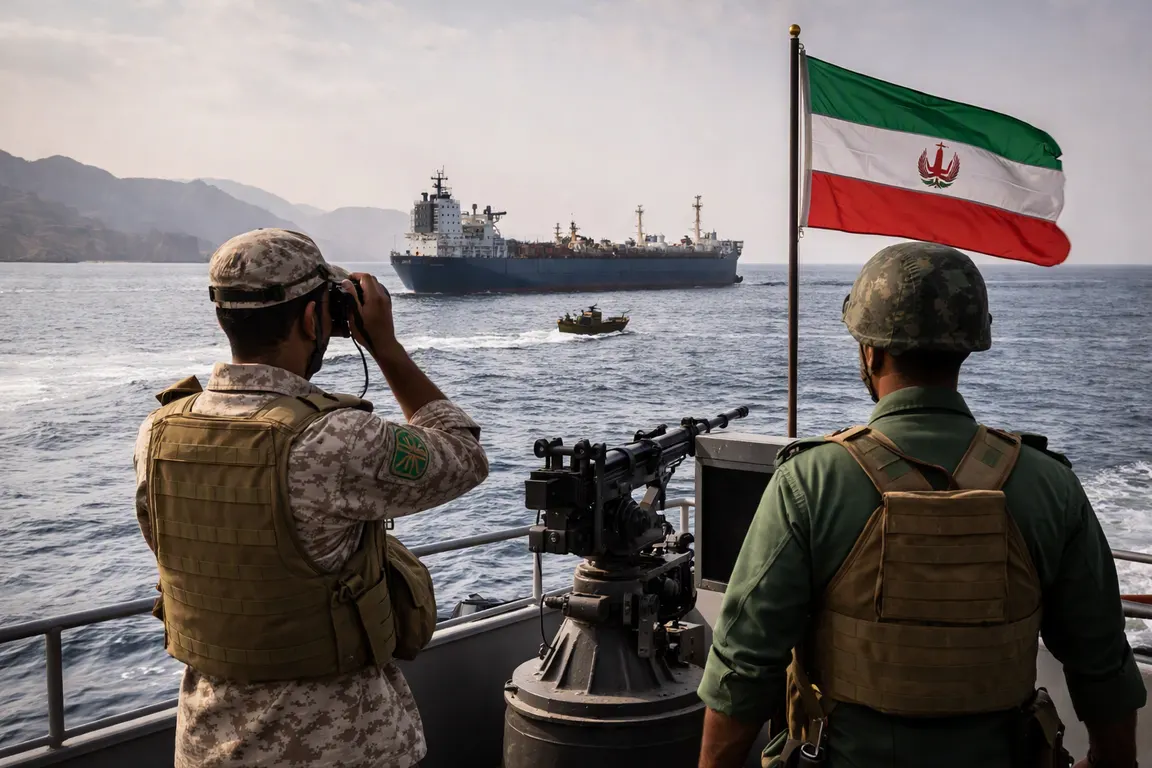
Iran said it will set specific conditions for reopening the Strait of Hormuz, the narrow waterway that carries about one‑fifth of the world’s oil. In a statement reported by Al Jazeera, Tehran warned the strait will stay closed unless Israel ends its war in Gaza, withdraws from Lebanon and halts attacks on Syria. The demand turns a shipping dispute into a broader geopolitical bargaining chip and defines the Hormuz reopening conditions.
The strait’s strategic importance makes the development urgent. Roughly 20 percent of global oil shipments pass through Hormuz, so a prolonged closure could ripple through energy markets, lift gasoline prices and raise insurance costs for carriers. U.S. officials have reportedly rejected a return to the June‑era agreement that limited Hormuz activity, while foreign delegations are arriving in Tehran to revive talks.
Iran’s demand follows weeks of diplomatic overtures. Mediating countries have sent delegations to Tehran to restart negotiations, though the identities of those states have not been disclosed. The Iranian foreign ministry said it will soon "name its terms" for reopening, but no timeline or detailed list has been made public. The United States, which opposed reviving the June deal, may have limited leverage in the talks.
The broader context is a series of intertwined conflicts. The Gaza war, Israel’s presence in southern Lebanon and its air campaign over Syria have strained regional stability for months. By linking Hormuz to the cessation of those hostilities, Tehran is using its control of a vital chokepoint to press for a wider peace settlement. Analysts note the demands are political, not operational, and their feasibility remains uncertain.
For oil markets, the stakes are immediate. If the strait stays shut, crude traders may divert shipments around the Cape of Good Hope, adding days to voyages and driving up freight rates. Shipping companies could face higher insurance premiums, and consumers in the United States, Europe and Asia could see gasoline and heating costs climb. Regional economies that depend on transit revenues—particularly the United Arab Emirates, Saudi Arabia and Iran itself—risk fiscal strain if traffic does not resume.
Mediators are reportedly trying to separate the oil‑security issue from the broader war agenda. Regional powers and possibly European states are said to be urging Tehran to decouple the two sets of demands. Their ability to persuade Iran will determine whether a technical solution for Hormuz can be reached without a comprehensive settlement of the Middle‑East conflicts.
The next step is clear: Tehran will publish its list of conditions, and the delegations will assess whether any can be met or negotiated. Until then, the Hormuz corridor remains a flashpoint where energy security and regional politics intersect, leaving global markets and everyday consumers in a state of heightened uncertainty.