

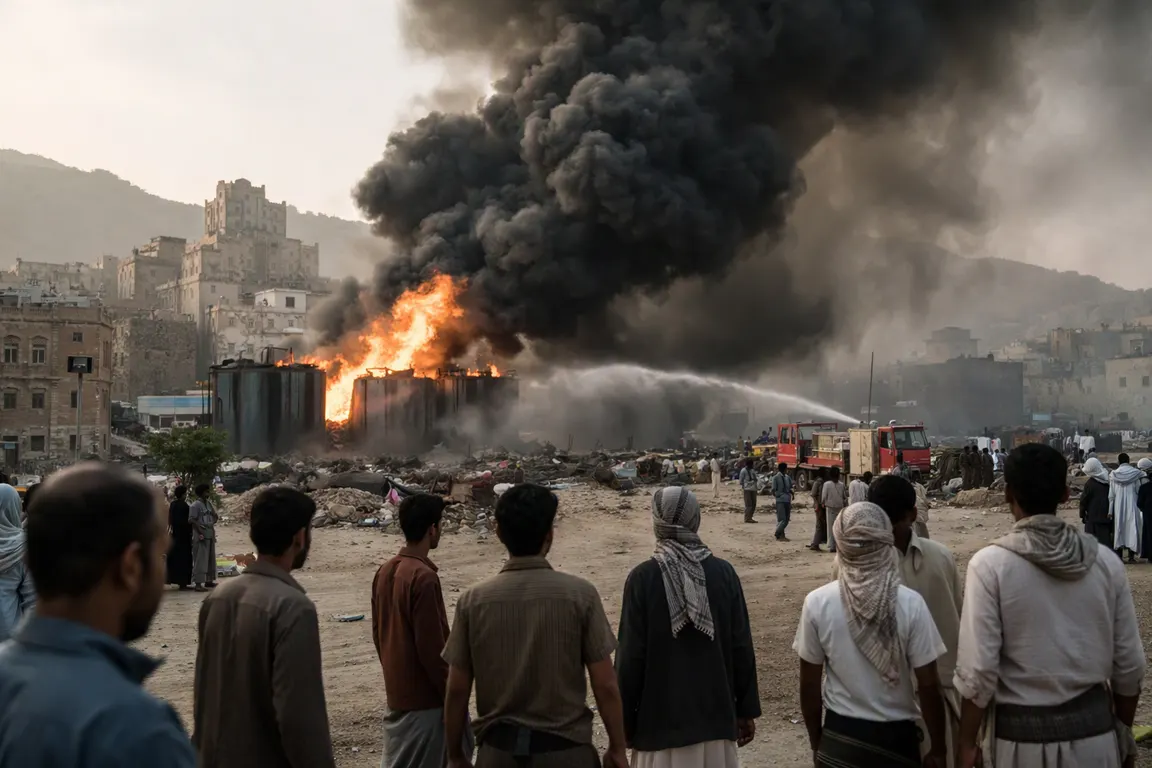
On Oct. 13, 2026, Houthi missiles launched by Yemen’s Iran‑backed movement entered Saudi airspace over Dhahran and were shot down by Saudi defenses. At the same time, Saudi‑led coalition aircraft struck a fuel depot on the outskirts of Sanaa, which the coalition said was storing fuel for Houthi use.
The twin attacks bring Saudi Arabia’s primary oil‑producing complex into the direct line of the Yemen conflict and raise immediate safety concerns for residents of the Eastern Province. Any disruption at the Aramco hub could also reverberate through global oil markets.
Early that morning Saudi warplanes bombed the Sanaa depot, a target the coalition identified as a logistics node for the Houthis. The strike was confirmed by multiple outlets, including the BBC and The Guardian, and marked the first large‑scale Saudi attack on Yemen’s energy infrastructure since the war began in 2015.
Minutes later Houthi forces fired a salvo of ballistic missiles toward Dhahran, home to Saudi Aramco’s headquarters. Saudi spokesperson Turki al‑Maliki said the missiles were intercepted and destroyed over Dammam/Dhahran, but shrapnel fell in a residential neighbourhood, prompting evacuation warnings for nearby communities, King Khalid Airport and the Riyadh refinery.
A source with direct knowledge told Reuters that debris struck the Aramco complex, though it was unclear whether any building was damaged. Saudi Aramco has not issued an official statement confirming damage or operational impact, and independent on‑site verification remains unavailable.
The same day Saudi air defenses engaged additional missiles near Riyadh, forcing a temporary closure of Riyadh’s international airport and disrupting passenger and cargo flights.
For residents of Dhahran and surrounding towns, the fallout was immediate. Shrapnel fragments landed in a housing area, prompting local authorities to issue evacuation orders and distribute protective gear. Schools nearby were closed temporarily, and emergency services reported several minor injuries.
Global oil markets reacted quickly. Brent crude futures rose about 1.2% in early trading as investors weighed the risk of a disruption at Aramco’s headquarters, the world’s largest oil exporter. While daily production has not been confirmed as impaired, any prolonged interruption could tighten supply and increase price volatility.
The Sanaa depot strike fits a broader coalition strategy of targeting Houthi supply lines to limit the rebels’ missile capability. The Houthi missile launch, however, demonstrates an ability to reach deep into Saudi territory, a development analysts say could pressure Saudi authorities to reinforce air‑defence networks around critical infrastructure.
Looking ahead, Saudi officials say they will continue to bolster missile‑defence systems around key energy sites and maintain a heightened alert level for the Eastern Province. International monitoring bodies have called for independent verification of any damage to Aramco’s facilities, and the United Nations has urged both parties to protect civilian populations.
Observers will watch to see whether the Houthi launch marks a new phase of direct strikes on Saudi infrastructure and how any confirmed disruption at the Dhahran complex might affect oil supply dynamics in the weeks ahead.