

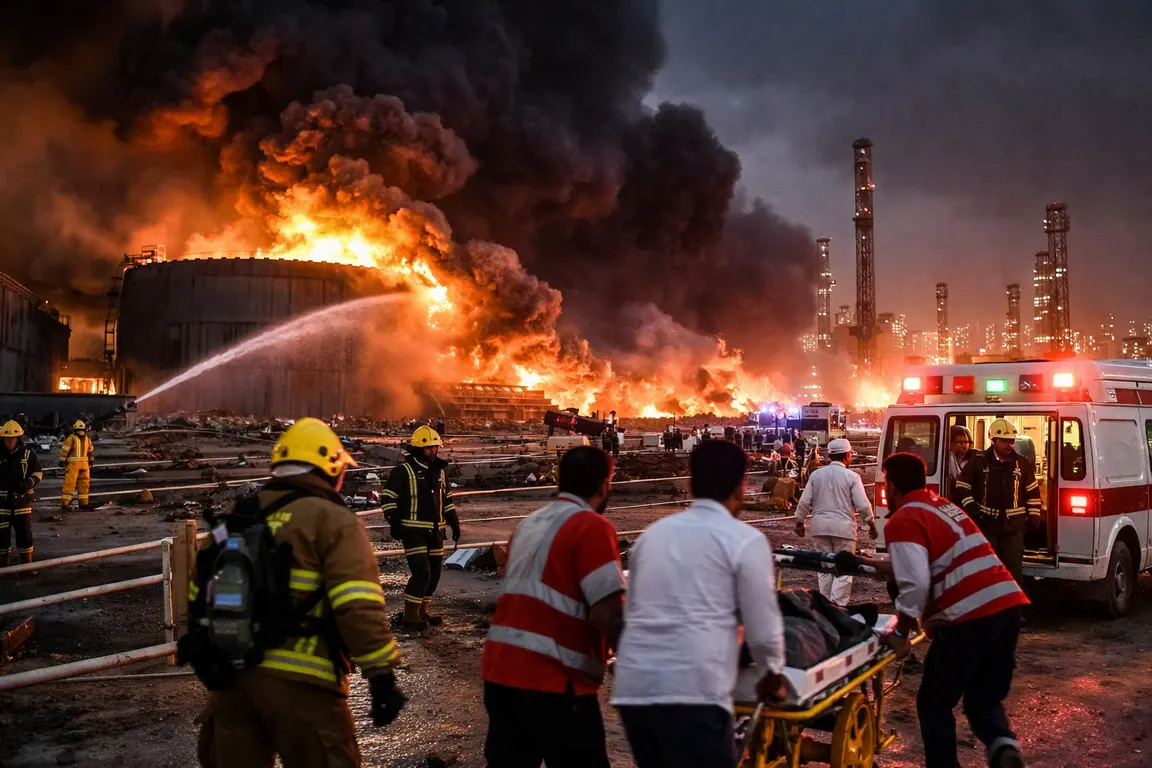
Overnight on Sept. 7, Yemen’s Houthi movement launched dozens of ballistic missiles and drones at Saudi Arabia’s southern oil facilities and the Khamis Mushait air base. The strikes ignited fires at sites in Abha, Najran, Jizan and the Economic City, injuring at least 73 civilians, including women and children.
Saudi Energy Ministry officials confirmed the blasts and said specialized teams were working to contain the damage and restore operations. Independent verification of damage at the Jizan Aramco complex is still pending.
The attacks represent the most extensive Houthi assault on the kingdom’s oil heartland to date and raise immediate safety concerns for residents of the affected provinces. Power outages, disrupted water supplies and limited fuel access were reported in the aftermath, and hospitals saw a surge of patients with burns and blast‑related injuries. Schools near the strike zones were temporarily closed.
Oil markets reacted within hours. Brent crude rose more than 1 % as traders priced in the risk of short‑term supply disruptions. While Saudi Aramco has not given a timeline for full resumption, past incidents suggest that shutdowns of key export terminals can last from a few hours to several days, depending on the severity of damage.
In response, the Saudi‑led coalition carried out airstrikes across Yemen’s Al‑Jawf, Al‑Bayda, Maʿrib, Taiz and Al‑Hudaydah provinces later that day. A strike on Al‑Hazm prison in Al‑Jawf killed at least seven people, including a child, and wounded seven others, underscoring the rapid escalation on both sides.
Saudi Deputy Defense Minister Maj. Gen. Samir Al‑Sabri told state media that Riyadh is preparing a “surprise” operation to retake Sanaa. The statement was echoed by regional outlets, but no details have been released.
Diplomatic efforts remain limited. The United States called for restraint, and the United Arab Emirates and Oman offered to mediate, but no concrete de‑escalation plan has emerged. The broader U.S.–Iran confrontation continues to influence oil markets and adds complexity to any negotiation.
The immediate humanitarian impact is clear. Residents of the southern provinces face damaged infrastructure, limited utilities and a heightened risk of further attacks. Emergency crews are working to secure the sites and restore essential services.
From a market perspective, the brief shutdown of export terminals revived concerns about tightening global supply. The 1 % rise in oil prices reflects heightened risk premiums that could translate into higher fuel costs for consumers worldwide if the conflict persists.
Looking ahead, observers will watch whether Saudi Arabia’s response expands beyond airstrikes to a ground operation and how the international community balances pressure on the Houthis with the need to keep oil flows stable. As the situation unfolds, civilian safety in Saudi Arabia’s south and the stability of global energy markets remain at stake.