

Hormuz VLCC Missile Strike Raises Oil Prices and Treasury
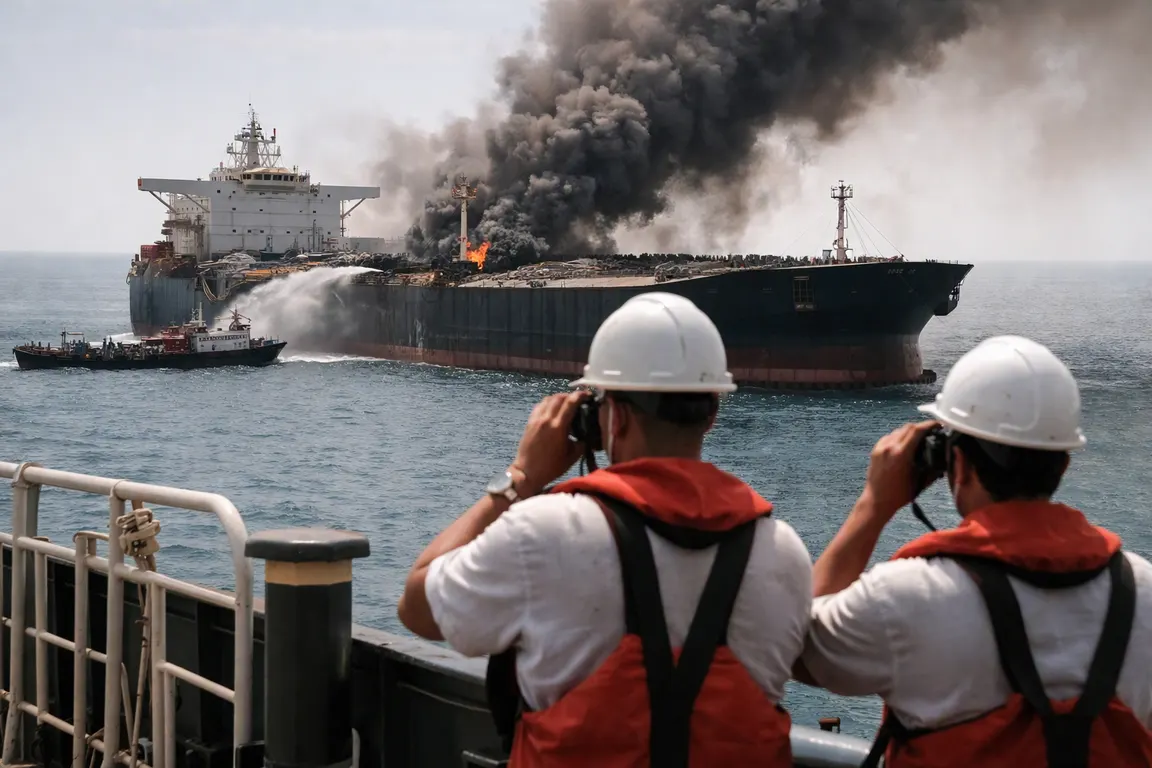
A Hormuz VLCC missile strike hit a Very Large Crude Carrier in the Strait of Hormuz on Sept. 28, killing no crew members but igniting a fire that was quickly extinguished, UKMTO officials said. The attack underscored Tehran’s warning that oil shipments could be jeopardized if the United States does not guarantee security for Iranian exports.
The incident arrived as oil markets processed mixed reports of a tentative Iran‑U.S. deal to halt enrichment in exchange for sanctions relief. Brent crude slipped to about $105 a barrel after the report, then steadied in the $105‑$108 range as investors weighed the credibility of the alleged agreement. At the same time, the U.S. 10‑year Treasury yield rose to 5.24‑5.26 percent, a multi‑year high that is pressuring bond portfolios and raising borrowing costs for corporations and governments.
The convergence of oil‑price volatility, higher yields and geopolitical risk has immediate consequences for a broad set of stakeholders. Pump prices for gasoline are expected to stay elevated, squeezing household budgets worldwide. Shipping firms that transit Hormuz face higher insurance premiums and the prospect of further vessel damage. Pension funds and other fixed‑income investors see the value of their holdings erode as yields climb. In Iran, sanctions, a weakening rial and higher fuel costs threaten to deepen inflation for ordinary citizens.
The tension traces back to early September when Iran’s parliament speaker warned, “If we cannot sell oil, no one will sell oil,” signaling Tehran’s willingness to leverage its export capacity. The Sept. 28 VLCC strike demonstrated the tangible risk to a shipping lane that carries roughly a fifth of the world’s oil. The next day, Qatar announced renewed mediation efforts, but Iran’s foreign minister reiterated that nuclear issues remain off‑limits, rejecting any suggestion that Tehran had softened its stance on enrichment. Saudi Arabia meanwhile resumed crude loading from its Yanbu terminal after pipeline repairs, easing some supply constraints but not offsetting broader uncertainty.
U.S. officials have offered mixed messages. President Trump publicly denied any offer of sanctions relief, while unnamed U.S. representatives have been reported as open to negotiation. Qatar’s involvement is documented in multiple sources, yet Iranian spokespeople say substantive talks have not yet occurred, underscoring the difficulty of confirming diplomatic progress.
If Hormuz shipping were disrupted for an extended period, tankers would have to reroute around the Cape of Good Hope, adding weeks to transit times and raising freight costs. Higher Treasury yields translate into larger interest expenses for corporations issuing new debt and lower returns for retirees whose savings are tied to bond performance. A Senate subcommittee report linking the Tether stablecoin to Iranian sanctions evasion has revived regulatory scrutiny of digital assets, and the failure to pass the CLARITY Act leaves the legal framework for stablecoins uncertain.
As the Senate prepares its next session, two unresolved questions dominate the horizon: whether concrete de‑escalation steps will emerge from Qatar‑mediated talks, and how regulators will address the stable‑coin concerns raised by the subcommittee’s findings. Both issues will shape market expectations and policy decisions in the weeks ahead.