

Hormuz reopening plan: Iran's 7‑day proposal amid U.S
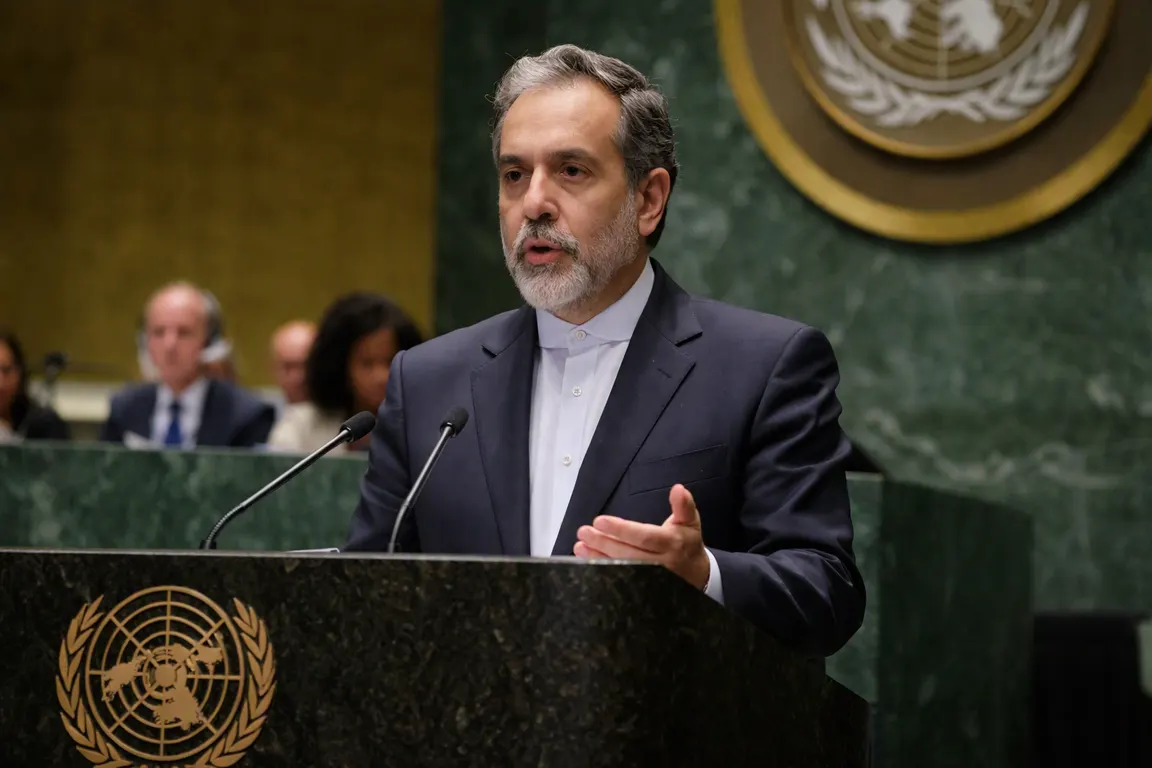
Iranian Foreign Minister Abbas Araghchi unveiled a seven‑day Hormuz reopening plan during the United Nations General Assembly week. The roadmap asks the United States to lift asset freezes, allow Iranian crude exports and agree to a regional cease‑fire within two weeks.
The strait carries about 20 percent of world oil shipments. If the timetable is met, analysts estimate oil prices could fall 1‑2 percent, shaving roughly $5‑$10 per barrel off U.S. pump prices – a potential relief for consumers ahead of the November 5 midterm elections.
Araghchi’s proposal mirrors the 14‑point memorandum of understanding signed by the Trump administration in June 2024, which later collapsed. The new roadmap repeats three core demands: unfreeze Iranian assets, resume oil flows, and secure a “ceasefire on all fronts,” which includes a call for Israel to halt attacks on Hezbollah in Lebanon. Tehran also signals a conditional willingness to surrender its highly enriched uranium stockpile, though the quantity remains unverified.
White House spokesperson Anna Kelly reiterated that the administration will not permit Iran to acquire a nuclear weapon and stopped short of confirming any policy shift. U.S. officials have publicly denied an imminent change, leaving a gap between Tehran’s overture and Washington’s stated stance. Energy analysts note that markets are already reacting to the uncertainty; oil prices rose in early October on speculation, but a confirmed reopening of Hormuz could reverse that trend.
Regional actors have weighed in. Kuwait and the European Union called for unhindered navigation of the strait, citing global energy security. Yemen’s government warned that heightened military posturing could spill into its own conflict zones. Israeli officials dismissed the cease‑fire demand as unrealistic, insisting any agreement must address Iran’s support for proxy groups.
The timing adds a political calculus. With the midterm campaign in its final weeks, swing‑district voters are likely to notice any change in gasoline or heating‑oil costs. Campaign ads have already linked fuel‑price volatility to foreign‑policy competence, and a tangible reduction could become a bargaining chip for incumbents and challengers alike.
Critics argue the roadmap is a repackaged version of the failed 2024 MOU and that the United States lacks a clear security payoff for meeting Tehran’s demands. Others suggest the proposal could force Washington – whether under the current administration or a future one – to make a concrete policy decision rather than remain in diplomatic limbo.
The deadline falls less than two weeks before voters head to the polls. The United States must decide whether to engage with the seven‑day plan, negotiate a revised framework, or maintain its current posture. How the administration responds will shape oil markets and the broader narrative of U.S. foreign‑policy credibility at a pivotal electoral moment.