

Hormuz Oil Price Surge Pushes Brent Above $107
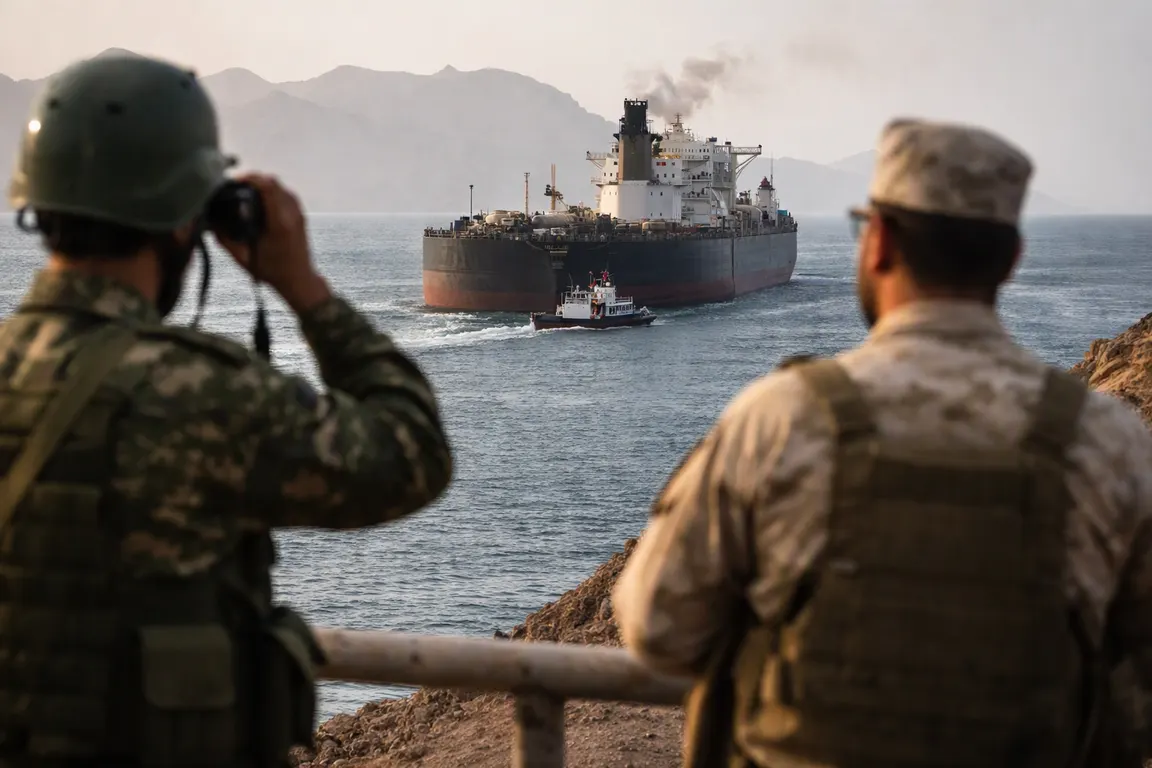
President Donald Trump’s outright rejection of Iran’s seven‑day truce proposal reignited the Hormuz oil price surge, lifting Brent crude more than 3% to just over $107 a barrel on Monday, while West Texas Intermediate rose 1.8% to $94.07. The move revived supply‑risk concerns, nudged inflation expectations higher and sharpened market bets that the Federal Reserve will deliver a second consecutive rate hike at its October meeting.
The Hormuz chokepoint handles roughly one‑fifth of global oil shipments. Even the perception of heightened risk can quickly translate into higher pump prices for consumers and tighter margins for energy‑intensive industries. The rally coincided with global bond yields breaking the 4% threshold for the first time since 2007 and the CME FedWatch tool indicating a greater than 65% probability of another Fed rate increase, signaling a tighter monetary environment.
Iran introduced its truce plan late last week at the United Nations General Assembly, offering to suspend attacks on shipping and to reopen the Strait for a week in exchange for the release of frozen Iranian assets, the lifting of oil sanctions and an end to the U.S. naval presence Tehran calls a blockade. Markets initially priced in a possible de‑escalation, sending Brent down more than 2% on Friday.
On Saturday, Trump told reporters at the White House, “I reject their proposal.” Administration officials later said the offer did not meet U.S. demands. Wall Street Journal analysts noted the rebuff added “fresh hurdles” to U.S.–Iran diplomacy and heightened regional security concerns. Al Jazeera and the Manila Times linked the president’s statement directly to Monday’s price surge.
Brent’s rise above $107 marks the highest level since early 2023, and WTI’s gain pushes it toward a three‑month high. Asian equity markets slipped, with Tokyo’s index down 0.7%, while the Dow Jones rose 0.9%, reflecting divergent regional sentiment. Higher oil prices are already feeding through to gasoline and jet fuel, raising travel costs for households and operating expenses for airlines, shipping firms and manufacturers that rely on petroleum‑based inputs.
The episode also reshapes expectations for monetary policy. The Fed’s primary tool—interest rates—has already been used to combat inflation, and the probability of a second hike in October has risen above two‑thirds, according to CME data. Higher rates could further strain borrowers, while elevated oil prices add another layer of cost pressure for consumers, especially those in inflation‑sensitive brackets.
Diplomats say indirect talks could resume as early as Monday, though no formal channel has been confirmed. If a new diplomatic pathway opens, it may ease the supply‑risk narrative driving market volatility. Until then, uncertainty surrounding Hormuz remains a key variable for traders, policymakers and households alike.
The next concrete step will be whether U.S. officials engage with Iranian intermediaries in the coming days. A renewed dialogue could lower perceived risk to the Strait, potentially tempering oil prices and easing pressure on inflation forecasts. Absent such a breakthrough, the market is likely to remain on edge, with the price of a barrel continuing to influence everything from grocery receipts to central‑bank decisions.