

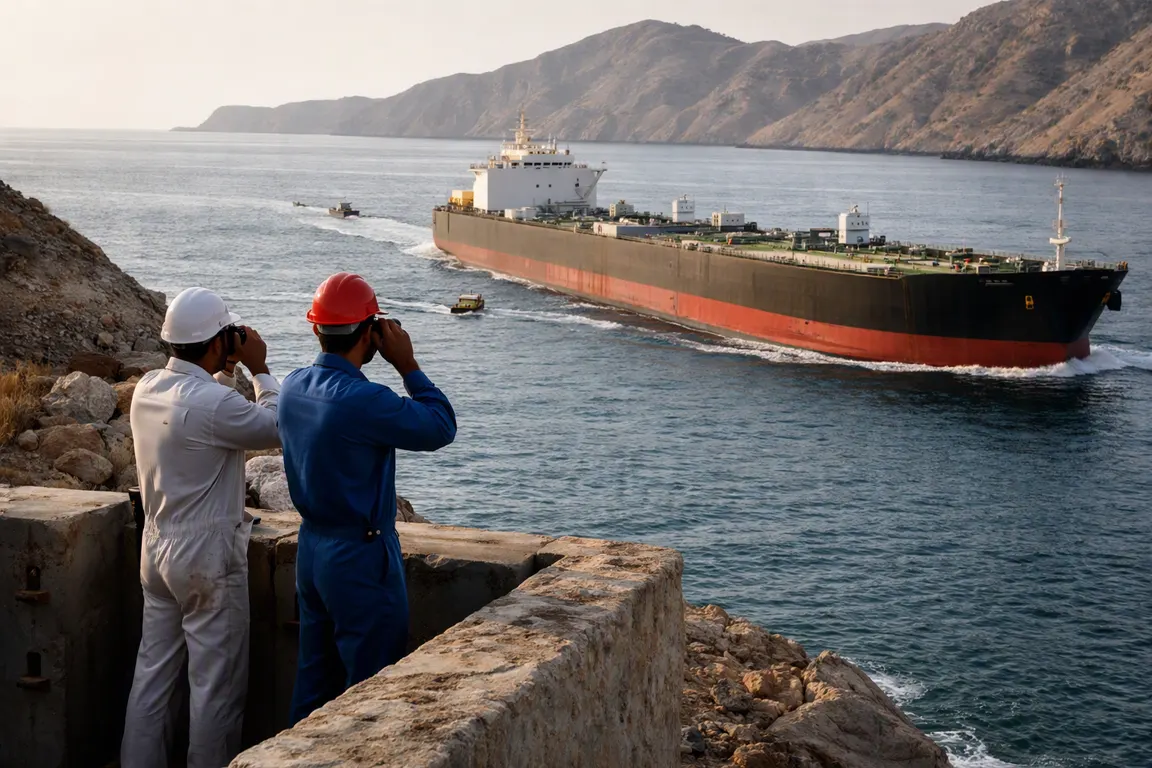
For the third consecutive day, Brent settled at $85 a barrel and U.S. West Texas Intermediate hovered near $81.50 on Aug. 26, extending a weekly decline of more than nine percent. The slide follows an interim shipping framework announced jointly by Iran and Oman that could reopen a temporary corridor through the Strait of Hormuz, the world’s most critical oil‑transit chokepoint, and it has lifted optimism around Hormuz corridor oil prices.
Traders are weighing two opposing forces. On the one hand, the tentative corridor could ease the Hormuz bottleneck and reduce the risk premium on Middle‑East oil. On the other, Washington is tightening sanctions on Iran‑related activity while drawing down the Strategic Petroleum Reserve (SPR) to a precarious 289.7 million barrels—just above the 250‑300 million‑barrel operational floor. The mix creates a volatile supply picture that reverberates through gasoline and diesel markets and raises questions about the nation’s energy‑security buffer.
The interim framework, unveiled in mid‑August, establishes a temporary joint lane for tankers while negotiations continue toward a permanent arrangement. The deal does not lift the secondary sanctions announced earlier this month that punish any country evading Iran‑related restrictions. Treasury officials said the sanctions will remain in force regardless of the corridor’s status, underscoring the administration’s focus on curbing Tehran’s oil revenue.
At the same time, the SPR draw – 3.6 million barrels in the latest reporting week – brings the reserve within a few dozen million barrels of its lowest operational level. The draw is part of a historic release program intended to blunt rising fuel prices, yet it also erodes a key emergency buffer the government could deploy in a supply shock.
U.S. inventory data present a mixed picture. The American Petroleum Institute reported a crude build of 4.2 million barrels, while the Energy Department logged a net crude draw of just 95,000 barrels, suggesting a near‑flat overall balance. By contrast, product stocks are sharply lower. Gasoline inventories fell by 3.2 million barrels (API) and 2.54 million barrels (DOE); distillate stocks slipped 459,000 barrels (API) and 2.23 million barrels (DOE). The draw reflects record‑high refinery utilization – the highest seasonal level since 1998 – as plants run near capacity to meet summer demand.
Satellite imagery from Aug. 25 captured more than fifteen ship‑to‑ship transfers in the Gulf of Oman, moving roughly 25 million barrels of crude and products. The activity indicates regional producers are already rerouting cargoes around the contested waterway, a shift that could sustain Gulf export revenues even as the Hormuz corridor remains provisional.
For American drivers, the paradox is stark: falling crude prices are being offset by dwindling gasoline and diesel stocks, which are near 25‑year lows. Retail fuel prices are expected to stay elevated until product inventories recover or the SPR can be replenished. Refiners, meanwhile, face the twin risk of equipment strain from sustained high utilization and the possibility of unplanned outages that would tighten product supplies further.
The broader implications hinge on two uncertain timelines. First, the interim Hormuz corridor could begin easing the risk premium if it operates smoothly, but without a sanction‑relief package the flow of Iranian‑origin oil may remain constrained. Second, the SPR’s approach to its operational floor limits the government’s capacity to intervene should a sudden supply shock occur, heightening systemic risk for the U.S. economy.
The coming weeks will test whether diplomatic progress can translate into measurable supply gains and whether policymakers will adjust sanctions or reserve draws in response to market stress. Both outcomes will shape fuel prices at the pump and the resilience of the global oil market.