

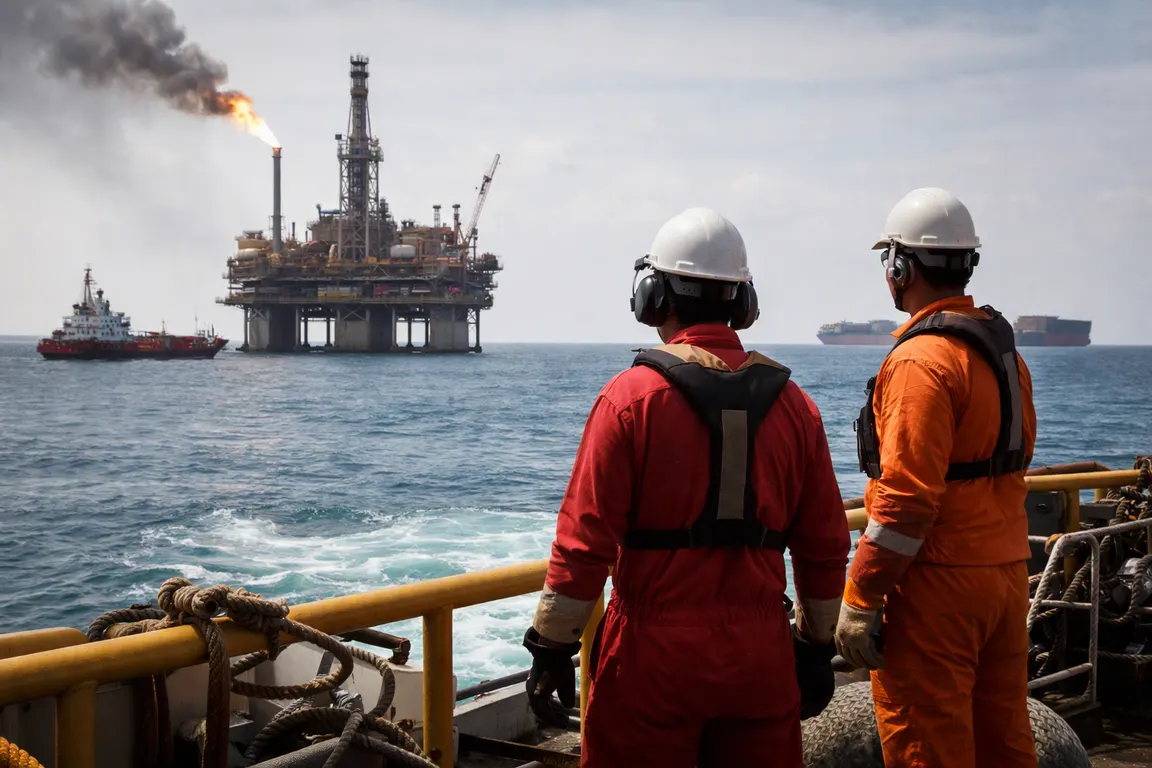
Brent crude rose 2.1% on Wednesday, breaking the $100‑a‑barrel mark for the first time since July. The jump followed fresh exchanges of fire between U.S. forces and Iranian units in the Gulf of Oman and a series of Houthi missile strikes on Saudi cities, reviving concerns about Gulf oil supply risk and the security of the Strait of Hormuz.
The price rise adds pressure to gasoline and transport costs at a time many economies are still coping with elevated inflation. Higher fuel prices hit household budgets, raise operating costs for airlines and freight shippers, and could feed further upward pressure on consumer‑price indexes.
The Wednesday rally was the latest response to a cascade of Gulf incidents. Early in August, U.S. naval vessels reported exchanging fire with Iranian forces in the Gulf of Oman, a development analysts said could threaten oil flow through the region. At the same time, Houthi militants launched rocket attacks on several Saudi cities, and Iranian missile fire entered Jordanian airspace. In the Strait of Hormuz, vessels and tankers were targeted, prompting some shipping companies to reroute traffic and raise insurance premiums.
Multiple outlets, including The Guardian, NBC, The Independent, the Wall Street Journal and CNBC, confirmed the price level and linked it to the heightened tensions. No new sanctions or policy shifts were announced, indicating the market reaction stemmed primarily from perceived supply‑risk rather than formal trade measures.
The immediate impact on consumers is already visible. Import‑dependent economies that rely on seaborne oil face higher pump prices for gasoline and diesel, while households with already strained energy budgets may see heating costs climb. Logistics firms have warned of tighter freight margins as fuel expenses rise, and some airlines have signaled modest fare adjustments to offset higher jet‑fuel costs.
Beyond the short‑term price effect, the episode raises broader questions about the vulnerability of the Strait of Hormuz. The waterway carries roughly a third of the world’s oil trade, and any sustained disruption could force a sharp reallocation of supply routes, potentially inflating global oil prices further. While recent attacks have not halted tanker movements, the pattern of targeting vessels underscores the strategic leverage regional actors possess.
Governments and industry groups have begun to assess contingency plans. The International Maritime Organization reiterated existing guidelines for safe passage, and several national oil ministries have urged commercial fleets to maintain heightened vigilance. No coordinated diplomatic initiative to de‑escalate the specific incidents has been reported.
The current spike joins a series of price shocks that have historically followed Middle‑East conflicts, such as the 2014‑15 rise after the emergence of ISIS and the 1990‑91 surge during the Gulf War. Compared with those episodes, the present increase is more modest in magnitude but notable for its speed; Brent fell below $100 in July and breached the level again within weeks, highlighting the market’s sensitivity to real‑time security alerts.
As the Gulf remains volatile, the next key indicator will be whether shipping traffic through the Strait stabilises or faces further interruptions. Traders will be watching for diplomatic overtures or additional military actions that could either calm or exacerbate supply‑risk perceptions, leaving the trajectory of oil prices—and the downstream cost pressures on consumers—uncertain.