

Gulf Oil Price Risk Pushes Brent to Five‑Month High
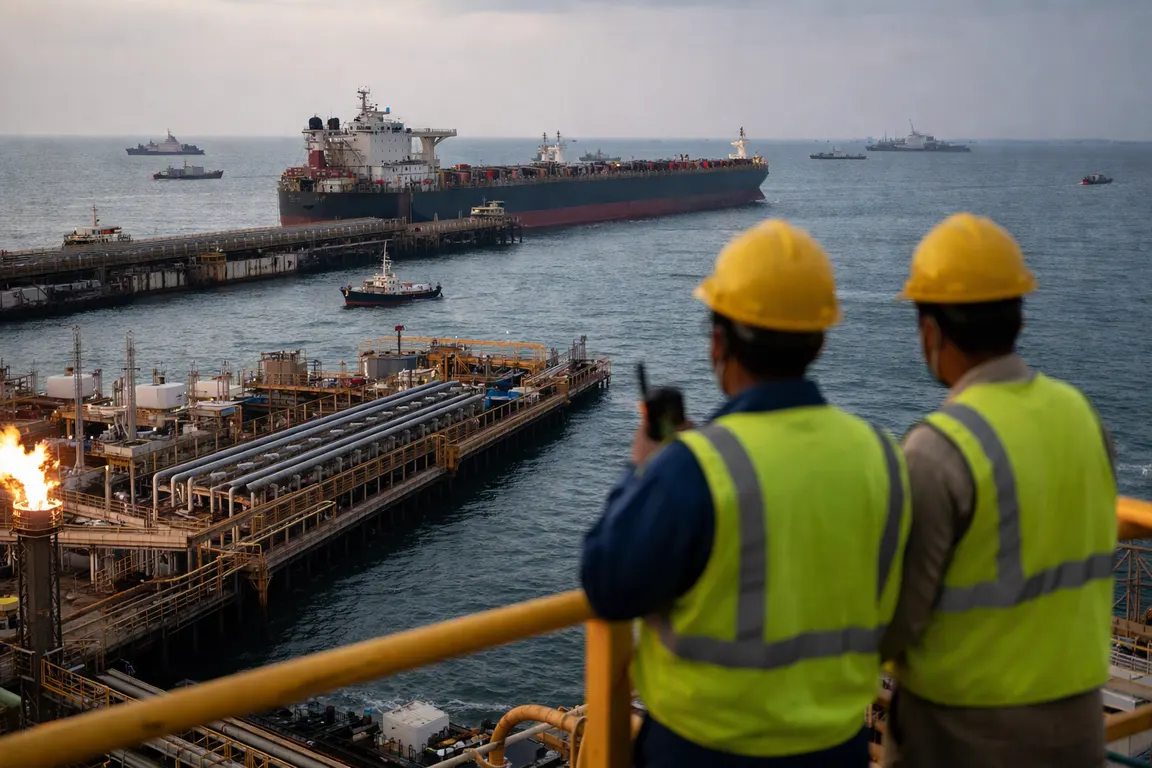
Brent crude rose to $112 a barrel on Oct. 22, its highest level since May, as Gulf oil price risk grew amid a cluster of security incidents in the Gulf and reports of a U.S.–Israel plan to strike Iranian energy assets.
The jump matters for consumers and policymakers alike. Higher oil prices lift gasoline and heating costs, add to inflation pressures and force shippers to reconsider routes through the Strait of Hormuz.
In early October, Iran’s Islamic Revolutionary Guard Corps claimed seven tankers were hit or damaged near the strait in a 24‑hour period – four during ship‑to‑ship transfers and three by mines. No independent tracking data have confirmed the attacks, and analysts note the lack of corroborating evidence.
At the same time, the United States ordered embassy staff and their families to leave Saudi Arabia, citing elevated security threats. The evacuation, confirmed by multiple outlets, underscores Washington’s assessment that the regional environment is volatile.
Adding to the pressure, a drone strike on Saudi Aramco’s Shaybah field on Oct. 22 killed two workers, though the field kept producing. Separate Houthi attacks in Saudi Arabia have killed at least four people, targeting an airport and oil‑processing facilities.
A separate report says U.S. and Israeli officials have drafted a limited strike campaign against Iranian nuclear, missile and energy targets. The New York Times attributes the draft to unnamed officials and says it is being considered after the U.S. midterm elections, but no execution timeline has been disclosed.
Oil flow data for the week ending Oct. 18 show Middle‑East exports averaging more than 24 million barrels per day, a level that exceeds pre‑war volumes, according to industry tracking. U.S. naval escorts have helped keep traffic moving through the Hormuz corridor, though the president has called the Iranian tanker claims “fake,” reflecting the disputed nature of the reports.
Traders have priced in the risk of further disruptions, pushing Brent to the five‑month high. The rise translates directly into higher fuel costs for drivers, increased freight rates for shippers and added inflationary pressure for economies already coping with tight monetary policy.
Governments are responding with protective steps. The United States has relocated diplomatic staff from Saudi Arabia, while Saudi authorities have heightened security at oil facilities and airports. Regional navies continue to escort commercial vessels through the strait to preserve the flow of more than 20 million barrels per day.
The coming days will reveal whether the unverified tanker incidents and the reported U.S.–Israel strike plan materialize into concrete actions. Market observers will watch for any official confirmation of the Iranian claims, further diplomatic moves and statements from Washington or Jerusalem that clarify the scope and timing of a potential strike. Until then, oil markets and consumers remain exposed to a volatile mix of geopolitical risk and speculation.