

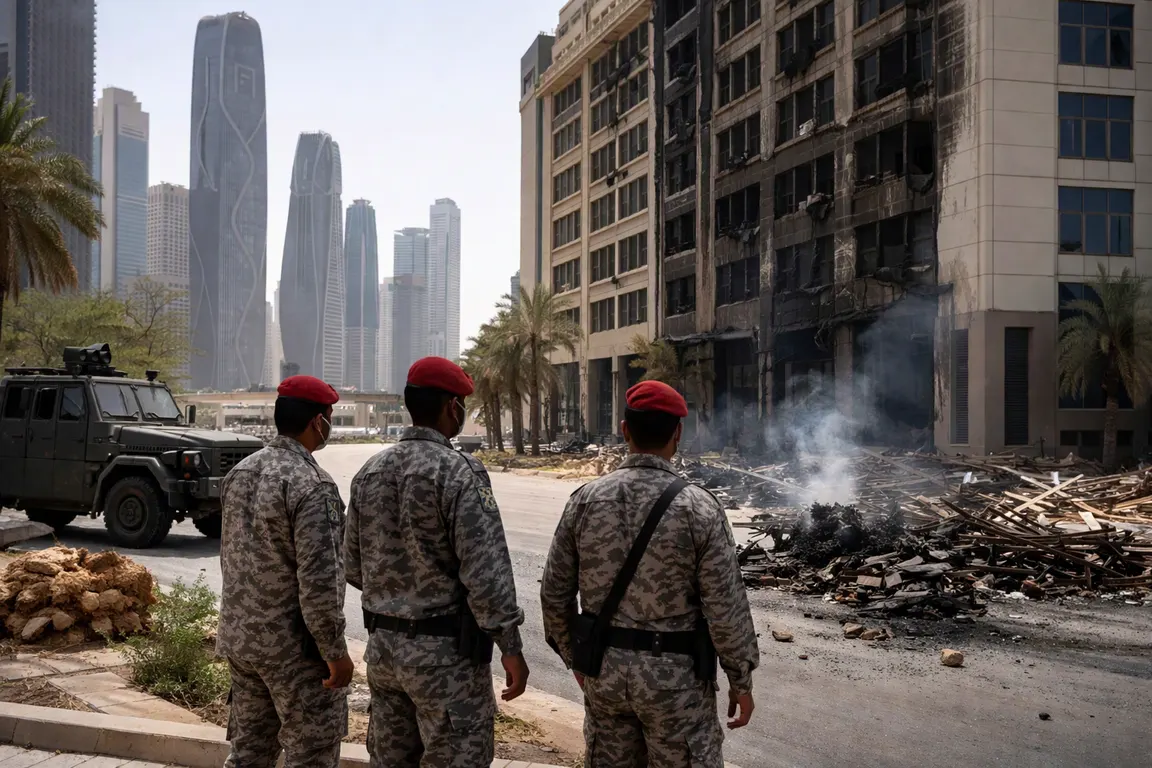
Saudi officials said the Future Investment Initiative online, slated for next week in Riyadh, will be held entirely virtual after a series of missile and drone strikes by Iran‑backed Houthi rebels raised security concerns.
The shift underscores the growing risk environment in the kingdom and threatens the flow of foreign capital that underpins Vision 2030. The summit, billed as a "Davos in the desert," was expected to draw hundreds of investors, CEOs and government leaders. Its removal from the Riyadh calendar eliminates a high‑profile venue for new financing deals and raises questions about Saudi Arabia’s capacity to host large‑scale events amid regional conflict.
The decision follows recent Houthi attacks that targeted Riyadh and other Saudi sites. While no confirmed casualties were reported in the capital, the strikes prompted a rapid security assessment by Saudi agencies. The Ministry of Investment and the Ministry of Foreign Affairs issued a joint statement saying participant safety was the primary reason for moving the event online, a position echoed by the Wall Street Journal, which reported the summit will now be fully virtual.
Organisers had planned to showcase projects linked to Vision 2030, ranging from renewable energy and tourism to digital infrastructure. Thousands of hotel rooms, catering contracts and conference facilities had been booked, with expectations of a boost to the hospitality and service sectors. The Independent World described the cancellation as an "economic blow" because the loss of on‑the‑ground networking could delay or derail investment commitments that were expected to be sealed during the week‑long gathering.
International investors now face a less personal environment for deal‑making. Face‑to‑face meetings, spontaneous discussions in Riyadh’s luxury venues and side‑event networking – hallmarks of the FII – will be replaced by scheduled video calls. Analysts warn the shift could slow funding, especially for domestic firms seeking foreign partners for large‑scale projects. The New York Post highlighted the security fears that prompted the move, noting the Houthi group’s previous attacks on Saudi oil infrastructure and raising questions about the resilience of critical economic assets.
Beyond the immediate financial impact, the cancellation may affect Saudi Arabia’s broader perception among global investors. The kingdom has spent years promoting a stable environment for foreign direct investment as part of its diversification strategy. Repeated disruptions linked to regional conflict could prompt investors to reassess risk premiums, potentially influencing the timing and scale of future capital inflows.
Saudi authorities have not provided a timeline for a possible resumption of the in‑person summit. Officials said the decision will be revisited once the security situation stabilises and that any future event will depend on clear criteria regarding threat levels and participant safety. In the meantime, the virtual format will proceed, with organizers promising that the agenda – including panels on clean energy, fintech and tourism – will remain unchanged.
The kingdom will continue to monitor the security environment and communicate updates on the summit’s status. Investors and local businesses will be watching for signals that Riyadh can once again host large international gatherings without compromising safety, a factor that will shape the trajectory of Vision 2030’s investment targets in the months ahead.