

Fed Rate Hike Sparks Nasdaq Surge Amid Options Buying
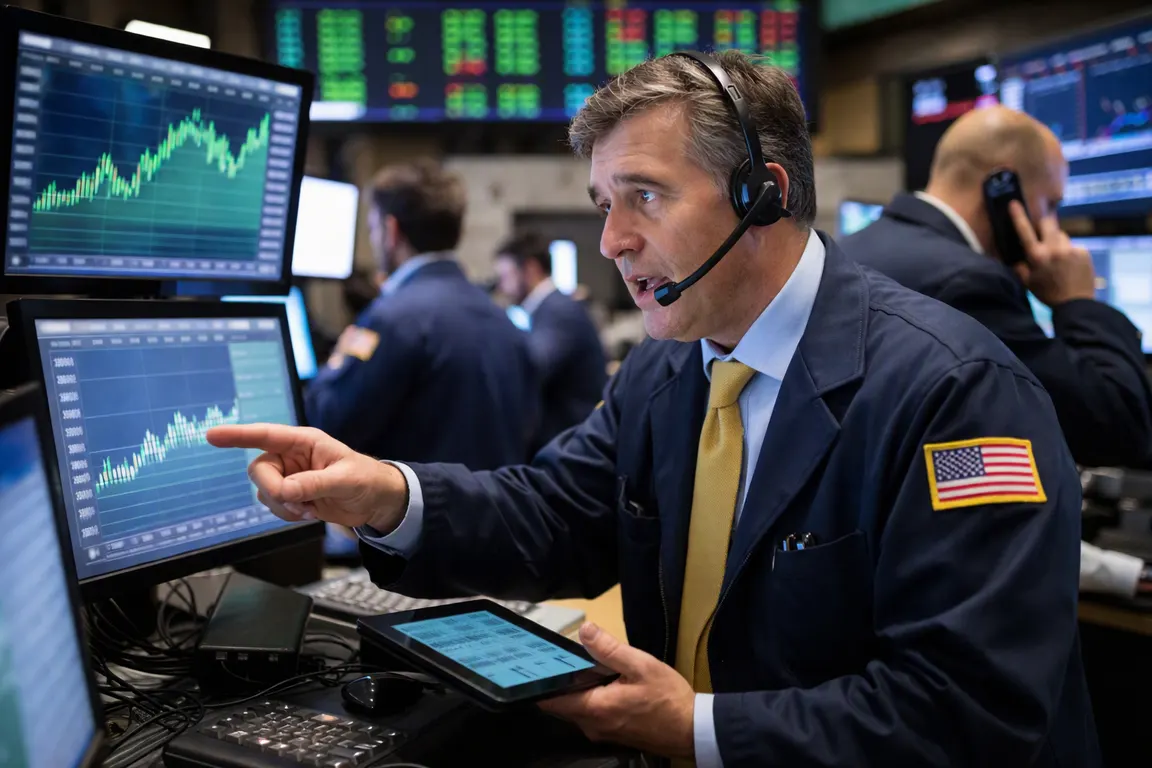
The Federal Reserve raised its policy rate by a quarter‑point on Sept. 20, marking the first increase in three years and setting the target range at 3.75‑4.00 percent. Within hours, the Nasdaq Composite jumped about three percent, while Meta Platforms saw record daily call‑option volume. This Fed rate hike Nasdaq surge reflects a mix of monetary policy, options activity and energy‑market stress.
The rally was fueled in part by the Situational Awareness fund, which re‑entered the market after rebuilding from a July 2024 collapse. The fund bought AI‑related options, notably on AMD and SK Hynix, adding a mechanical lift to the broader equity move.
At the same time, energy markets are under pressure from supply‑side shocks. VLCC tanker charter rates have risen to roughly $1.2 million a day, far above the typical $40‑100 k, as Russian‑Ukrainian tensions and heightened friction with Iran force oil shipments onto premium routes. Chicago Fed President Austan Goolsbee warned that “repeated and persistent supply‑side shocks” are becoming the new norm, keeping inflationary pressure on households already coping with higher housing and fuel costs.
Lower Treasury yields and optimism about artificial‑intelligence earnings provided a macro backdrop for the Nasdaq gain, but the surge in call buying suggests a gamma‑squeeze dynamic. Because dealer‑hedging data are not publicly disclosed, analysts cannot precisely separate the options‑driven component from broader sentiment. What is clear is that retail investors may view the spike as a sustainable trend, exposing them to volatility when the options‑driven momentum wanes.
The Dow Jones Industrial Average remains above 51,000, a nominal gain of 416 percent since 1999. Over the same period, real GDP grew about 82 percent and median household income rose roughly 19 percent, while the M2 money supply expanded by 424 percent. The top 10 percent of U.S. households now own about 88 percent of corporate‑equity wealth, compared with just 0.6 percent for the bottom half. The disparity underscores how equity‑price appreciation benefits a narrow segment of the population while most Americans face stagnant wages and rising living costs.
Energy‑intensive industries are feeling the squeeze as higher input prices threaten investment plans and employment growth. Policymakers are therefore looking beyond traditional rate hikes. The European Central Bank is testing a digital‑euro bridge to improve cross‑border payments, and the U.S. Treasury’s SWORD office is exploring stable‑coin‑linked investment vehicles, both aimed at easing financial frictions without further tightening monetary policy.
The juxtaposition of market fireworks and real‑economy strain highlights the need to distinguish mechanically‑driven price spikes from genuine growth. As the Fed’s policy stance and options activity intersect with geopolitical supply disruptions, regulators and investors will need clearer data on dealer hedging and the true elasticity of equity markets.
Going forward, close monitoring of options flow, energy‑price trajectories, and any policy adjustments will be essential. The lingering question is whether central banks can deploy new tools quickly enough to prevent a widening wealth divide from becoming a structural feature of the U.S. economy.