

Fed Raises Federal Funds Rate to 3.75‑4% Amid Presidential
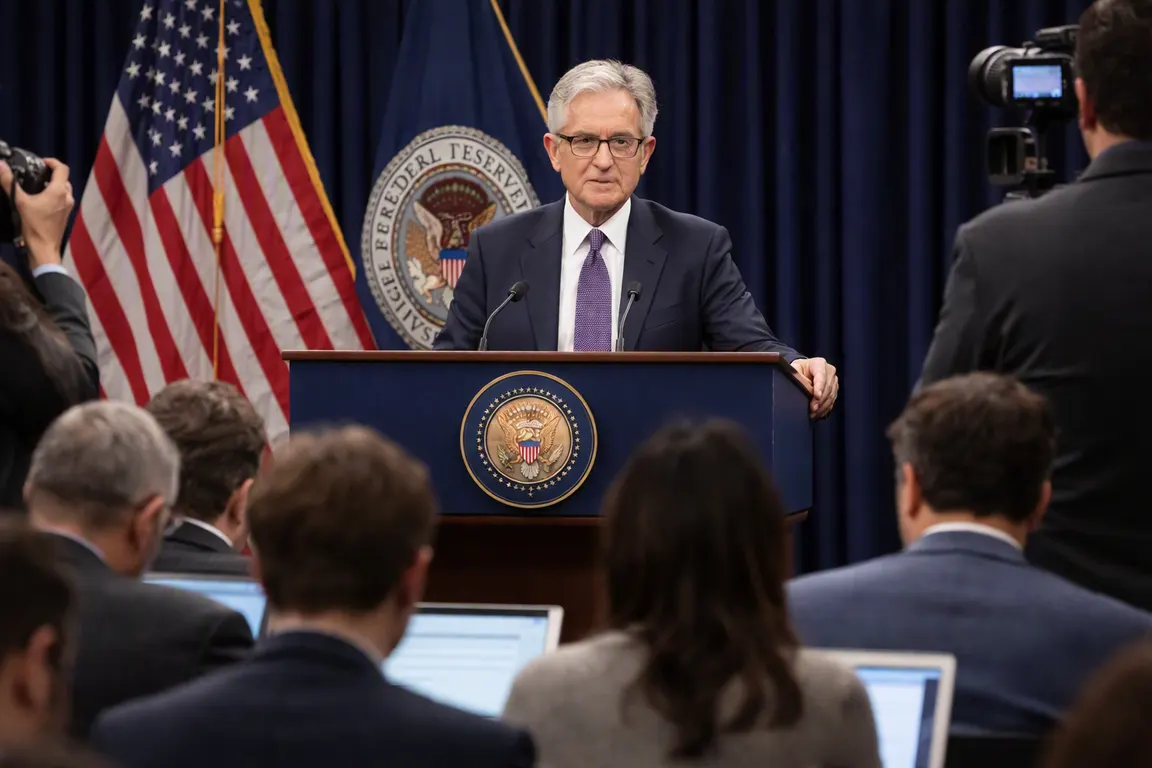
The Federal Open Market Committee voted unanimously on Wednesday to raise the federal funds rate, lifting the target range by a quarter‑point to 3.75 percent‑4 percent. This is the first increase since July 2023 and comes despite President Donald Trump's public calls for the rate to fall to 1 percent or lower.
Fed Chair Kevin Warsh, appointed by President Trump in January 2024, presided over the meeting. The committee said a modest 0.25‑point hike was needed to keep inflation on a downward trajectory and maintain price stability, though the statement did not disclose the current inflation figure.
President Trump has used his platform to demand a federal‑funds rate of 1 percent or lower and warned that higher rates could provoke trade retaliation against countries with large trade surpluses. Earlier in September, he suggested cutting off trade with surplus‑running nations if the Fed did not ease policy, a claim reported by several outlets.
Coverage highlighted a gap in public understanding. Some reports noted that Trump stopped short of naming Warsh, while others implied a direct clash between the president and the chair. None provided the Fed’s detailed economic rationale or the exact inflation number, leaving readers without full context.
Higher rates raise the cost of mortgages, auto loans and business credit, which could dampen consumer spending and investment in the coming months. A lower‑rate scenario championed by the president would make borrowing cheaper but risks reigniting price pressures if inflation remains elevated. Financial markets have already priced in the surprise, with Treasury yields edging higher and equity indices showing modest volatility as investors assess the prospect of political interference in monetary policy.
The episode underscores the structural independence built into the Federal Reserve. While the president can voice preferences, the Fed’s dual mandate to promote maximum employment and stable prices obliges it to base actions on data rather than political directives. Whether that independence will be tested further depends on future White House statements and any legislative moves that could alter the Fed’s governance.
The committee will release its next policy statement in November. Analysts will watch to see if the president’s public pressure translates into any shift in the committee’s future voting patterns.