

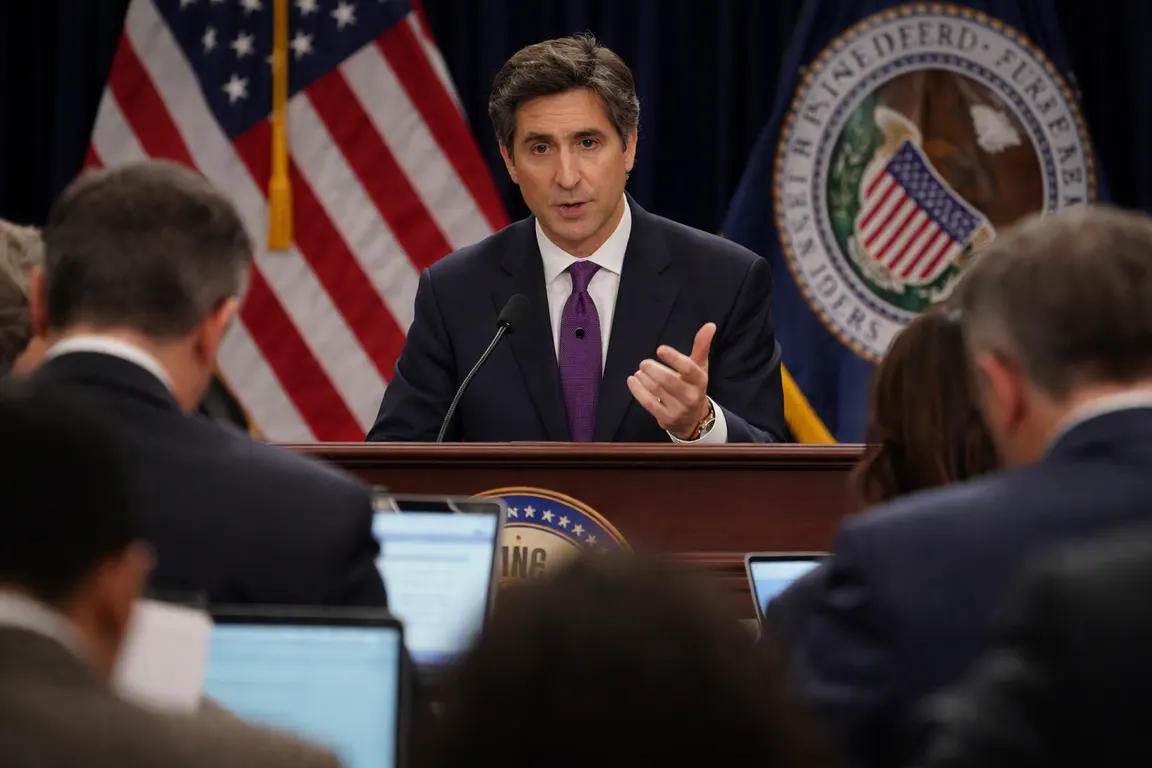
The Federal Reserve lifted its benchmark interest rate by a quarter‑point at its early‑2024 meeting, marking the first increase in three years. Chair Kevin Warsh, a Trump appointee, announced the unanimous 0.25 percentage‑point hike and cited “persistent high prices” as the reason, even as President Donald Trump publicly urged the central bank to cut rates.
The decision signals the Fed’s willingness to tighten monetary policy despite political pressure and will raise borrowing costs for households and businesses nationwide. A 25‑basis‑point rise typically pushes mortgage, auto‑loan and credit‑card rates higher, increasing monthly payments for millions of Americans.
The Federal Open Market Committee voted unanimously, underscoring the board’s view that inflation remains above the Fed’s 2 percent target. Officials described price growth as “persistent” and “too high,” though the exact inflation figure was not disclosed. The unanimity stands in contrast to President Trump’s repeated calls for rate cuts, a stance noted in reports from the BBC and Al Jazeera. NBC News highlighted Warsh’s emphasis on data‑driven reasoning and the Fed’s independence, while the American Conservative framed the hike as a necessary response to inflation that has outpaced the central bank’s tolerance.
For consumers, the immediate impact will be felt in higher loan costs. Mortgage rates, which had hovered near historic lows, are expected to climb a few tenths of a percent, raising monthly payments for new homebuyers and those seeking to refinance. Auto‑loan rates are likely to follow, squeezing vehicle‑purchase budgets, and credit‑card interest rates, already elevated, may inch higher, adding to the cost of revolving debt. Small‑business owners who rely on short‑term financing for inventory, equipment or expansion will face tighter credit conditions and higher interest expenses, potentially slowing hiring or investment plans.
Financial markets reacted quickly. Treasury yields rose as investors priced in the higher policy rate, while equity indices slipped modestly, reflecting concerns that tighter financing could dampen corporate earnings. Historically, such moves have also prompted a short‑term slowdown in price growth, giving savers a modest boost on deposit accounts while making borrowing more expensive.
Looking ahead, the Fed’s next steps remain uncertain. Warsh did not rule out further hikes, but the central bank signaled it will monitor inflation data closely before deciding on additional tightening. Analysts note that if price pressures ease, the Fed could pause to assess the impact of the current increase; if inflation proves resistant, a series of incremental hikes may be on the table.
The decision illustrates the classic tension between a central bank tasked with stabilizing prices and a president advocating for growth‑friendly borrowing costs. As the effects of the rate rise filter through mortgages, car loans and business credit lines, the broader economy will feel both the cost of higher financing and the potential benefit of slower inflation. The coming months will reveal whether the Fed’s gamble succeeds in reining in price growth without derailing the recovery, and whether future meetings will bring more hikes or a cautious pause.