

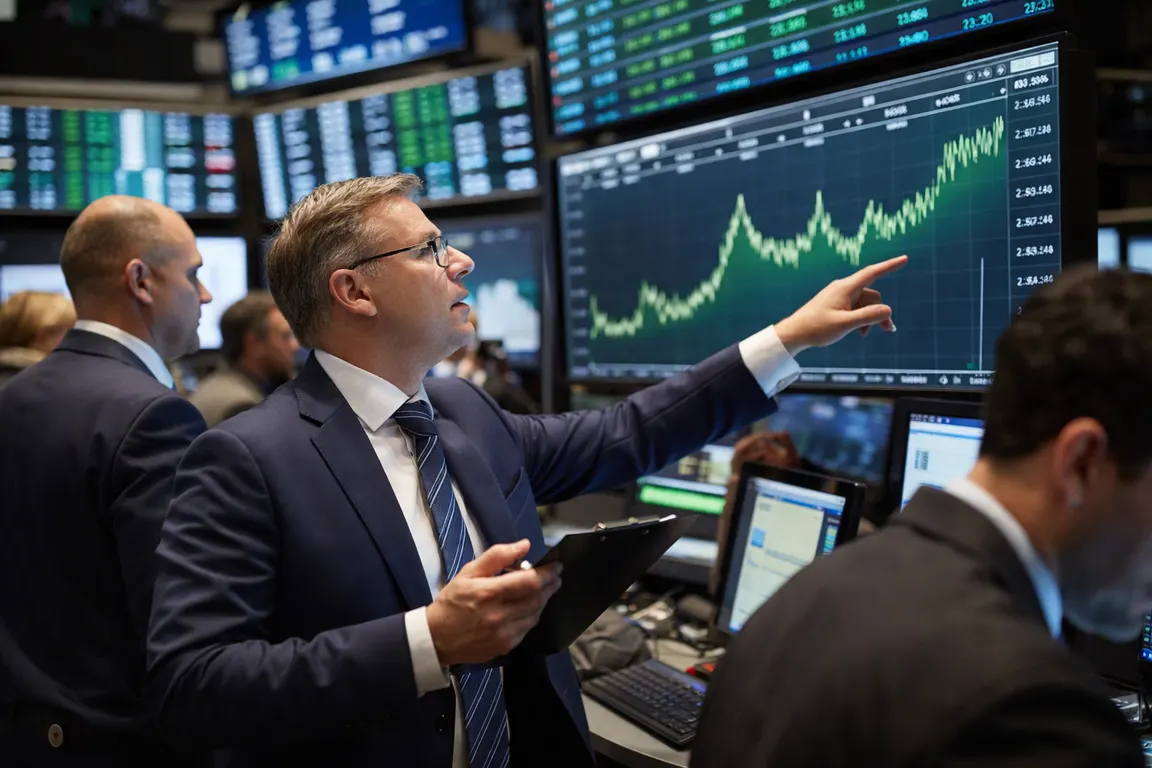
U.S. equity futures rose Tuesday after Federal Reserve Chair Kevin Warsh declined to comment on the October policy meeting while speaking at the International Monetary Fund in Bangkok. The market trimmed the Fed October rate hike odds to about 14 percent, down from the mid‑20s a week earlier, and pushed Treasury yields lower.
The shift comes as September headline CPI climbed 3.7 percent year‑over‑year, with core CPI at 2.6 percent, and the producer‑price index jumped 1.3 percent month‑over‑month – the strongest rise since March 2022. Supply‑driven spikes in energy and industrial inputs have kept inflation expectations elevated even as Fed guidance grew quieter.
Goldman Sachs now expects the Fed to pause in October and deliver a final hike in December, a view echoed by Vice‑Chair Michelle Bowman and San Francisco Fed President Mary Daly, who see no immediate urgency but have not ruled out later tightening. The reduced October‑hike odds prompted a rebalancing of rate‑sensitive portfolios: investors moved into longer‑duration bonds, pulling yields down, while equity futures climbed on the prospect of a more accommodative stance.
The AI sector, a recent market driver, showed signs of strain. CoreWeave’s five‑year credit‑default swap widened to 1,194 basis points before narrowing to 1,086 basis points after Nvidia CEO Jensen Huang defended the company’s business model. The episode highlighted higher financing costs for data‑center operators, which face tighter spreads and refinancing risk. Tesla’s unveiling of a “flying” Roadster lifted its stock about five percent and gave a brief boost to several Chinese component suppliers, but the rally faded as investors refocused on the broader AI sell‑off.
Across the Atlantic, European officials are grappling with a surge in Chinese exports of cars and AI‑related electronics, according to EU trade data. The influx has sparked discussions of import quotas that could affect auto and electronics manufacturers in the euro‑zone. Meanwhile, euro‑zone HICP held at 3.8 percent year‑over‑year in September, with core inflation at 2.5 percent, keeping the European Central Bank on track for possible December tightening.
Consumers feel the pressure, too. Gasoline prices rose 34.2 percent year‑over‑year, eroding disposable income and contributing to weaker underlying retail sales. Higher energy costs and persistent core price pressures suggest that any inflation relief may be uneven and short‑lived.
The market’s next test will be the Federal Open Market Committee meeting in mid‑December, when policymakers will weigh the cumulative impact of supply‑driven price spikes, the AI sector’s financing outlook, and the evolving trade environment with China. European officials are also expected to announce whether import quotas will be formalized. Until then, traders will watch for any shift in Fed communication and fresh data on consumer‑price dynamics, both of which could reshape the short‑term risk picture.