

EU sanctions expire as leaders push energy truce for Ukraine
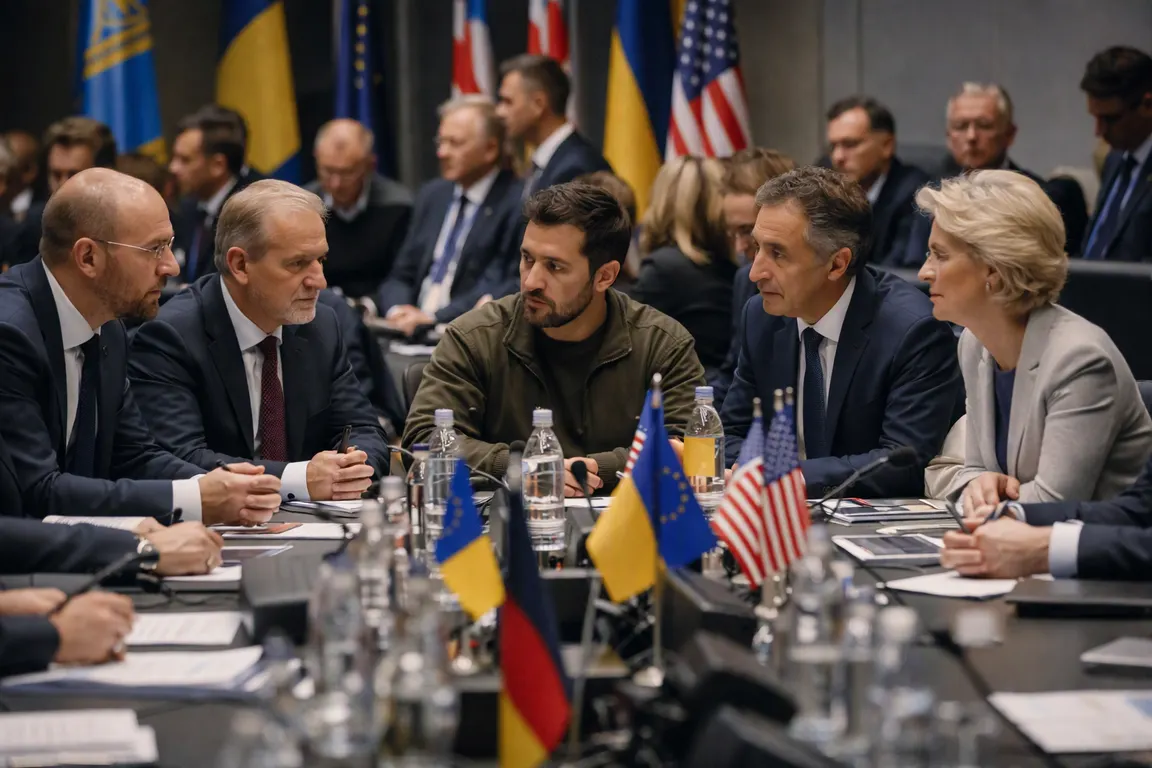
International leaders are meeting to negotiate an energy truce and a Black Sea shipping moratorium as EU sanctions on nearly 3,000 Russian‑linked firms lapse at midnight. The talks come amid a surge in Russian strikes on Ukraine’s power grid that threaten to leave millions without heating as winter deepens.
The convergence of three time‑sensitive factors – the imminent expiry of EU sanctions, intensified attacks on Ukraine’s energy infrastructure, and high‑level diplomatic engagement between France, the United States and Kyiv – creates a narrow window for action that could affect Ukrainian civilians, European energy prices and global diesel markets.
EU officials confirmed that sanctions covering almost 3,000 entities accused of supporting Russia’s war effort are set to expire at day‑end, reopening financial channels for those firms unless member states reach a new consensus (The Guardian). At the same time, French President Emmanuel Macron and Ukrainian President Volodymyr Zelenskyy met to discuss the latest Russian attacks on Ukraine’s electricity and heating networks, which have already forced temporary blackouts in several regions. Macron announced that France will reinforce Ukraine’s air‑defence with a contract for long‑range radars and a supply of Patriot‑compatible interceptors, a commitment aimed at protecting critical infrastructure.
U.S. President Donald Trump told reporters that Russia has “lost control” of its diesel oil industry because of the war and urged Kyiv to accept an “energy truce” that would halt attacks on energy facilities (Top News and Analysis). Trump and Macron have reportedly agreed to discuss both an energy truce and a moratorium on Black Sea energy shipments, a move that could curb the flow of oil and diesel through a route that supplies Europe and the Middle East (The Guardian; Independent). Shortly after Trump’s remarks, Zelensky travelled to New York, where he met senior U.S. officials and addressed the United Nations, underscoring the urgency of securing winter energy supplies (Independent).
No formal agreement on the truce or the Black Sea moratorium has been announced. EU members remain deadlocked over how to adjust the sanctions regime, with some states demanding tighter controls while others caution against further economic disruption (The Guardian). The lack of concrete terms – such as verification mechanisms, timelines or enforcement procedures – leaves the proposed truce largely speculative.
For Ukrainians, the stakes are immediate. Continued Russian strikes could plunge additional cities into darkness, forcing households to rely on costly generators or face prolonged heating shortages. A successful truce would protect civilians and help stabilize regional energy markets. Analysts note that a credible pause in attacks could temper recent volatility in global diesel prices, which have risen on expectations of reduced Russian output (Top News and Analysis). French defence contracts represent a tangible market impact for European arms manufacturers, while a Black Sea moratorium would reroute oil, gas and grain shipments, potentially reshaping commodity flows across the continent.
The next critical step is the EU’s decision on whether to extend or replace the expiring sanctions before midnight. Parallel diplomatic channels in Paris and Washington are expected to keep pressing Kyiv for a concrete energy‑truce framework. Until a binding agreement is reached, Ukrainian power grids remain vulnerable, European energy markets stay unsettled, and the broader question of how to enforce any future moratorium on Black Sea shipments remains unanswered.