

Brussels announced on Oct. 12 that a safeguard measure, the EU Chinese hybrid car quota, will limit Chinese hybrid‑vehicle imports to 350,000 units in its first year, with a 6% increase each year thereafter. The quota takes effect Dec. 1, 2026, as China’s domestic passenger‑car market slides sharply, forcing manufacturers to rely on overseas shipments that now face a hard cap.
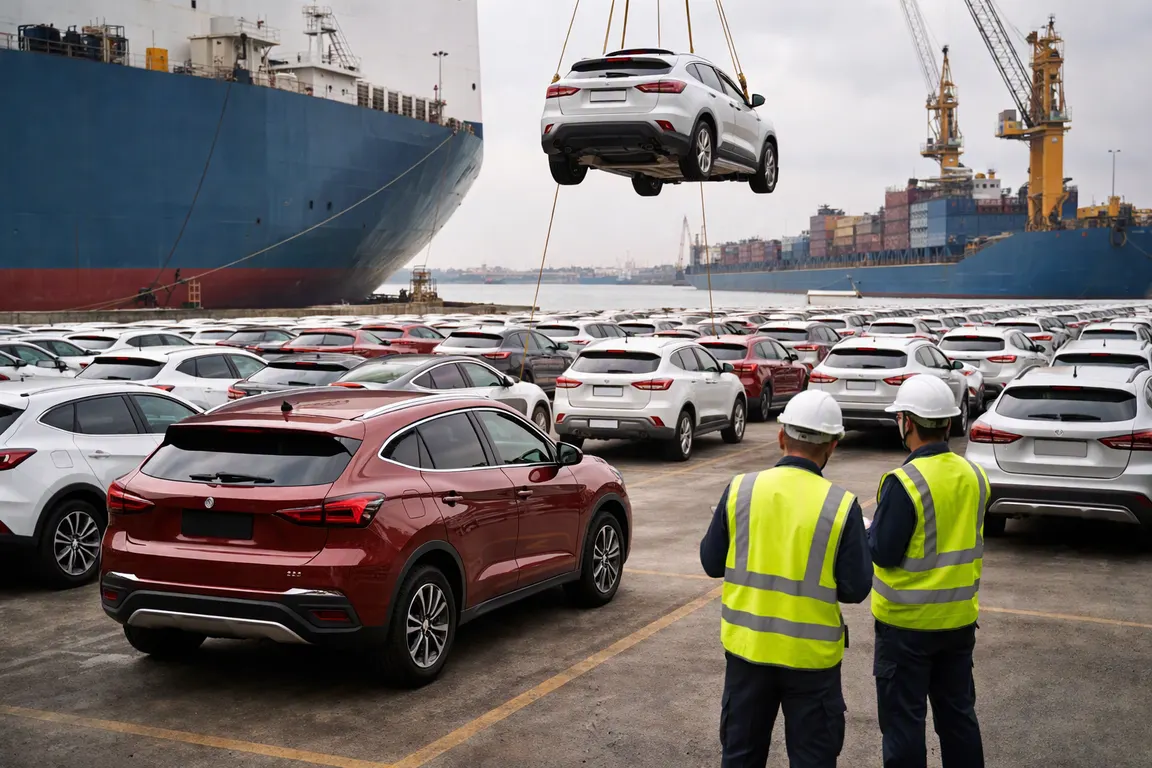
China’s September retail sales fell 28% year‑on‑year to 1.62 million vehicles, the 12th consecutive monthly decline, according to the China Passenger Car Association. New‑energy vehicles – electric cars and plug‑in hybrids – still accounted for 67% of those sales but dropped 17% to 1.08 million units. Export shipments, by contrast, rose 73.7% to 917,000 units, representing roughly 36% of total sales and approaching 70% for some firms. The EU safeguard could cut that export channel in half, reducing Chinese market share in Europe to about 3%.
Analysts cited by The Guardian estimate that shipments of hybrid models to Europe could fall from the current run‑rate of roughly 650,000 units to about half that level under the quota. A reduced presence in Europe would likely depress profit margins and could slow production lines that have been running near full capacity to meet export orders. Chinese dealers, already facing inventory risk, may be forced to renegotiate financing terms with manufacturers.
Lithium‑battery producers felt an immediate ripple. The most‑active lithium contract on the Guangzhou Futures Exchange dropped about 10% after the EU announcement, closing at 104,740 yuan per tonne. The price slide reflects concerns that a key demand driver – hybrid‑vehicle exports – will be curtailed just as China’s lithium‑futures market grapples with weaker EV demand and growing inventories. Lower battery orders could tighten revenue streams for Chinese miners and pack assemblers, potentially delaying new projects and affecting employment in mining regions.
European carmakers stand to gain from reduced competition. Chinese hybrids have been priced aggressively, eroding market share for established European brands. With the quota in place, those brands may see a modest recovery in sales of their own hybrid and mild‑hybrid models. However, the restriction also introduces uncertainty: manufacturers that have sourced components from Chinese suppliers may need to re‑tool supply chains, and any abrupt shift in pricing could affect consumer affordability.
The safeguard is set for four years, giving both sides a window to adjust. Chinese firms are reportedly exploring alternative markets in Southeast Asia and Latin America, while some dealers are diversifying inventories toward domestic models that qualify for government subsidies. EU officials have not ruled out tightening the cap after the initial period, leaving the long‑term outlook for Chinese exports unclear.
The next step is the formal activation of the safeguard on Dec. 1, 2026. Stakeholders on both continents will watch how quickly export volumes respond and whether lithium‑price pressures persist. The outcome will test whether Europe’s policy can reshape the competitive balance without sparking a broader trade dispute.