

Cuba’s power grid collapsed for a third consecutive day on Sept. 19, marking the island’s sixth major blackout since the United States tightened its energy embargo in January. The Cuba fuel blackout highlights a growing humanitarian and economic crisis as imported fuel shortages cripple essential services.
Only about 30 percent of Cuba’s population is normally connected to the grid; prolonged outages threaten public health, food security and an already fragile economy, officials said.
Cuba’s electricity system depends heavily on imported oil. Before the embargo, roughly 61 percent of its fuel came from Venezuela, with additional shipments from Mexico and occasional deliveries from Russia. Since the United States halted Venezuelan oil shipments in January, Mexican supplies have been scaled back and then stopped, and Russia has sent only a single tanker this year, according to monitoring sources. A “shadow fleet” of tankers moving Iranian oil to Cuba has been documented, but the U.S. blockade of the Strait of Hormuz has limited those shipments as well. The net result is a sharp reduction in fuel available for power generation.
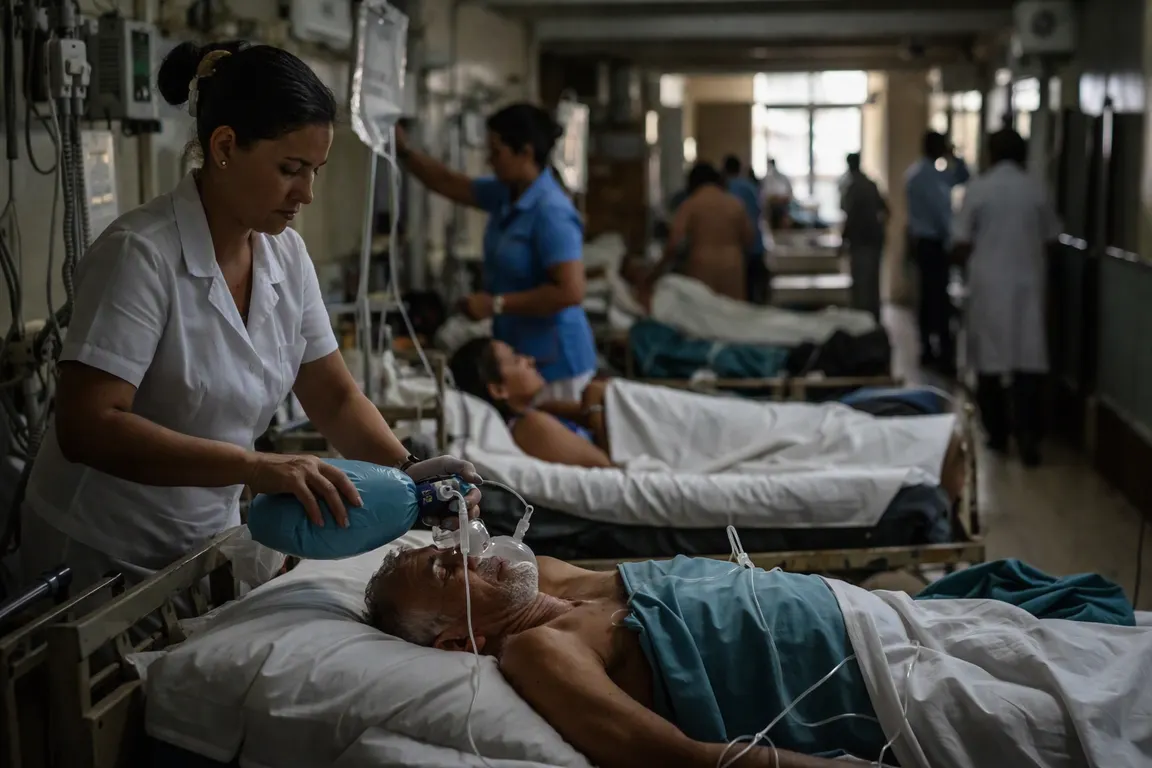
In Havana, electricity availability fell from about four hours per day in early 2026 to roughly 18 hours after the fuel cutoff, and some provinces have endured 60 to 90 hours without power. Residents describe intermittent service; a 23‑year‑old neighbor recounted a 24‑hour blackout followed by a brief hour of electricity before the lights went out again. Hospitals are running on backup generators, but limited fuel threatens their ability to maintain critical care. Food stores report spoilage, and schools have suspended classes, adding strain to families.
Cuban officials acknowledge the crisis. Felix Estrada of the National Electrical Union said protocols are in place for a gradual restoration of the grid, though he offered no timeline. The government’s capacity to import fuel remains constrained by the embargo and the uncertain reliability of the clandestine “shadow fleet.” While Russia’s single tanker arrival provides a modest boost, the volume is insufficient to stabilize the grid.
The blackout also puts pressure on Cuba’s remaining allies—Russia, Iran and Venezuela—to increase oil deliveries, each facing its own geopolitical constraints. In Washington, the situation has revived debate over the humanitarian impact of the energy embargo, with some lawmakers calling for a review of the policy.
As power slowly returns to hospitals in Havana, the island faces an uncertain path forward. Diplomatic talks over fuel shipments and possible adjustments to the embargo are likely, but no concrete plan has emerged. Meanwhile, Cuban citizens continue to cope with daily outages that jeopardize health, food safety and economic activity, leaving the question of when the lights will stay on unresolved.