

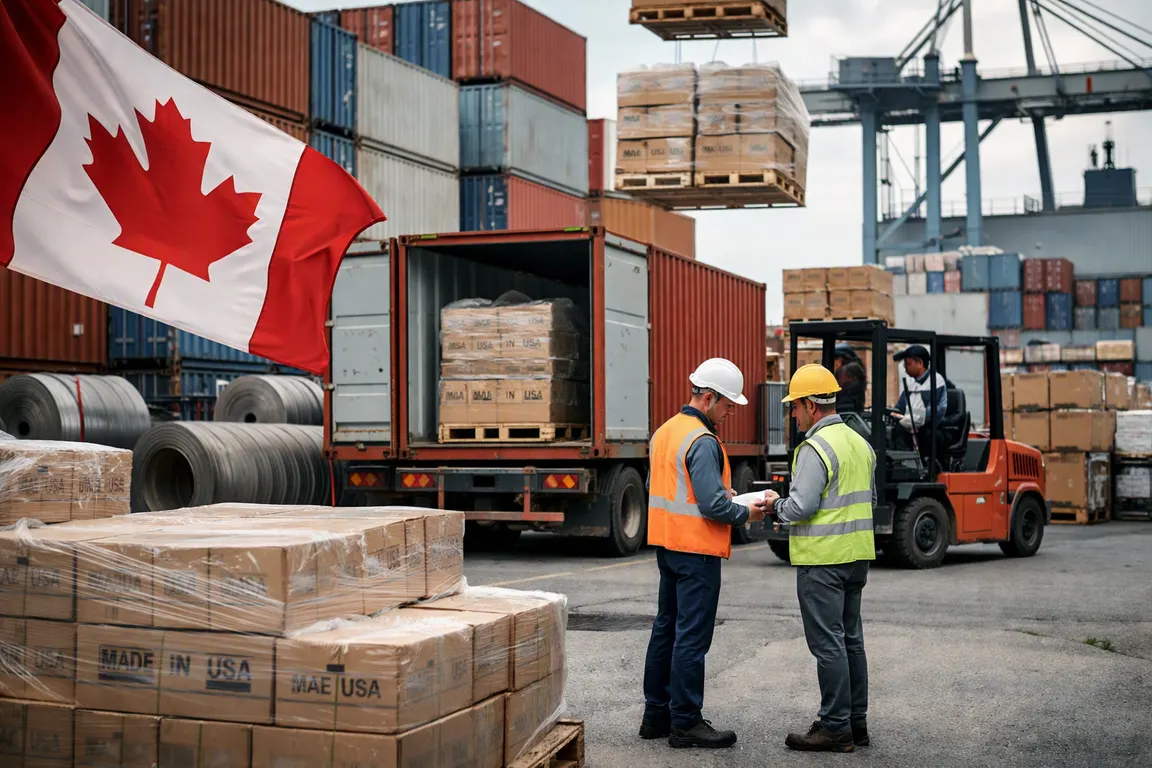
Ottawa announced early April that it will levy duties of 15% to 50% on about $20 billion of U.S. imports, the largest escalation in the 2024 trade dispute between the two countries. The move, known as Canada tariffs on U.S. goods, targets steel, aluminum, a range of food items, motorcycles and other consumer goods to pressure Washington into a revised agreement while shielding domestic producers.
The tariffs follow the collapse of trade talks in mid‑March when President Donald Trump unveiled a new round of duties on Canadian products. Canada’s negotiators left Washington without securing concessions that would have softened Trump’s pending measures. The government released a list of more than 100 affected products and set rates by sector: 15% on many food items, 25% on certain consumer goods and up to 50% on steel, aluminum and select high‑value items such as motorcycles. The package represents roughly $20 billion of annual U.S. exports to Canada.
For Canadian shoppers, the most visible impact will be higher prices on everyday imports. Analysts expect grocery bills to rise as duties on dairy, meat and processed foods take effect. Retailers of American‑made motorcycles and specialty consumer products are likely to pass the added cost onto buyers. Canadian manufacturers that compete with U.S. firms in these categories could see a short‑term boost in market share, though they may also face higher input costs if tariffs on raw steel and aluminum raise domestic supply prices.
U.S. exporters now face a new barrier that could erode competitiveness. Companies that previously relied on the Canadian market may redirect shipments to other destinations, but the abrupt shift could strain logistics and inventory plans. Industry groups estimate that the 15%‑50% duties could cut profit margins by several percentage points, especially for lower‑priced consumer goods.
The broader economic stakes extend beyond individual sectors. Ontario’s automotive supply chain, which depends on a seamless flow of parts across the border, could experience delays and higher costs as manufacturers adjust to the new regime. Provinces with strong agricultural export ties to the United States may also feel pressure if American buyers seek alternative sources to avoid the added duties.
Ottawa has not set an expiration date for the tariffs; the package is framed as a direct counter‑measure and a bargaining chip in future negotiations. Diplomatic channels remain open, and senior officials from both governments have signaled a willingness to resume talks, though no timeline has been announced. Analysts caution that the escalation could invite further retaliatory steps if either side deems the measures insufficient, potentially widening the dispute into additional product categories.
The next step is the filing of the duties with Canada’s customs authority, expected within days. Businesses on both sides of the border are now assessing price adjustments, supply‑chain reconfigurations and the likelihood of additional policy moves. As the two nations navigate this heightened trade tension, the balance between protecting domestic interests and preserving a functional North‑American market will shape the economic landscape for months to come.