

Canada imposes $20‑$27.6 B counter‑tariffs on U.S. goods
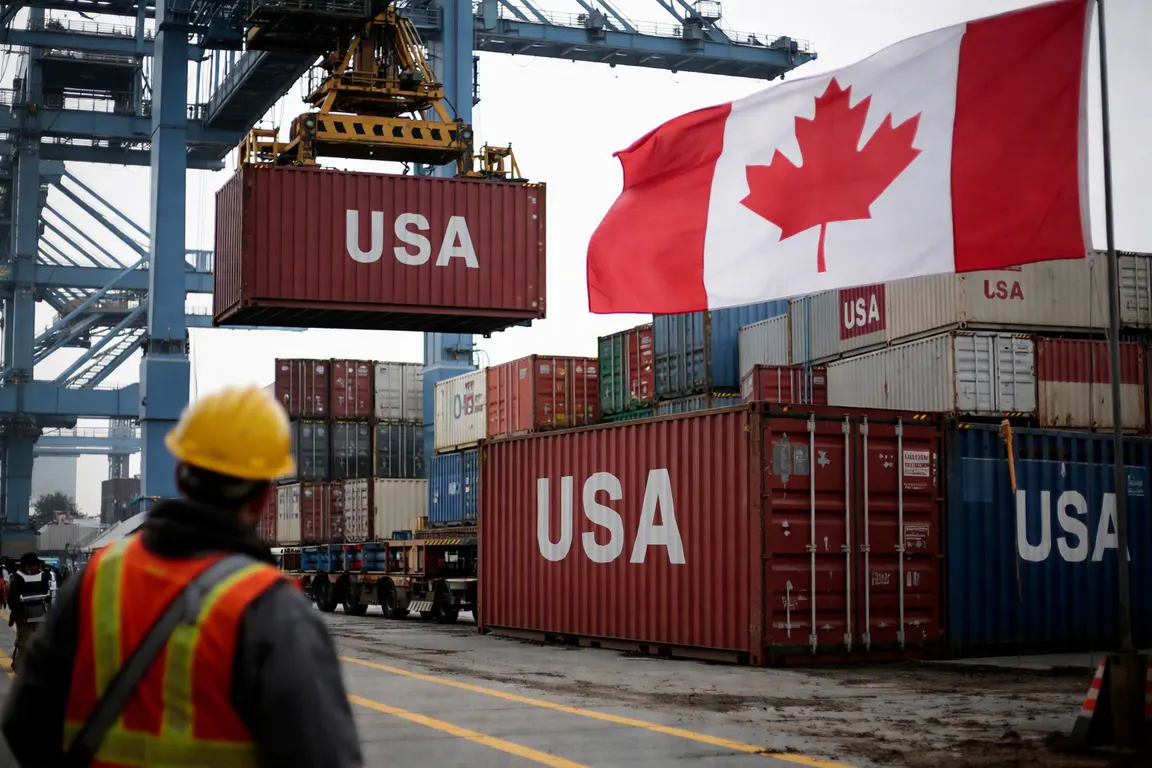
Ottawa announced that duties on about 700 Canadian‑imported products are now in force, marking the most extensive set of retaliatory measures since the 2018 softwood‑lumber dispute. The move, known as Canada counter tariffs on US goods, matches the United States' earlier tariffs on Canadian steel and aluminum.
The new duties range from 15% to 50% depending on the product category and cover an estimated $20 billion to $27.6 billion worth of U.S. exports, according to media reports. By imposing a “dollar‑for‑dollar” response, Canada signals it will not tolerate unilateral trade actions while bilateral talks remain stalled.
The highest rate, 50%, applies to steel and aluminum, while lower rates affect furniture, clothing, electronics and other consumer items. Canadian manufacturers that rely on U.S. metal inputs are likely to face higher production costs, which could be passed on to downstream buyers. For U.S. exporters, the duties create an immediate barrier to market access and could shrink revenue streams for firms that previously enjoyed duty‑free status.
The monetary scope of the measures varies. The New York Post cites $20 billion in affected imports, while International Top News reports $27.6 billion. The discrepancy reflects different accounting methods—whether the value includes only the listed goods or a broader estimate of related supply‑chain activity. No official breakdown of the 700 products has been released, leaving analysts to piece together the impact from sector‑level data.
Higher tariffs on steel and aluminum are expected to raise the price of automobiles, appliances and construction materials. Duties on furniture and electronics could add a few dollars to everyday purchases. The extent of price transmission will depend on market competition and the ability of Canadian firms to absorb costs.
Employment implications remain uncertain. Sectors that depend on cross‑border logistics—transport, warehousing and retail—could see reduced volumes if firms scale back imports. The government has not provided estimates of job losses, and industry groups caution against drawing definitive conclusions at this early stage.
The retaliation follows the United States' increased tariffs on Canadian steel and aluminum earlier this year. Ottawa responded with the current counter‑tariffs in March, and trade talks stalled shortly thereafter. With the duties now active, any resumption of negotiations will have to address the tariff list and the underlying pricing dispute.
Looking ahead, the tariffs could be rolled back if both sides reach a new agreement, but no timeline has been set, suggesting they may remain in place for the foreseeable future. Analysts note that Canada’s approach mirrors past trade responses, using matching duties as leverage to bring parties back to the negotiating table.
The next step will be to monitor how U.S. exporters adjust their strategies and whether Canadian policymakers provide further guidance on the duration of the measures. Until then, the “dollar‑for‑dollar” retaliation adds a new layer of uncertainty to the world’s largest bilateral trade relationship.