

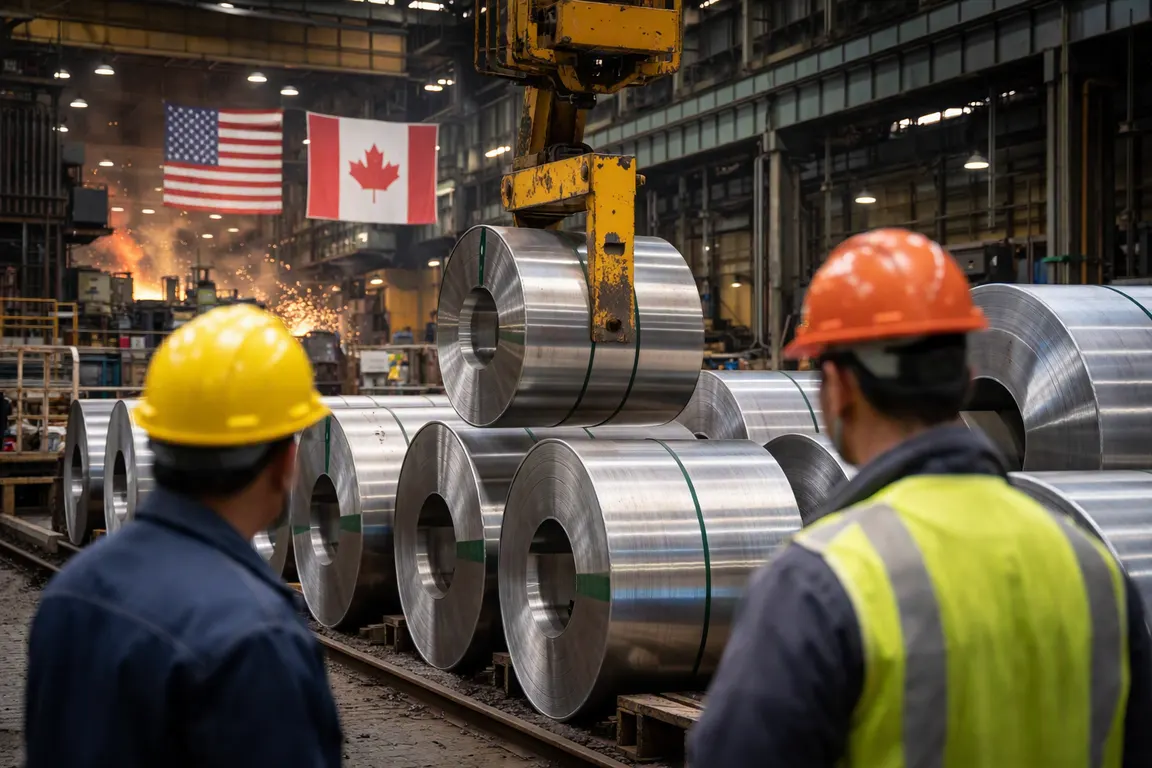
Effective Sept. 8, Canada 50% tariffs will be levied on roughly 700 U.S. products worth an estimated $20 billion. The highest rates target steel and aluminum, doubling the duties that were already in place, and the schedule also covers automotive parts, dairy, furniture and a range of consumer items.
The tariffs represent the steepest escalation in the U.S.–Canada trade dispute since the United States‑Mexico‑Canada Agreement (USMCA) was renegotiated. By hitting goods that feed both industrial manufacturers and everyday consumers, the measures are expected to raise input costs for Canadian firms and lift retail prices for households, while adding pressure on negotiators to resolve a stalled USMCA round before the next election cycle.
Canada announced the schedule on Aug. 25. A 50% rate applies to all steel and aluminum imports from the United States, effectively doubling the existing duty. A 25% rate covers automotive components and other high‑value goods, and a 15% rate applies to a broader list that includes dairy, furniture and certain consumer electronics. The affected imports represent about 5.5% of the $272 billion in goods Canada buys from its southern neighbor each year.
U.S. manufacturers are already feeling the impact. Midwest steel producers, which exported roughly $3 billion to Canada last year, now face a tariff that could add up to $1.5 billion in duties. Aluminum suppliers and auto‑parts makers anticipate similar cost spikes. Industry groups warn that higher export prices may push Canadian buyers toward alternative suppliers, potentially shrinking market share for U.S. firms and prompting price hikes for Canadian construction projects, vehicle assembly lines and food‑processing plants.
Canadian businesses that rely on U.S. inputs are also bracing for cost pressure. Construction firms that use imported steel for high‑rise projects expect input‑cost inflation that could be passed on to homeowners and developers. Auto assemblers, which have enjoyed a quota‑free pathway for Canadian‑built cars, now face a 25% duty on imported parts, a factor that could erode profit margins unless manufacturers shift sourcing or absorb the costs.
Prime Minister Justin Trudeau pledged a “dollar‑for‑dollar” retaliation and warned Canadians of higher prices. Polling by Angus Reid shows three‑quarters of respondents support the tariffs, though two‑fifths express concern about job losses. In swing states such as Michigan and Ohio, where steel and auto plants employ thousands, the tariffs are likely to become a talking point in upcoming elections, adding pressure on U.S. lawmakers to defend domestic industries.
Both governments say the tariffs are leverage in the pending USMCA renegotiations. The United States has kept its 50% duties on Canadian steel and aluminum and a 25% duty on autos, while Canada maintains its 25% auto tariff but leaves a quota‑free route for Canadian‑built vehicles. Analysts suggest the heightened stakes could force concessions on market‑access rules, but the path forward remains uncertain.
Companies are already exploring mitigation strategies. Some U.S. exporters are shifting production to Mexico to avoid Canadian duties, while Canadian firms are stockpiling critical inputs ahead of the Sept. 8 start date. Others are negotiating longer‑term contracts that lock in pre‑tariff pricing.
The tariffs take effect on Sept. 8, and businesses on both sides of the border will begin adjusting supply chains immediately. Whether the measures spur a rapid USMCA breakthrough or deepen the trade rift will depend on how quickly price pressures translate into political pressure in Washington and Ottawa.