

Brent crude hits $100 as US‑Iran clash escalates in Hormuz
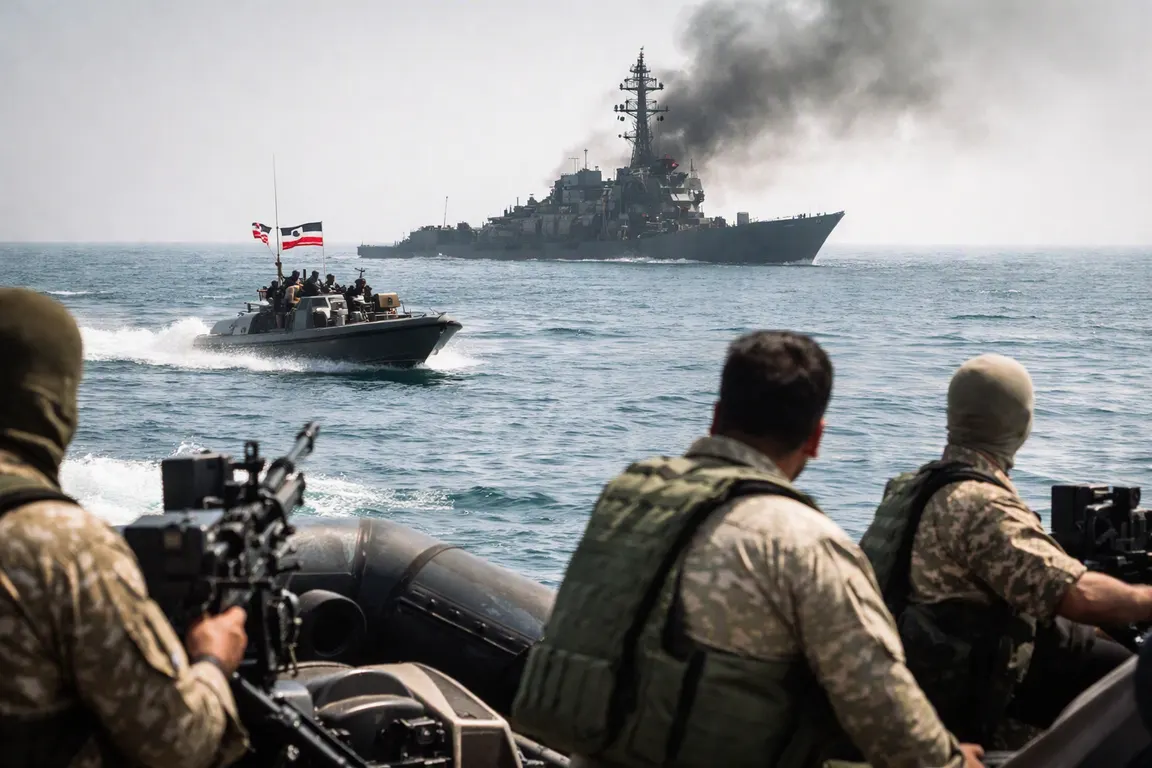
U.S. Central Command said on Sept. 8 that U.S. forces destroyed five Iranian oil tankers after the Islamic Revolutionary Guard Corps fired ballistic missiles at a U.S. Navy warship in the Strait of Hormuz. Iran’s state television later reported missile strikes on a U.S. base in Jordan and warned commercial vessels near Bahrain and Kuwait that they could become targets.
Brent crude $100 settled at $100.83 in European trading on Sept. 9, the first triple‑digit price since July. The jump is already feeding into gasoline and food costs, tightening financial markets ahead of the U.S. mid‑term elections and prompting policymakers in Washington, Europe and the Gulf to consider diplomatic or fiscal responses.
U.S. Treasury Secretary Scott Bessent announced an expanded long‑end Treasury buy‑back program on the morning of Sept. 9, citing concerns that rising yields could compound inflationary pressure from climbing oil prices. Futures reflected the shock: Brent futures rose about 1.5%, WTI traded above $95, and the 10‑year Treasury yield climbed to 4.81%.
Analysts at UBS and Goldman Sachs warned that a diplomatic “off‑ramp” remains elusive. Both firms project Brent could reach $120 a barrel if Gulf output stays roughly 4 million barrels per day below pre‑conflict levels. The outlook is reinforced by European natural‑gas futures, now at three‑year highs, and a Euro‑dollar index slipping toward a seven‑month low.
The market reaction translates into everyday impacts. U.S. and European drivers can expect higher pump prices, while food processors face rising input costs that could push grocery prices higher. Shipping firms are reassessing Gulf routes, citing higher insurance premiums and the risk of further missile activity. Energy‑sector investors have logged short‑term earnings gains, but volatility remains high as the conflict’s trajectory is uncertain.
Reporting on the naval engagement remains inconsistent. The Guardian cited five Iranian tankers sunk; Al Jazeera mentioned a single vessel. Details of Jordan’s missile interceptions also vary, underscoring the difficulty of confirming operational data in real time.
The next diplomatic step is an emergency U.N. Security Council meeting called by Secretary‑General António Guterres. Both the United States and Iran have signaled a willingness to explore de‑escalation channels, but no concrete proposals have emerged. Markets will watch for any indication of a cease‑fire or negotiated settlement, which could blunt the inflationary shock and stabilize oil and financial markets.