

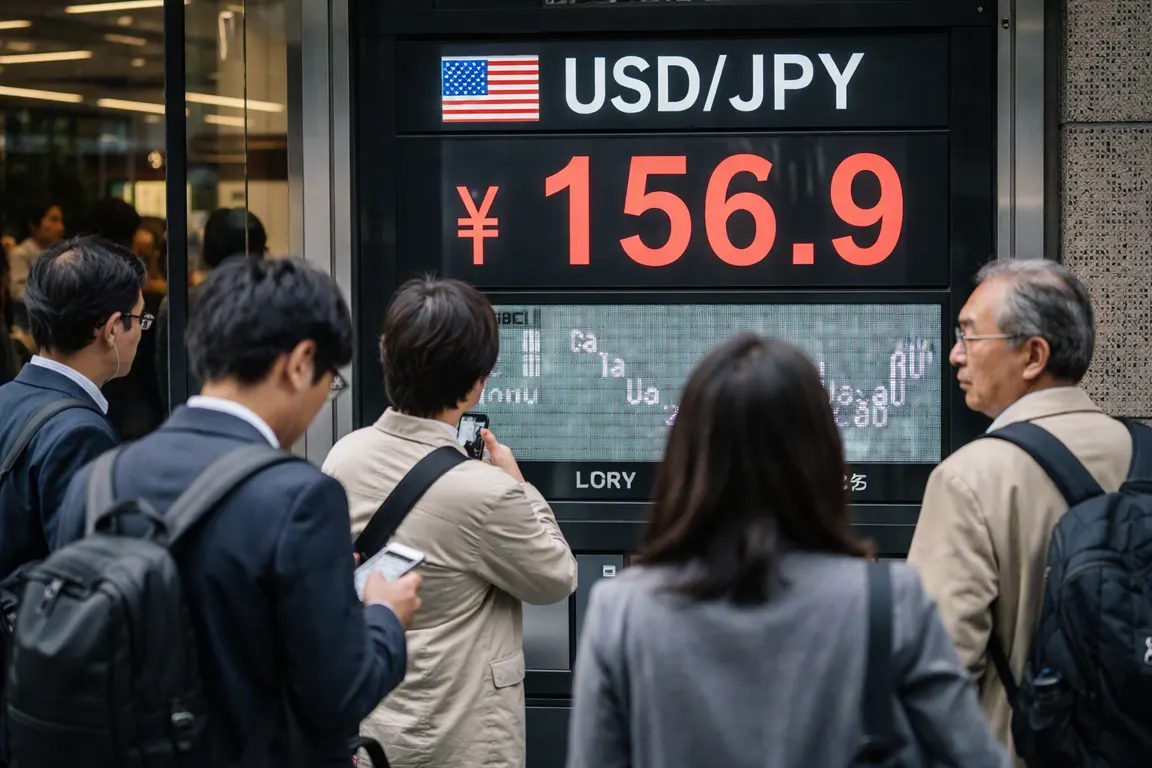
Tokyo — The Bank of Japan announced a BOJ rate hike on March 19, raising its benchmark interest rate by a quarter‑point to 1.25 percent, the highest level since 1993. The 7‑2 vote ended a 31‑year policy of near‑zero rates and sent the yen to ¥156.90 per U.S. dollar, breaking the ¥156 barrier for the first time in decades.
Governor Kazuo Ueda said the hike was needed to anchor inflation expectations as core‑price growth shows signs of accelerating. Recent data indicated that Japan’s core‑inflation rate is edging upward, prompting the central bank to abandon the zero‑interest framework that has defined the economy for three decades.
Board members Toichiro Asada and Ayano Sato voted against the move, warning that tighter policy could strain household finances and slow the fragile recovery. Their dissent highlights an internal split over how aggressively the BOJ should respond to emerging price pressures.
The rate increase immediately impacted markets. The dollar rose from ¥156.14 to ¥156.90 within minutes, marking the yen’s weakest level in modern history. A weaker yen raises the cost of imported food, fuel and consumer goods, squeezing disposable income for Japanese households. At the same time, higher borrowing costs will affect mortgages and personal loans.
Export‑oriented firms may benefit from a more competitive price abroad, but they also face greater foreign‑exchange volatility that could erode margins if the yen rebounds. Global investors are adjusting carry‑trade positions that have long relied on the yen’s ultra‑low yields. With the BOJ’s shift, the yen is less attractive as a funding currency, prompting a move toward higher‑yielding assets and a possible re‑pricing of risk in emerging‑market currencies that have been paired with the yen.
The decision follows a short‑run buildup of inflation data in early March that showed price growth above the BOJ’s 2 percent target. While the central bank did not announce any accompanying fiscal measures, officials said future moves will depend on the pace of inflation and wage growth.
Economists expect the BOJ to watch upcoming consumer‑price reports closely. If inflation stays above target, a second hike later in the year is possible, though some board members caution against tightening too quickly. The yen’s path will also be influenced by U.S. monetary policy and global commodity prices, leaving the ultimate impact on everyday costs and trade balances uncertain.