

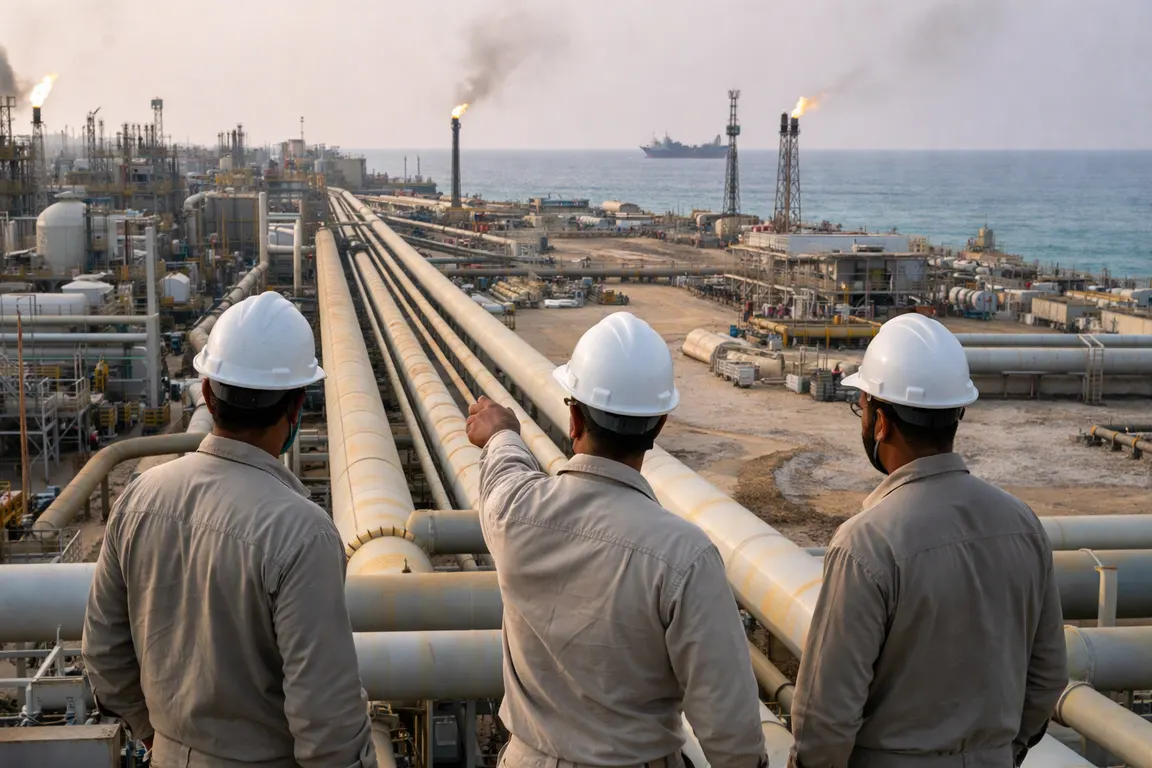
Saudi Aramco told three Asian refiners on Sept. 22 that crude loading at its Yanbu terminal could resume within days, hinting at a Red Sea pipeline restart. The notice follows a Sept. 10 drone strike that disabled a key pumping station on the East‑West Red Sea pipeline, which normally moves about 4 million barrels per day of Saudi crude around the Strait of Hormuz.
The same day, Japanese‑cited Iranian officials said Tehran would reopen the Hormuz Strait within a week if the United States lifted its naval pressure. Iran’s semi‑official Fars News Agency quickly called the claim “invalid and incorrect,” leaving its credibility in doubt.
Both narratives affect short‑term supply expectations for Asian refiners. Brent crude slipped below $100 a barrel after the Iranian statement, then edged back above $101 as traders weighed the competing possibilities. Treasury 10‑year yields fell to 4.93 percent as investors priced in reduced energy‑price risk.
Aramco’s informal “could soon resume” notice does not include a firm timetable, but the company has dispatched repair crews and is testing the damaged station. Vessels waiting at Yanbu are now stranded or being rerouted through Ras Tanura and the Hormuz corridor, creating missed loading windows for Chinese, Indian and Southeast Asian refiners. If loading restarts this week, the flow could ease inventory shortfalls that have pressured gasoline and diesel stocks in the region.
Iranian officials, reported by Kyodo and Reuters, suggested a diplomatic opening: Tehran would lift the Hormuz blockade if Washington eased its naval presence and lifted port sanctions. Fars News rejected the story as inaccurate, so the market’s reaction to the Hormuz angle may be short‑lived. Analysts note that without a verifiable policy shift from Tehran, the price impact is likely temporary.
Barclays analyst Amarpreet Singh warned that if disruptions persist, Brent could need to rise sharply to rebalance supply and demand, projecting $95 a barrel by the fourth quarter of 2026. The warning underscores how fragile the current supply‑demand equation is for Asian importers that rely on steady Saudi shipments.
The mixed signals are also influencing broader market sentiment. Treasury yields dipped as investors adjusted risk premia, while oil futures remained flat ahead of President Trump’s United Nations address, reflecting a cautious stance.
The next steps hinge on two developments. First, Aramco must confirm that the repaired pumping station can handle full‑capacity flow and provide a concrete loading schedule to its Asian customers. Second, any official statement from Tehran or a visible change in U.S. naval posture would be needed to validate the Hormuz reopening claim. Until then, Asian refiners will continue to navigate uncertain supply routes, and oil markets are likely to stay volatile as traders assess the competing roadmaps for the Red Sea corridor.