

Aramco studies new export routes amid Iran’s Indian Ocean
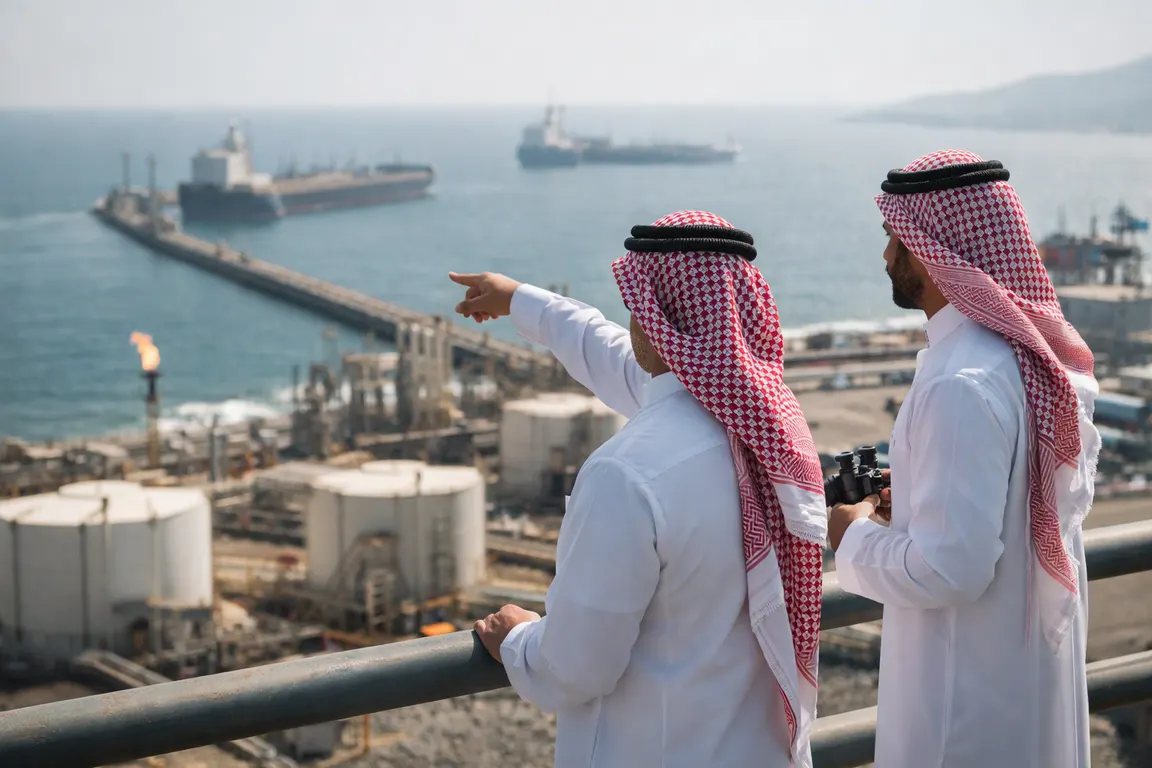
Iran warned on Sept. 24 that it could strike targets in the Indian Ocean if the United States or Israel resume attacks on Tehran. The remark, made by Yahya Rahim Safavi, an adviser to Iran’s Supreme Leader, sent Brent crude futures up to about $106 a barrel within minutes, according to Bloomberg.
Within the same briefing, Saudi Aramco chief executive Amin Nasser said the company is conducting feasibility studies for a fourth and fifth crude‑export corridor, though he did not disclose where the routes might run. The move reflects growing concerns that the Strait of Hormuz – through which roughly 20% of the world’s oil passes – is becoming increasingly vulnerable.
Recent security incidents underscore that risk. Drone attacks on the East‑West pipeline earlier in September and the interception of six Houthi‑launched ballistic missiles on Sept. 23 highlighted the growing threat to Gulf oil flows. U.S. Treasury Secretary Scott Bessent warned on Sept. 1 that the Hormuz chokepoint could become “worthless” for oil transport within two years if security does not improve.
Aramco’s current export network relies on three corridors: the Hormuz route, the East‑West pipeline that delivers oil to the Red Sea, and the northward path through Egypt’s Sumed pipeline to the Mediterranean. The new corridors under study would bypass Hormuz entirely, potentially using overland pipelines or deep‑water terminals on the Arabian Sea coast. While the exact routes remain unconfirmed, the company’s willingness to explore them signals a strategic shift aimed at reducing Iran’s leverage over global oil flows.
The market reacted quickly. Oil prices spiked, raising fuel costs for consumers worldwide. Higher transport and manufacturing input costs could squeeze profit margins, while inflation‑sensitive economies may feel added pressure. Gulf states face the dual challenge of protecting offshore facilities and securing any new export infrastructure that may be built.
Other producers are watching closely. Egypt’s Sumed pipeline, already a conduit for Saudi crude to Europe, could absorb displaced volumes if the new routes prove viable. Conversely, a prolonged disruption of Hormuz would likely benefit non‑Gulf exporters, reshaping the competitive balance in the market.
At present, Iran’s threat remains conditional, and no operational plans have been disclosed. Independent verification of the “fourth and fifth” corridors is lacking, and analysts caution that even the study phase indicates Aramco is preparing for a rapid response should the risk materialize. Construction and commissioning of new pipelines or terminals could take more than two years.
The next decisive step will be Aramco’s public update on the feasibility outcomes. Securing financing, regulatory approval and security guarantees will determine how quickly the oil trade can be rerouted away from Hormuz. Until then, the prospect of expanded conflict in the Indian Ocean keeps the global oil market on edge.