

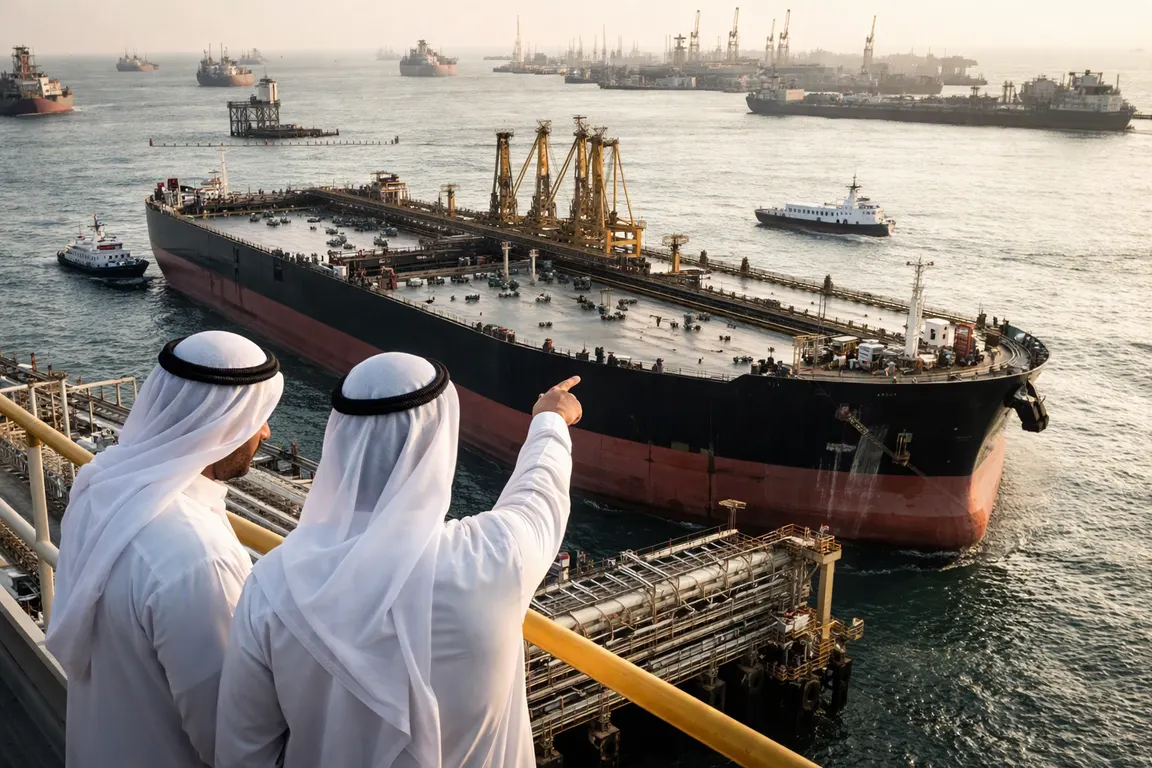
Saudi Aramco announced on Oct. 5 a $5‑per‑barrel discount to the Dubai/Oman benchmark for November Arab Light cargoes to Asia, the deepest cut since June 2020. The reduction follows a 43‑fold jump in VLCC freight rates, which rose to about $1.3 million per day, adding roughly $33 per barrel to the landed cost of crude.
The move signals Riyadh’s effort to protect market share in a region where the Strait of Hormuz remains a chokepoint and global oil inventories are at historically low levels. Aramco chief executive Amin Nasser warned that usable global stockpiles have slipped to under 6 billion barrels, down from roughly 10 billion before the U.S.–Iran conflict, heightening the risk of price volatility for import‑dependent economies.
Freight‑cost inflation stems from heightened security concerns after a fresh attack on the 745‑mile East‑West pipeline on Oct. 4. Satellite imagery released by open‑source analysts showed smoke over Pumping Station 2 east of Riyadh, suggesting damage that could interrupt flow. Bloomberg later reported the pipeline operating normally, but repairs are ongoing, underscoring the vulnerability of Saudi export routes.
At the time of the price cut, Brent hovered around $100 a barrel and WTI slipped about 0.7 percent. G7 governments announced the release of up to 100 million barrels of emergency oil and diesel reserves to temper price spikes, a short‑term measure that does not resolve the underlying logistics squeeze.
Asian refiners stand to benefit from the headline price cut, but the added freight surcharge erodes much of the margin gain. Shipping firms are grappling with record VLCC daily rates, prompting Saudi‑UAE‑Kuwait tankers to increase ship‑to‑ship transfers in the Gulf of Oman to avoid Hormuz‑related threats. The added complexity could become a lasting feature of Middle‑East‑to‑Asia oil flows if security concerns persist.
European markets are meanwhile distracted by a sovereign‑debt scare in France, which has pushed the euro to a 17‑month low against the dollar. Analysts note that the combination of European fiscal uncertainty and Middle‑East supply risk amplifies oil‑price volatility, even as the direct link between the Aramco discount and broader market moves remains debated.
The coming week will test whether the pipeline can sustain uninterrupted flow and whether freight rates stabilize as security measures take effect. Observers will watch for updates from Saudi authorities on pipeline repairs and for any further adjustments to Aramco’s pricing formula, which could reshape the balance between headline crude prices and transport costs for Asian buyers.