

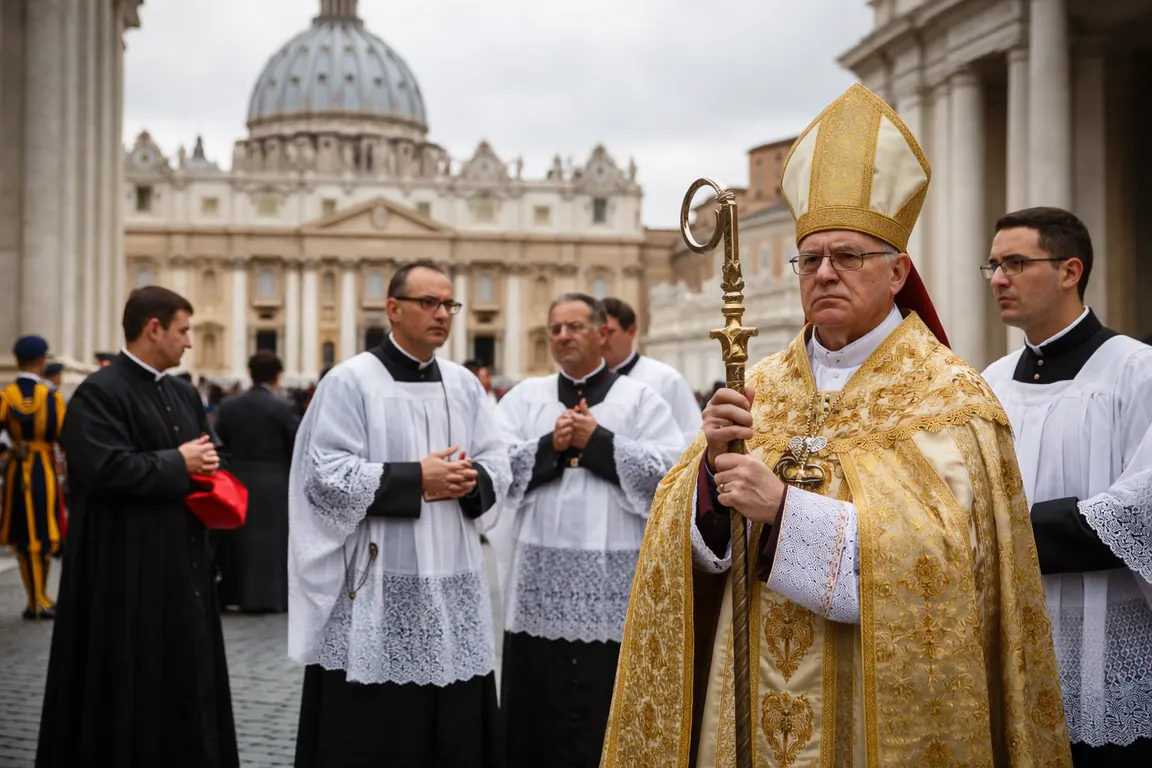
The Vatican has excommunicated the Society of St. Pius X due to their ordination of bishops without papal consent. This move marks a significant escalation in the conflict between the two, highlighting tensions between traditionalist Catholics and the Church's modernizing efforts. The excommunication has implications for the unity and authority of the Catholic Church.
The Vatican's decision was announced in a statement following the SSPX's ordination of four bishops without the Pope's consent. The SSPX, founded in 1970 in Écône, Switzerland, has approximately 1 million followers worldwide who are now affected by the excommunication. According to the Vatican, only the Pope may approve bishop consecrations to safeguard apostolic ties to Jesus' original disciples.
Cardinal Víctor Manuel Fernández, head of the Holy See's Dicastery for the Doctrine of the Faith, is involved in the Vatican's efforts to address the situation. The excommunication is a significant blow to the SSPX's legitimacy and authority, potentially leading to further divisions and conflicts within the Catholic Church. The SSPX's ordination of bishops without papal consent was seen as a challenge to the Vatican's authority, and the excommunication is a response to this action.
The implications of the excommunication are still unclear, but it is likely to have significant consequences for the SSPX and its followers. As the situation develops, the Vatican will likely continue to emphasize the importance of maintaining apostolic ties to Jesus' original disciples. The excommunication raises questions about the future of the Catholic Church and its ability to balance traditionalist and modernizing forces. The Vatican's next steps in addressing the situation will be closely watched, and the outcome is uncertain.
The conflict between the Vatican and the SSPX is not new, but the excommunication marks a significant turning point. The Vatican has previously attempted to reconcile with the SSPX, but the group's insistence on ordaining bishops without papal consent has created a major obstacle. The excommunication may lead to a further rift between the two, potentially resulting in a permanent split. The Catholic Church's ability to navigate this conflict will be crucial in maintaining its unity and authority.
The Vatican's decision to excommunicate the SSPX is a demonstration of its commitment to upholding the Church's traditions and authority. The move is likely to be seen as a significant assertion of the Pope's authority, and it may have implications for other traditionalist groups within the Church. As the situation continues to unfold, it is clear that the excommunication of the SSPX will have far-reaching consequences for the Catholic Church and its followers.