

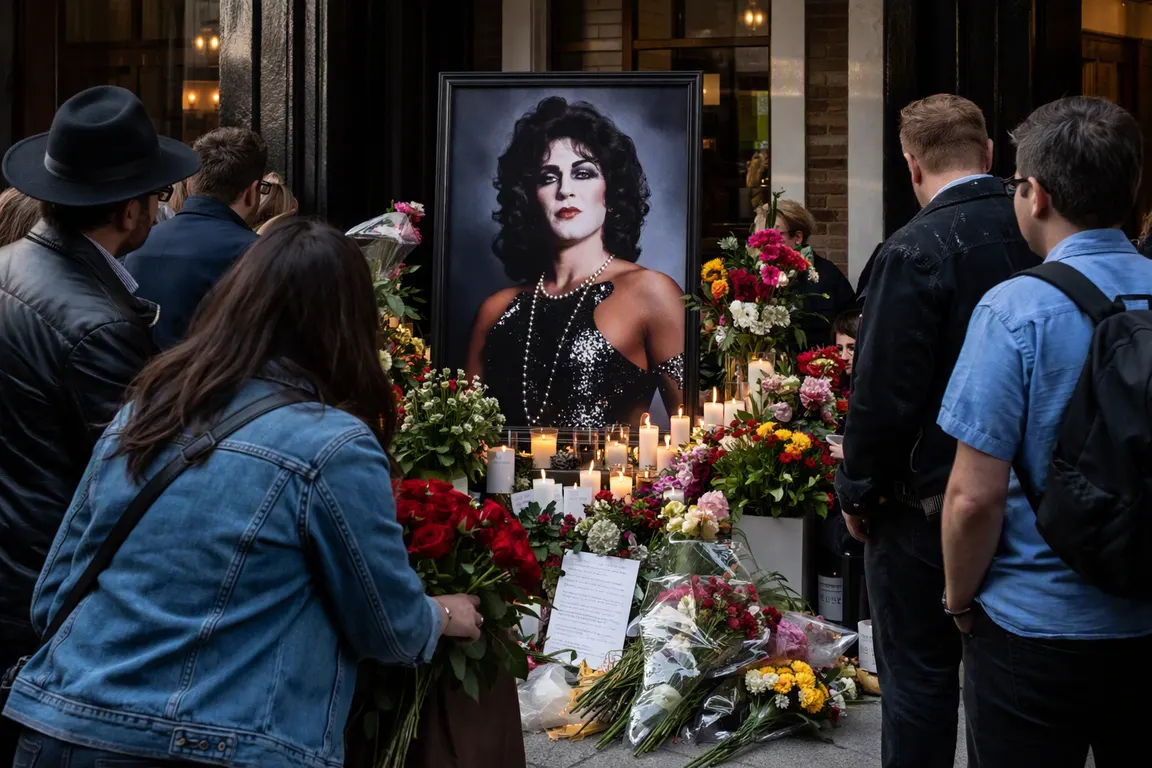
Tim Curry, the 80‑year‑old English actor best known for his flamboyant turn as Dr. Frank‑N‑Furter in Rocky Horror, died earlier this year. The news sparked tributes from fans, fellow artists and major broadcasters, though neither the cause nor the exact date of his death was disclosed.
Curry first rose to prominence on the London stage before starring in the 1975 film adaptation of *The Rocky Horror Picture Show*. His portrayal of the sexually unapologetic, theatrical Frank‑N‑Furter turned the movie into a cult phenomenon and made Curry a touchstone for LGBTQ+ representation at a time when such visibility was rare.
Over the next four decades Curry built a varied career. He appeared in television series such as *It* (2017), lent his voice to animated shows, and returned to the stage in productions ranging from *Amadeus* to *Spamalot*. Colleagues praised his willingness to push boundaries; actor‑director John Cameron Mitchell recalled Curry’s “fearless energy” that encouraged younger performers to explore gender fluidity on stage.
The entertainment community is already planning memorials. The Royal Court Theatre, where Curry began his professional journey, announced a series of screenings and panel discussions on queer performance art. Streaming platforms reported a surge in viewership of *Rocky Horror* and Curry’s later work, suggesting renewed public interest.
Cultural commentators expect the heightened attention to spark academic examinations of Curry’s impact on queer cinema and theatre studies. While no posthumous projects have been confirmed, his estate has hinted at possible releases of unreleased recordings and a charitable fund to support LGBTQ+ youth arts programs.
Curry’s death underscores how a single performance can reshape cultural scripts. His legacy of artistic daring, representation and community solidarity will continue to influence discussions of media diversity and the role of performance in social change.