

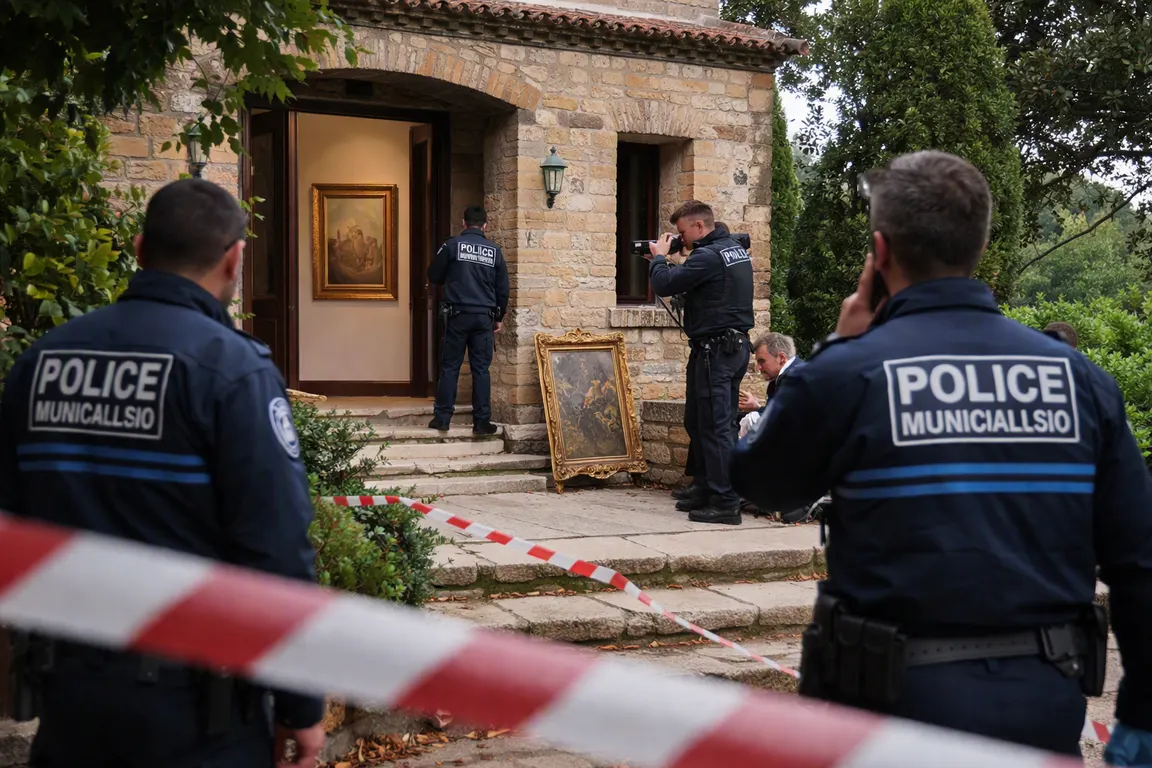
The alarm at the Renoir Museum in Cagnes‑sur‑Mer sounded at 5:48 a.m. on Tuesday, marking a Renoir Museum theft that saw four Impressionist paintings disappear within minutes. Municipal police arrived within five minutes, but the thieves escaped, leaving one work behind. The museum, the former home of Pierre‑Auguste Renoir and open to the public since 1960, reported the loss at 5:53 a.m., according to Mayor Bryan Masson.
Two suspects captured on municipal video broke into the building, removed the four works and abandoned one as they fled. The mayor’s office estimated the stolen pieces at roughly €9 million (about $10 million). No arrests have been made and the titles of the missing paintings have not been disclosed.
The theft highlights a growing risk for small, regionally managed cultural sites. Unlike the Louvre, which benefits from a national security budget, museums such as the Renoir rely on municipal funding and basic alarm systems. The incident follows a daylight robbery at the Louvre less than a year ago, when eight items worth about $100 million were taken. While suspects were arrested in that case, the stolen works remain missing, prompting renewed debate over security standards at smaller venues.
Local officials warn the robbery could hurt tourism. Cagnes‑sur‑Mer draws visitors for its seaside charm and cultural attractions, and the Renoir Museum is a key draw. A dip in visitor numbers would affect ticket revenue and nearby businesses that depend on tourist traffic. Museum staff also face uncertainty; the loss of irreplaceable works may strain budgets and limit future programming.
From a market perspective, stolen Impressionist paintings can quickly enter illicit networks, complicating recovery efforts. Insurers may raise premiums for similar works, and auction houses could face heightened scrutiny of provenance for pieces that surface.
Authorities have opened an investigation, reviewing surveillance footage and canvassing the surrounding area for leads. Mayor Masson said the rapid police response showed municipal readiness, but added that “a thorough security audit of all public museums in the region will be undertaken” in collaboration with national cultural agencies. Details of any security gaps have not been released, though the fact that thieves accessed the building before the alarm triggered suggests weaknesses in perimeter monitoring.
The museum remains closed while security upgrades are planned. Investigators continue to pursue the perpetrators, and the case raises unanswered questions about whether a pattern of targeting smaller museums is emerging after the Louvre theft and what concrete steps will be taken to safeguard France’s cultural heritage.