

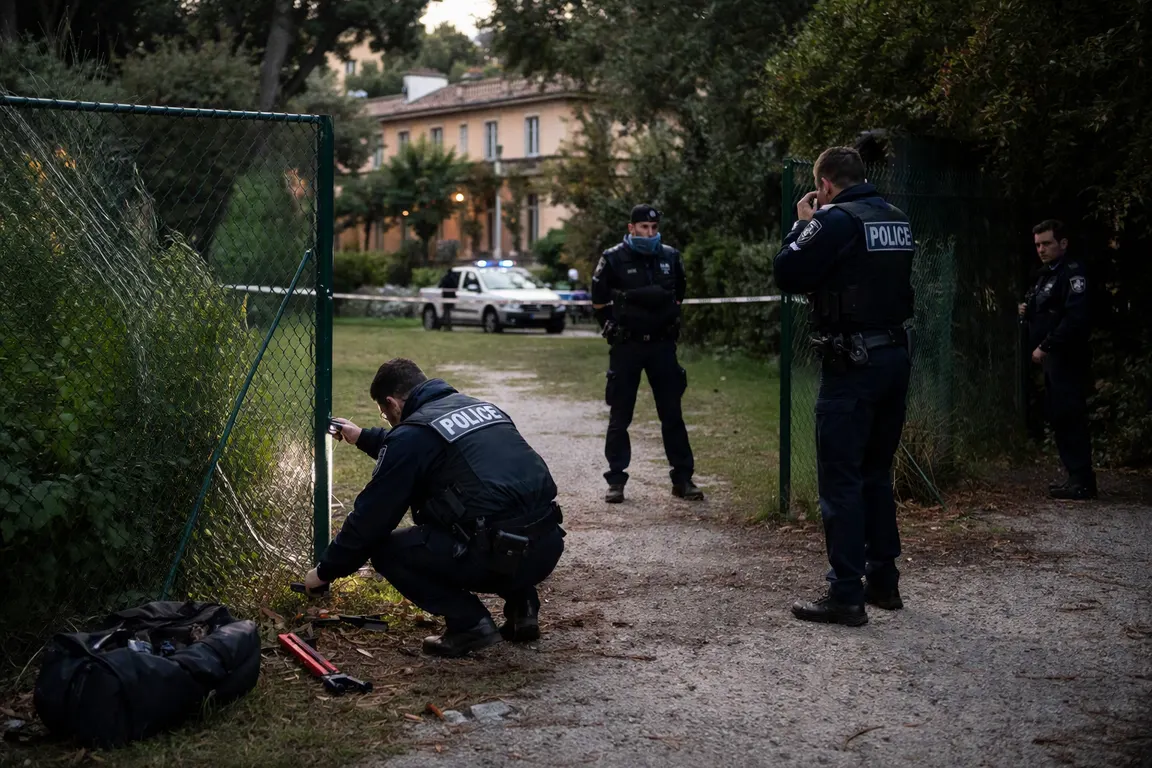
Thieves cut through the garden fence of the Musée Renoir in Cagnes‑sur‑Mer early Tuesday, stealing four paintings before fleeing. Police arrived within five minutes of the 5:48 a.m. alarm, but only two canvases – “Portrait of Madame Colonna Romano” and “Young Woman at the Well” – were recovered in the museum’s garden. The other two remain missing.
The robbery highlights a growing vulnerability among France’s smaller cultural institutions. While major museums in Paris and Lyon operate with sophisticated alarm systems and armed guards, regional sites like the Renoir Museum – housed in the artist’s former home and displaying a modest collection of twelve works – often rely on limited budgets and outdated security equipment.
According to museum officials, the intruders used an electric saw or knife to slice the garden fence before entering the ground‑floor exhibition space. Inside, they cut the metal clips that hold the frames and removed the four paintings in a matter of minutes. Two of the stolen works were abandoned in the garden, where staff recovered them shortly after the alarm sounded. Police have not disclosed details about suspects or the market value of the missing pieces, though both the BBC and the Wall Street Journal note they are worth “millions.”
Mayor Bryan Masson, speaking at a press briefing, urged the national government to allocate additional resources for museum security, emphasizing the town’s reliance on the Renoir Museum as a cornerstone of its tourism economy. “Our visitors come for the art and the history of Renoir’s home,” Masson said. “When that heritage is threatened, the whole community feels the impact.”
Art‑loss specialist James Ratcliffe warned that the heist could be a symptom of broader funding shortfalls. “Many regional museums lack the financial capacity to upgrade alarms, surveillance cameras and on‑site security personnel,” he said. “When criminals see that gap, they target institutions that appear easier to breach.” His assessment aligns with recent European reports linking organized theft rings to museums with similar security weaknesses.
Local businesses are already feeling the ripple effect. Hotels, cafés and souvenir shops near the museum reported a dip in bookings for the weekend following the theft, and tourism officials caution that a prolonged perception of insecurity could depress visitor numbers for months. The museum, which draws art lovers to the Riviera’s quiet coastal town, faces a potential decline in attendance that would further strain its modest operating budget.
In response, museum director Claire Dubois announced a temporary closure of the affected gallery while a forensic team examines the breach. She confirmed plans to install reinforced fencing, upgrade motion‑sensor lighting and explore a partnership with the national police’s art‑theft unit for ongoing monitoring. The French Ministry of Culture has pledged to review security standards for all public museums, though no concrete funding timeline has been set.
Police continue to investigate the theft, with both local law enforcement and the specialized unit of the Paris Police Prefecture that tracks illicit art trafficking involved. The Renoir Museum heist underscores how even modest regional museums are becoming prime targets for organized art‑theft rings, exposing gaps in France’s cultural‑heritage security and prompting urgent calls for policy action.