

Pope Francis in France urges migration reform and AI ethics
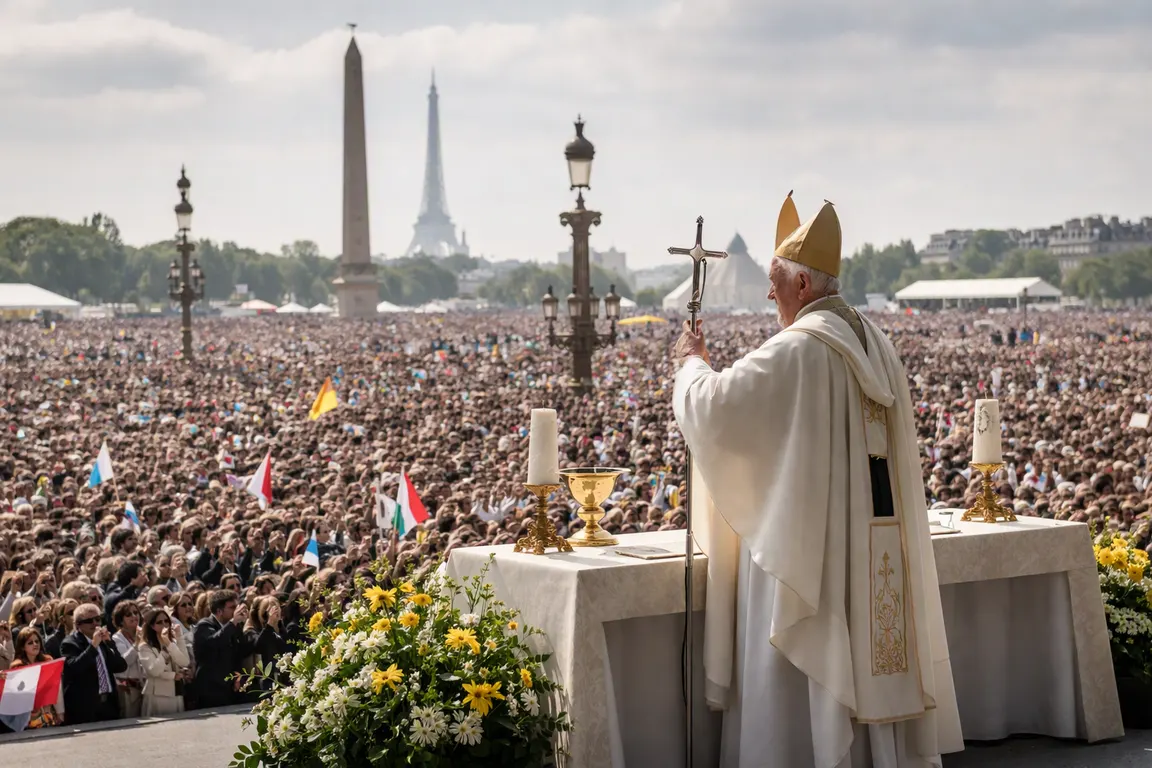
Pope Francis concluded a four‑day pilgrimage in France with an open‑air Mass at Paris's Place de la Concorde on April 27, drawing an estimated 800,000 people. The visit, timed weeks before the first round of the 2027 presidential election, turned historic boulevards into a platform for three contentious policy debates: migration, artificial‑intelligence governance and accountability for clerical sexual abuse.
The pontiff arrived in Paris on April 26, rode the Champs‑Élysées and addressed the crowd the next day. Security forces deployed extensive police and gendarmerie units, though the exact composition was not disclosed. High‑profile politicians—including Marine Le Pen, Edouard Philippe and Brigitte Macron, who represented President Emmanuel Macron—were in attendance, underscoring the political weight of the event.
In the morning of April 27, Pope Francis met six migrants at Maison Bakhita, a shelter that houses people from Algeria, Belarus, Iraq and the Ivory Coast. He emphasized the "dignity of every human being" and urged French authorities to adopt immigration policies that balance compassion with security. The meeting was reported by multiple outlets and gave migrants a visible platform in a country where the issue dominates electoral discourse.
Later that afternoon, the Pope warned against an "AI‑driven ‘paradise of machines’" and called for robust ethical oversight of artificial‑intelligence systems. His remarks echoed ongoing European debates about AI regulation, though coverage of the comment varied among news organizations.
On April 28 the Pope traveled to Lourdes, where he followed tradition by touching the rock of the Grotto of Massabielle, lighting a candle and drinking spring water. That same day he held a private audience with seven French victims of clerical sexual abuse. The meeting follows a 2021 French inquiry that documented abuse of roughly 330,000 minors by clergy or lay Church members over seven decades, a figure widely reported in the press. Advocates described the audience as a high‑profile platform that pressures both the Vatican and French authorities to accelerate reforms.
The pilgrimage generated a measurable economic boost. Hotels and transport services in Paris and Lourdes reported higher occupancy, while local officials noted the logistical challenge of managing crowds of up to 800,000, coordinating traffic diversions and maintaining public order without disrupting daily life.
As the campaign intensifies, candidates are expected to reference the Pope’s calls for humane migration policies, responsible AI governance and accountability for clerical abuse. The Vatican has pledged to monitor any reforms discussed during the meetings, but concrete steps remain to be outlined. Pope Francis’s four‑day tour has turned religious ceremony into a catalyst for policy debate, leaving voters and lawmakers to assess how his moral authority may influence legislative action.