

Kennedy Center Closure Over Structural Defects and Funding
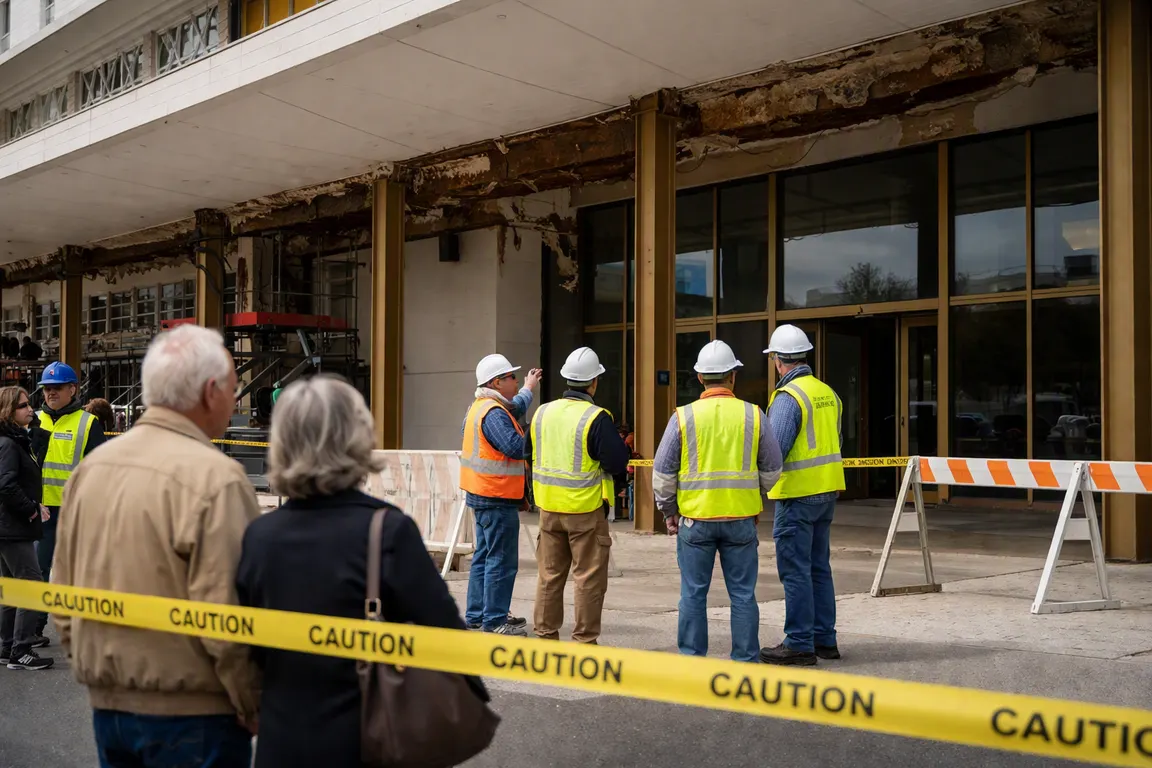
The board of the John F. Kennedy Center for the Performing Arts voted Tuesday to shut the venue indefinitely after engineers identified critical structural problems and the organization said it lacks the money to fund repairs. The Kennedy Center closure was driven by corrosion of steel supports and deteriorating concrete in the river‑front sections of the building, conditions that could compromise the auditorium’s integrity.
No repair cost was disclosed, but financial officers warned that without a sizable infusion of capital the work cannot begin. The decision follows a federal judge’s permanent injunction that bars the center from adding former President Donald Trump’s name to its façade. The naming proposal had been promoted as a condition for unlocking political and private donations. After the ruling, several donors who had linked contributions to the Trump branding paused or withdrew pledges, deepening the center’s budget shortfall.
The closure removes a national cultural hub from Washington’s downtown, cancels dozens of scheduled performances and threatens jobs for staff, contractors and nearby businesses that depend on the center’s daily traffic. Employees face uncertain prospects as payroll for non‑essential staff is suspended, and artists slated for the spring season must seek alternative venues, likely at higher cost and with reduced capacity.
The board’s vote came after a meeting earlier this year that had been set to consider a two‑year shutdown. Instead, the board moved directly to an indefinite closure, describing the safety deficiencies as “critical” and the funding gap as “insurmountable.”
While some commentators have framed the shutdown as a direct result of the naming dispute, the board’s safety assessment was conducted independently and was the primary trigger for the vote. Nonetheless, the inability to secure the contested naming rights has limited access to both federal grant avenues and private philanthropy, further constraining the center’s finances.
Center officials have not announced a concrete reopening plan. The board said it will commission a comprehensive engineering report and explore alternative financing, including possible state or federal infrastructure funds, but no timeline has been set. An independent safety audit is slated for release within 60 days, and the findings will be presented to potential donors.
The immediate impact extends beyond the performing arts community. Restaurants, hotels and transit services in the Penn Quarter and Foggy Bottom districts anticipate a drop in patronage that could affect revenue for months.
The shutdown highlights the challenges public venues face when safety concerns intersect with politicized funding conditions. Stakeholders are watching for any development—whether a revised naming agreement, a separate fundraising campaign, or legislative support—that could unlock the capital needed to repair the Kennedy Center and reopen its doors.