

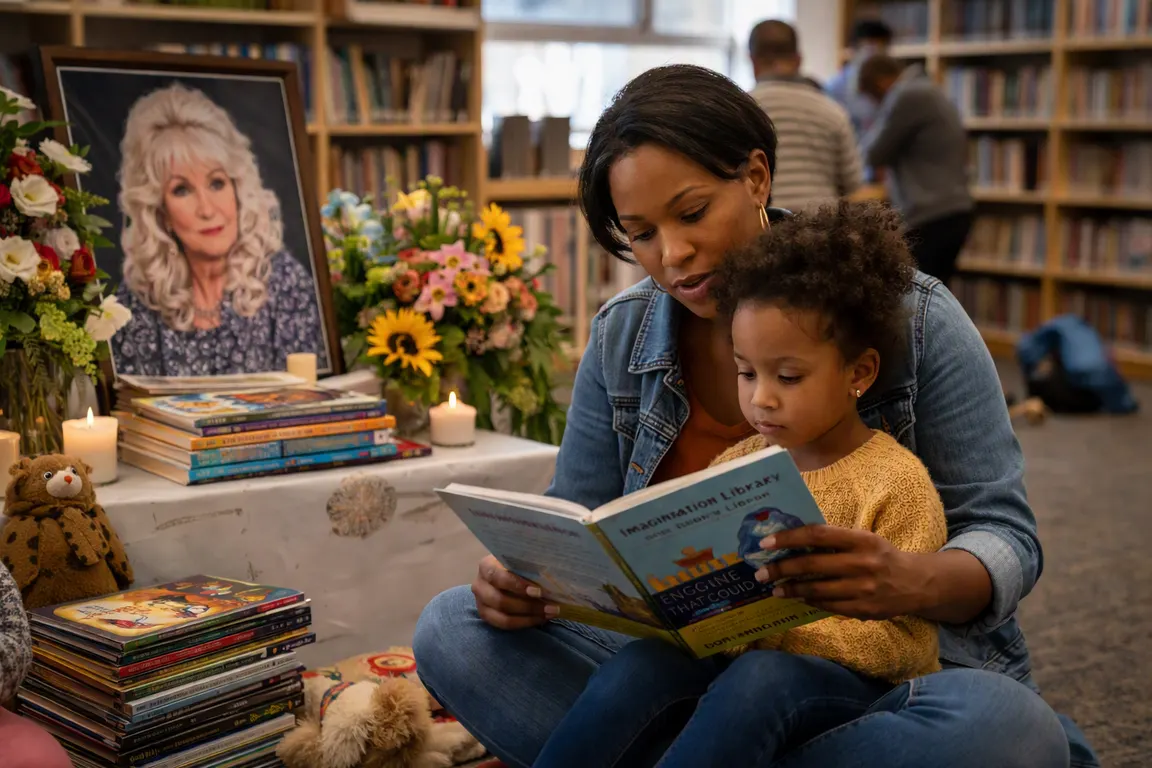
Nashville medical officials confirmed Wednesday that Dolly Parton, 80, died at a local hospital after a brief battle with cancer. The news sparked tributes from fellow artists and renewed focus on the charitable network the singer‑songwriter built over five decades, including the Imagination Library impact on early childhood literacy.
Parton’s most visible initiative, the Imagination Library, provides a free, age‑appropriate book each month to children from birth to five. By the time of her death, the program had distributed more than 150 million books in the United States, Canada, the United Kingdom, Australia and Ireland, according to the BBC. Studies have linked the library to higher early‑language scores and better school readiness, especially in low‑income neighborhoods where public library access is limited.
During the COVID‑19 pandemic, Parton used her business interests and personal brand to support vaccine outreach in underserved areas. While the BBC noted she contributed resources to these efforts, the exact amounts and partner organizations were not disclosed. Local health departments reported that events featuring Parton’s name attracted higher turnout, suggesting that her endorsement helped overcome vaccine hesitancy in rural Appalachia and similar regions.
Parton described her giving as an extension of her upbringing in a modest, music‑filled household, emphasizing that generosity should be ordinary, not exceptional. Profits from Dollywood and her music catalog were routinely funneled into charitable projects, creating a self‑sustaining model that blended commerce with community service.
With her passing, the future stewardship of these initiatives is under review. The Imagination Library is overseen by a nonprofit board that includes former executives from Parton’s enterprises, and the organization has pledged to maintain operations unchanged. By contrast, the pandemic‑related outreach projects lack publicly disclosed endowments, leaving their long‑term funding uncertain. Industry observers note that without a clear succession plan, some ad‑hoc COVID‑19 efforts could lose momentum.
Teachers in Tennessee report that children who participated in the Imagination Library enter kindergarten with higher literacy scores than peers who did not. The partnership model that paired Parton’s brand with local health agencies offers a template for future collaborations between private influencers and government programs.
As the nation mourns a cultural icon, stakeholders will watch whether the mechanisms she put in place can sustain their impact or whether new donors will be needed to fill any gaps. The outcome will shape both the legacy of Dolly Parton’s philanthropy and the broader role of celebrity‑driven giving in education and public health.