

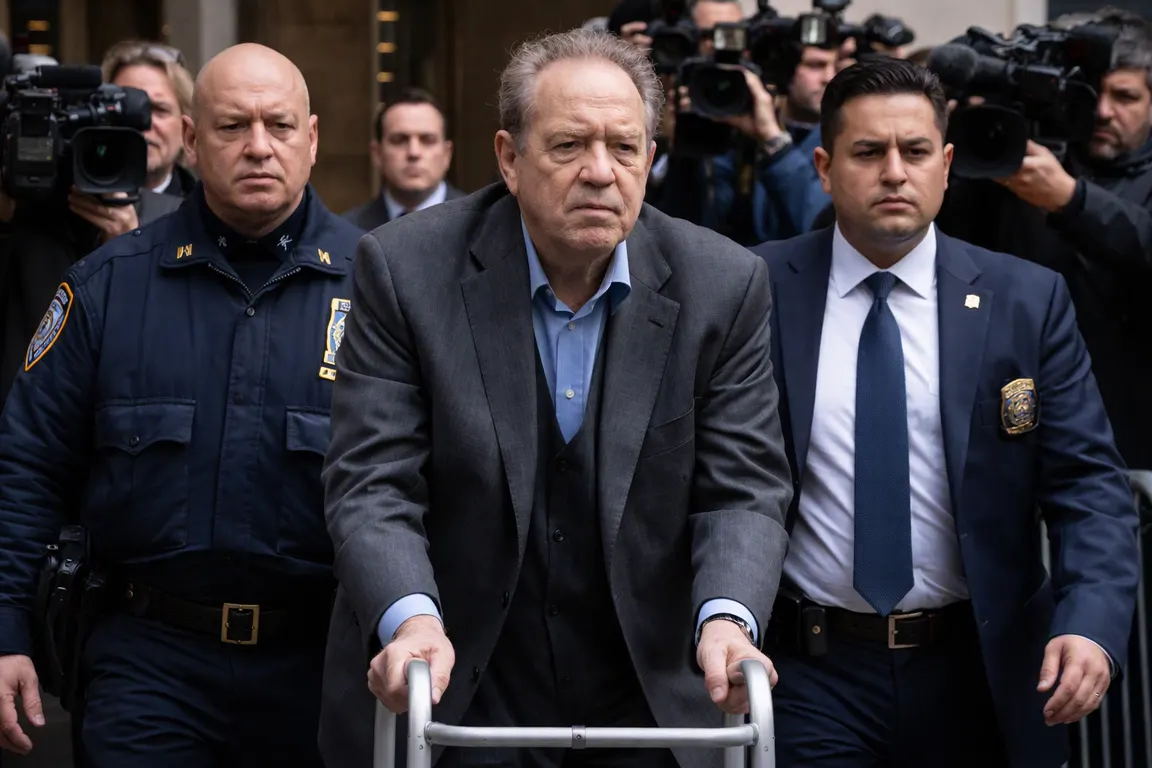
A Manhattan criminal court judge sentenced former film producer Harvey Weinstein to 15 years in prison on Wednesday, concluding a six‑year legal saga that began with a 2020 conviction later overturned. The sentence stems from a single count of sexual assault for an attack on former Project Runway production assistant Miriam Haley in 2006.
The case marks a notable moment for the entertainment industry, which continues to grapple with the fallout of the MeToo movement that first exposed Weinstein’s behavior in 2017. By imposing a substantial custodial penalty on a once‑untouchable mogul, the ruling signals that criminal accountability can translate into pressure on media companies to tighten workplace safeguards, reporting channels and training programs.
Weinstein’s retrial was ordered after his original 2020 conviction was vacated on procedural grounds, including disputed jury instructions and evidence handling. The 2023 retrial presented the same core allegation: Haley testified that Weinstein forced her to perform sexual acts during a production meeting, and the jury found her account credible. The charge carries a maximum sentence of 30 years; the 15‑year term reflects the judge’s assessment of the crime’s gravity and the need for deterrence.
A separate claim that Weinstein funded a $1.75 million smear campaign against alleged victims appeared in New York Post coverage, but the allegation has not been corroborated by other outlets and no court documents confirm the expenditure. Reporters note the claim remains unverified and present it as an allegation, not a proven fact.
The sentencing’s immediate impact is most evident for Haley and other potential survivors who may feel empowered to come forward. Legal analysts say studios, production companies and talent agencies will likely revisit internal policies, including stricter harassment‑reporting mechanisms and mandatory training on power dynamics. Such reforms could raise compliance costs and insurance premiums, but they aim to reduce litigation risk and protect employee welfare.
Industry observers note that while no studio has announced concrete policy changes directly tied to the verdict, several executives have publicly pledged to review existing safeguards. The broader implication is a heightened awareness that criminal proceedings can serve as a catalyst for corporate risk‑management strategies, especially in sectors where reputation and talent retention are paramount.
Looking ahead, the case raises unanswered questions about how the justice system will handle other high‑profile sexual‑assault accusations. Prosecutors may pursue similar charges against remaining alleged perpetrators, and courts will need to balance procedural rigor with victims’ rights. The outcome will shape the next chapter of workplace accountability in Hollywood and beyond.