

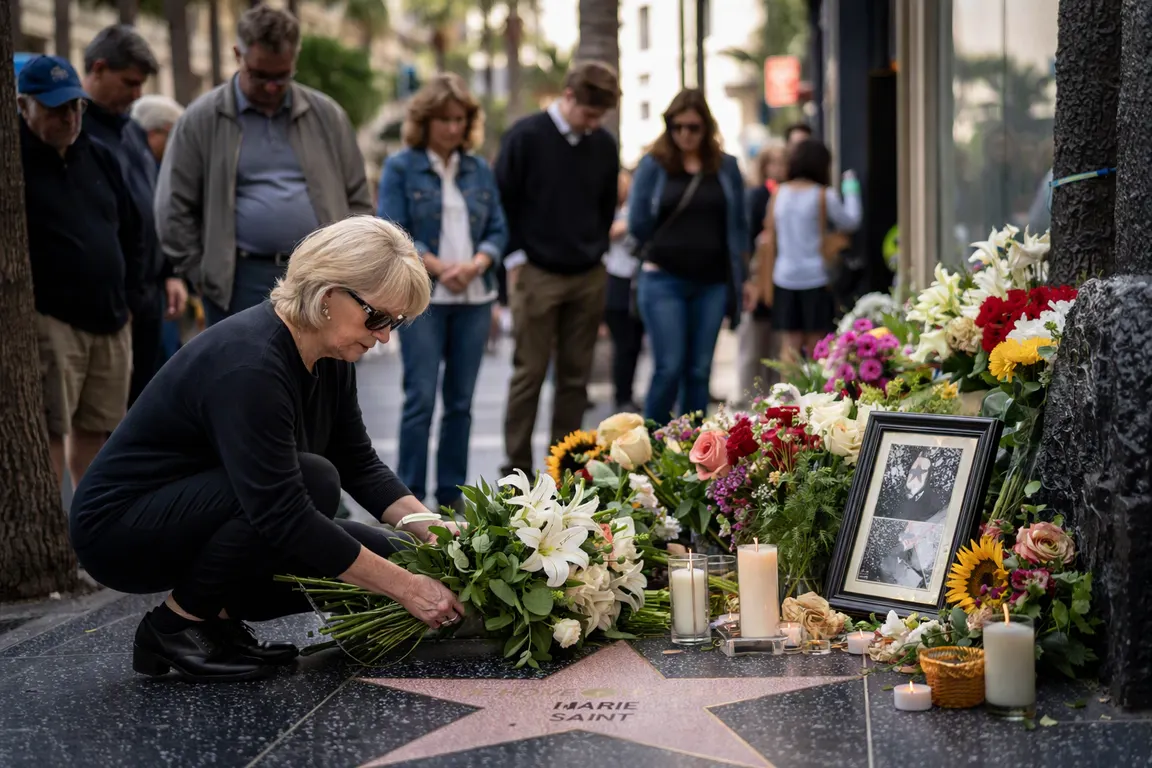
Eva Marie Saint death was confirmed Tuesday when the 102‑year‑old Oscar‑winning actress passed away of natural causes at her Los Angeles home, her family said. Saint was one of the last living links to Hollywood’s Golden Age.
Her career spanned more than six decades, from the Academy‑Award‑winning turn as Edie Doyle in Elia Kazan’s *On the Waterfront* (1954) to a cameo as Martha Kent in *Superman Returns* (2006). Working with directors such as Kazan, Alfred Hitchcock and later contemporary filmmakers, she illustrated the evolution of American cinema and highlighted the need to preserve classic films for new audiences.
In *On the Waterfront*, Saint’s performance helped define a socially conscious drama that still influences modern storytelling. Five years later, Hitchcock cast her opposite Cary Grant in *North by Northwest*, a film whose blend of espionage and visual flair set a template for today’s action franchises. Her cameo in the 2006 superhero reboot linked the Golden Age to contemporary blockbuster cinema, showing how veteran actors can lend gravitas to modern narratives.
Film archives and cultural institutions are already responding. The Academy Film Archive announced plans to prioritize a high‑definition restoration of *On the Waterfront*, and the Museum of Modern Art will present a retrospective pairing *North by Northwest* with recent thrillers to highlight Hitchcock’s lasting impact. Such programs make Saint’s work more accessible to students, scholars and filmmakers studying character nuance and the interplay of performance with evolving technology.
Saint’s career also mirrors broader shifts in Hollywood. She began in the studio‑system era, navigated the rise of independent productions and television, and later embraced franchise filmmaking. Her willingness to appear in a 2006 blockbuster demonstrates how seasoned actors can bridge generational gaps while reinforcing the timeless appeal of well‑crafted characters.
Industry observers note that the passing of one of the last Golden Age stars heightens the urgency of preserving living memory. With fewer first‑hand witnesses, the film community must rely on restored prints, oral histories and scholarly analysis to keep the era’s lessons alive. Streaming services are curating classic libraries, but must balance commercial appeal with the educational value of these works.
Tributes are emerging. The American Film Institute will host a virtual panel with directors who cite Saint as an influence, and the Screen Actors Guild plans a private remembrance ceremony. Film‑preservation societies are urging donors to fund additional restorations, emphasizing that each restored reel safeguards a piece of cultural heritage.
Saint’s death does not end the conversation about classic cinema; it amplifies it. As scholars, programmers and audiences revisit her films, they will continue to examine how storytelling principles forged in the 1950s shape today’s global box‑office narratives. The answer will unfold in archives, classrooms and streaming queues for years to come.