

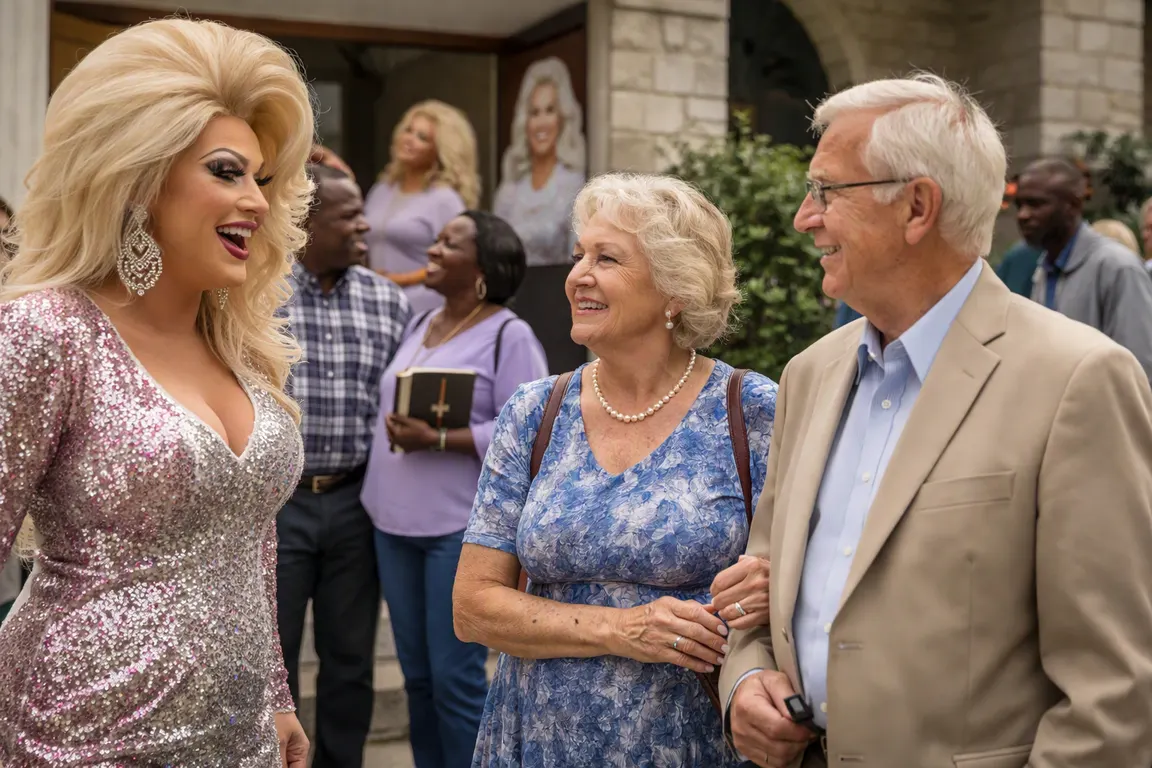
A recent BBC interview and two pieces in The Free Press highlight how the Dolly Parton appeal bridges two unlikely audiences: conservative Southern churchgoers and LGBTQ+ drag performers. The commentary notes that her inclusive image offers a rare example of an entertainment figure resonating across America’s most divergent social groups.
Parton, who rose from Appalachian roots in the 1960s to become a country‑music mainstay, has expanded her reach through pop songwriting, a theme park, and film and television appearances. BBC entertainment correspondent Colin Patterson attributes her broad appeal to "authentic storytelling" and a "relentless optimism" that feels both personal and universal. The Free Press writers, Hannah Long and Caitlin Flanagan, describe her as beloved by both Baptist church ladies and drag queens, crediting her Southern hospitality and self‑effacing humor for drawing such disparate crowds.
The pieces differ in tone. Patterson’s interview takes an investigative angle, probing how Parton's public persona translates into fan loyalty and market stability. Long and Flanagan offer celebratory essays, sharing anecdotes but providing little hard data on sales, concert attendance, or tourism. Industry observers note that her name continues to drive steady revenue for music sales, merchandise and Dollywood, yet the exact economic impact remains anecdotal.
Fans point to specific elements that make Parton feel inclusive. She frames "family values" in a way that resonates with religious audiences, while her outspoken support for LGBTQ+ rights—such as a 2020 appearance at a drag‑queen fundraiser—signals solidarity to queer communities. The juxtaposition of gospel‑inspired lyrics with flamboyant stage costumes blurs the line between tradition and subculture, allowing audiences to see themselves reflected in the same figure.
Commentators suggest that Parton's cross‑demographic popularity softens partisan divides in the realm of entertainment. By consistently promoting generosity, self‑acceptance and humor, she creates a shared reference point that transcends political affiliation. Critics caution that admiration for a single celebrity does not automatically lead to broader political compromise.
The discussion now turns to whether other cultural figures can replicate Parton's model. Observers argue that authenticity, a clear set of inclusive values and a willingness to engage multiple communities are key ingredients. Whether those ingredients can overcome an increasingly segmented media environment remains an open question, one that will shape future debates about cultural cohesion.