

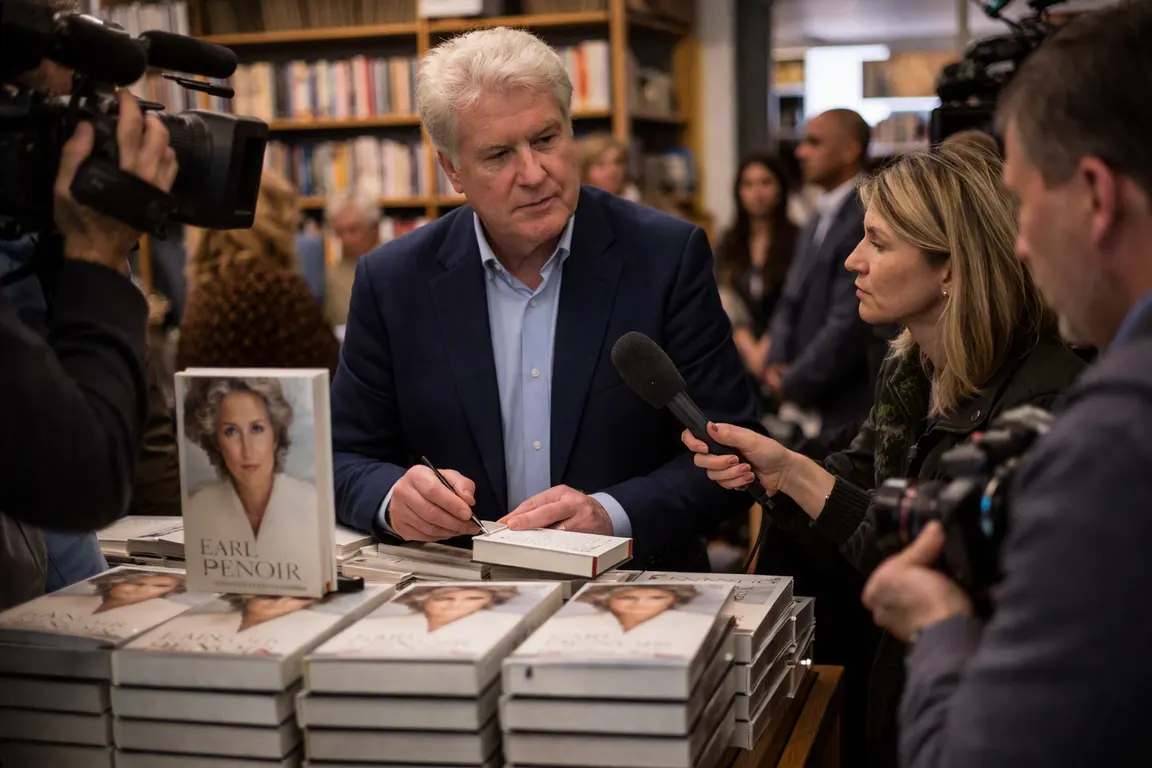
Earl Spencer’s new memoir, *Swan Song: Diana, My Sister*, hit UK shelves on Tuesday, reigniting public debate over the royal family’s handling of media pressure and mental‑health support for public figures. The Diana memoir launch has drawn attention to the ongoing conversation about press ethics and the wellbeing of high‑profile individuals.
In a televised interview with BBC journalist Laura Kuenssberg, Spencer – Diana’s brother – described the book as his "final word" and a tribute rather than a sensational exposé. He recalled a phone call with Prince Charles shortly after Diana’s funeral in which the prince’s tone was "giddy," a detail the BBC aired without independent verification. The palace has not responded.
The interview, promoted as a UK‑exclusive, drew wide domestic viewership, while the New York Post highlighted Spencer’s comparison of Diana’s experience to that of Prince Harry and Meghan Markle – a comparison that did not appear in the BBC segment.
Spencer’s memoir expands beyond the phone call, detailing the relentless media scrutiny Diana endured, its emotional toll on the family, and his own efforts to protect her legacy. By framing the work as a celebration, he positions it against earlier biographies that focused on scandal, a distinction that will shape how readers interpret the narrative.
Critics note that the claim about Charles’s tone is difficult to corroborate and that the lack of an official royal comment leaves the allegation in a contested space. Nonetheless, the story taps into ongoing discussions about the press’s role in the 1990s and early 2000s, when aggressive coverage contributed to Diana’s distress and eventual death. Mental‑health advocates have long called for clearer support structures for high‑profile individuals, and Spencer’s remarks have revived those calls.
From a commercial perspective, the book is expected to generate strong sales, joining a string of recent royal biographies that have performed well. Publishers see the appetite for insider perspectives as a signal for future titles.
Regulators are also watching. Ofcom is reviewing guidelines on reporting private family matters of public figures, and the memoir’s emergence may add pressure for stricter rules, especially if unverified claims are seen as influencing public opinion.
Observers will be looking for an official response from the palace in the coming weeks. A statement could defuse speculation or deepen calls for greater openness. Whether Spencer’s account reshapes public trust in the monarchy remains uncertain, but the convergence of a high‑profile book launch, a televised interview, and renewed media‑policy debate ensures the story will stay in the news cycle for weeks to come.
The next week should reveal sales figures, any royal comment, and whether policymakers cite the memoir in discussions about media regulation and mental‑health provisions for public officials.