

U.S.-backed Venezuela oil deal may bring $100 billion after
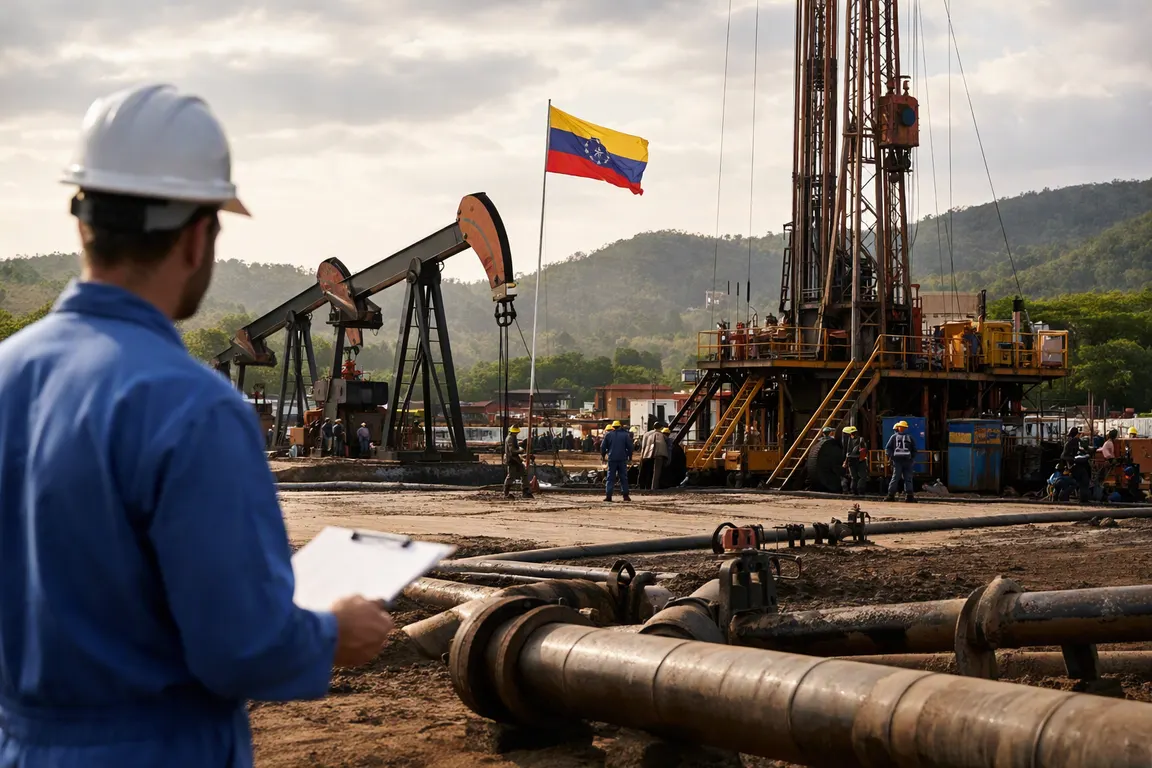
U.S. officials announced Friday that a private company backed by the United States will receive rights to develop 17 untapped oil fields in Venezuela under a U.S.-backed Venezuela oil deal. The partnership could inject as much as $100 billion into the country’s struggling energy sector and is being linked to the broader recovery effort after June’s twin earthquakes left thousands homeless.
The agreement gives the operator a 100‑year lease on fields estimated to contain 65 billion barrels of proven reserves, according to the Manila Times. Under the 25‑year contract, the company would control production while the United States would receive roughly 55 percent of output and the right to purchase oil at cost for the Strategic Petroleum Reserve. U.S. officials project the venture could generate more than $209 billion in tax revenue for Caracas over its lifespan.
Legal scholars question the pact’s legitimacy. Rodríguez assumed the interim presidency after U.S. forces detained President Nicolás Maduro in January, but experts such as Harvard economist Ricardo Hausmann argue she lacks authority to sign long‑term resource contracts without a fully elected legislature. No text of the agreement has been released, and the identity of the private operator remains undisclosed, raising transparency concerns.
Even if financing materializes, Venezuela’s oil infrastructure is in severe disrepair. Decades of underinvestment, sanctions and earthquake damage have left pipelines, refineries and transport networks operating at a fraction of capacity. Analysts at NYU and ClearView warn that any production increase could be delayed months, if not years, and that the deal is unlikely to affect U.S. gasoline prices in the near term. The White House offered only a brief statement, providing no details on how the promised investment will be allocated to rebuild facilities or support local workers.
For families still living in temporary shelters, the prospect of new jobs and improved public services is tempered by uncertainty. Rodríguez said the plan would prioritize hiring displaced residents and channel a portion of revenue into housing, health and education. Without a clear financing blueprint, those benefits may never reach the people most in need. Market vendors in Caracas expressed skepticism, noting that previous foreign investments have rarely translated into tangible community gains.
U.S. lawmakers have already taken partisan positions. Some Republican senators praised the agreement as a strategic win that secures a reliable oil source, while several Democratic senators condemned it as corruption and a potential risk to service members. No congressional action to ratify or fund the deal has been reported, leaving the arrangement dependent on executive agreements and private financing.
The partnership sits at the intersection of energy security, humanitarian relief and international law. As reconstruction efforts continue and Venezuela’s oil sector remains crippled, the next steps will hinge on whether the private operator can secure financing, obtain the missing technical data and navigate a legal landscape defined by a contested interim government. Until those details emerge, the $100 billion promise remains a tentative lifeline for a country still reeling from disaster.