

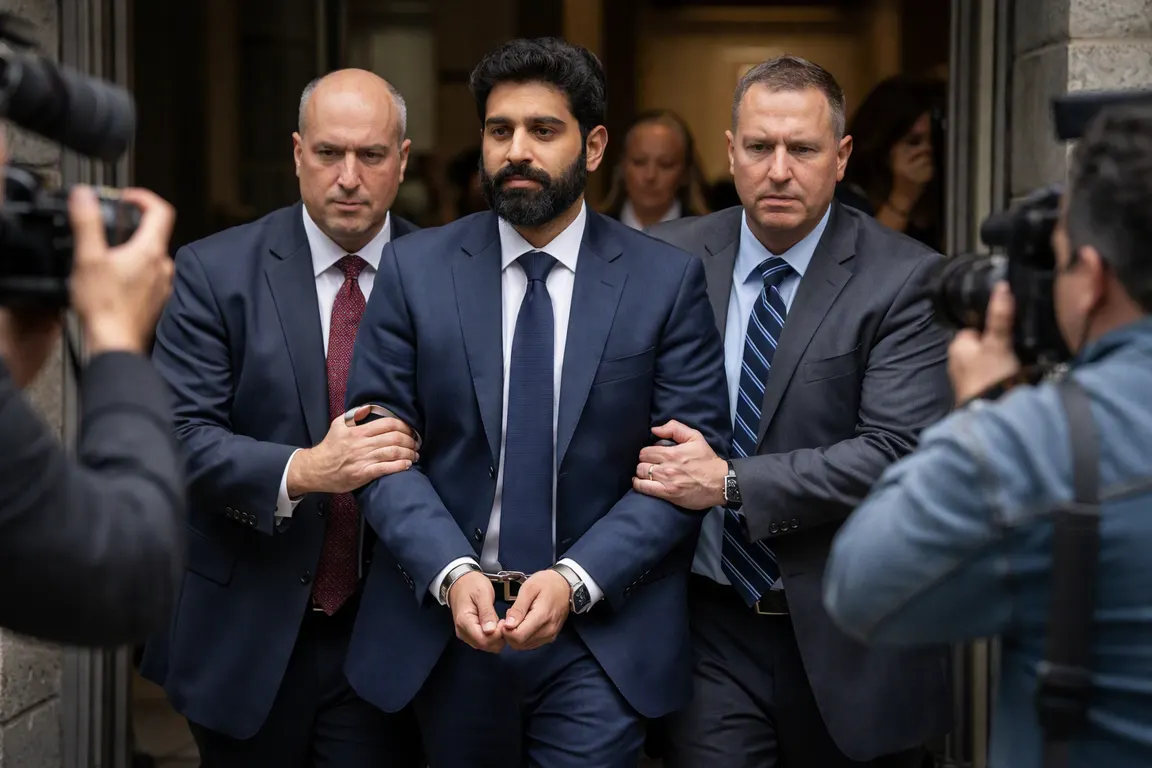
A federal judge on Wednesday sentenced Siddharth Jawahar, the founder of Texas‑based Swiftarc Ventures, to 11 years in prison and ordered him to pay $31 million in restitution for a Ponzi scheme that defrauded investors of between $31 million and $35 million, including NFL tight end Travis Kelce.
Jawahar launched Swiftarc in 2016, promoting it as a gateway to exclusive private‑equity deals that promised returns far above market averages. Court documents show he used fabricated performance reports, selective disclosure of successful exits, and personal charisma to convince investors to commit money.
The scheme ran until 2023, when investigators traced a pattern of funds being diverted to Jawahar’s personal expenses and to pay earlier investors – a classic Ponzi structure. Dozens of individuals and entities invested through Swiftarc, though the exact number remains unclear. Prosecutors estimate the total loss at over $35 million; the restitution figure reflects the amount the government believes can be recovered from Jawahar’s assets.
Among the victims, court filings list Travis Kelce, highlighting that even well‑connected individuals can be drawn into opaque private‑investment offerings. Officials have not disclosed how much Kelce invested.
Legal experts say the 11‑year sentence signals that federal prosecutors will pursue substantial penalties for private‑investment fraud, regardless of the victims’ profiles. The case underscores a broader regulatory gap: many private‑investment funds operate under exemptions that limit disclosure requirements, leaving investors to rely on the promoter’s credibility.
Lawmakers have cited the case in discussions about tightening oversight of private‑equity and venture‑capital offerings, but no specific legislation has been introduced. Advocacy groups argue that mandatory third‑party audits and clearer disclosure standards could help prevent similar scams, while industry representatives warn that overly burdensome rules could stifle capital formation for small businesses.
The court ordered Jawahar to begin restitution payments according to a schedule that will be set by the U.S. Trustee’s office. Authorities will continue to trace assets and may seek additional civil judgments to augment the restitution pool.
The sentencing highlights the importance of thorough due diligence for investors and adds pressure on regulators to consider reforms that balance investor protection with market efficiency. Whether Congress will act on the issue, and how quickly, remains uncertain.