

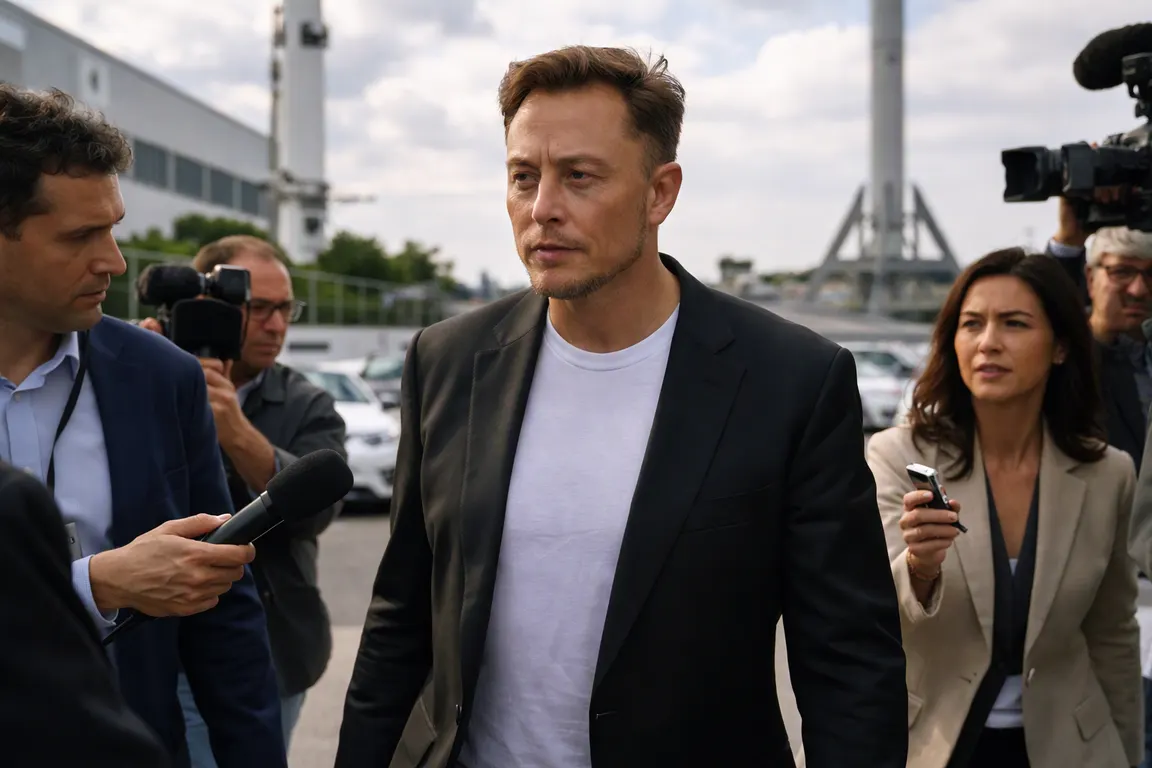
SpaceX’s third‑quarter earnings beat sent its shares up about 10% in pre‑market trading on Thursday, and during the earnings call Elon Musk suggested a possible SpaceX Tesla merger. The off‑hand comment ignited market chatter and prompted analysts to weigh the implications of a combined aerospace‑auto‑energy conglomerate.
Both companies reported stronger‑than‑expected revenue growth for the quarter, underscoring expanding cash flows and appetite for large‑scale projects. A merger would unite SpaceX’s launch services, Starlink satellite network and nascent space‑based energy ambitions with Tesla’s electric‑vehicle platform, battery‑storage business and renewable‑energy products. If realized, the union could reshape transportation, energy distribution and satellite broadband economics, while drawing intense scrutiny from antitrust regulators and national‑security agencies.
Musk said on the call that “there is a lot to be gained” from combining the two firms, a sentiment he echoed in a recent BBC interview, calling the prospect “potentially the biggest merger in history.” No formal filing, timeline or regulatory review has been announced, and the companies remain separate legal entities headquartered in Hawthorne, California.
The speculation has already increased volatility in SpaceX‑related securities. Traders are betting on a possible premium for Tesla shares if a deal materializes, while CNBC noted that investors are watching massive capital inflows into AI data‑center infrastructure, suggesting a mega‑merger could divert funding from other high‑growth tech sectors.
For employees, the prospect of integration introduces uncertainty. Both firms employ thousands of engineers, production workers and support staff whose roles could be reshaped by overlapping functions in propulsion, battery technology and software development. Cultural differences—SpaceX’s rapid‑iteration, launch‑focused ethos versus Tesla’s mass‑production mindset—could complicate any future consolidation.
Regulators would likely examine the deal on several fronts. The Federal Trade Commission and the Department of Justice would assess antitrust concerns, especially given the combined entity’s potential dominance in electric‑vehicle sales, battery storage and satellite broadband. The Federal Communications Commission might also weigh national‑security implications of a single private operator controlling both launch capabilities and a global satellite network.
Consumers could eventually see bundled offerings, such as Tesla vehicles equipped with integrated Starlink connectivity and coordinated charging solutions powered by Tesla’s solar and storage products. However, such cross‑selling raises questions about competition and pricing power, particularly in regions where broadband options are limited.
At present, the merger remains a rumor without concrete steps, filings or a disclosed negotiation timeline. Analysts caution that any deal would face a complex regulatory path given the strategic importance of both aerospace and energy assets. The next observable development will likely be a formal statement from either company’s legal or investor‑relations teams. Until such a filing appears, investors, employees and regulators must navigate a speculative landscape where the promise of a unified transportation‑space powerhouse coexists with unanswered questions about competition, oversight and the broader allocation of tech capital.