

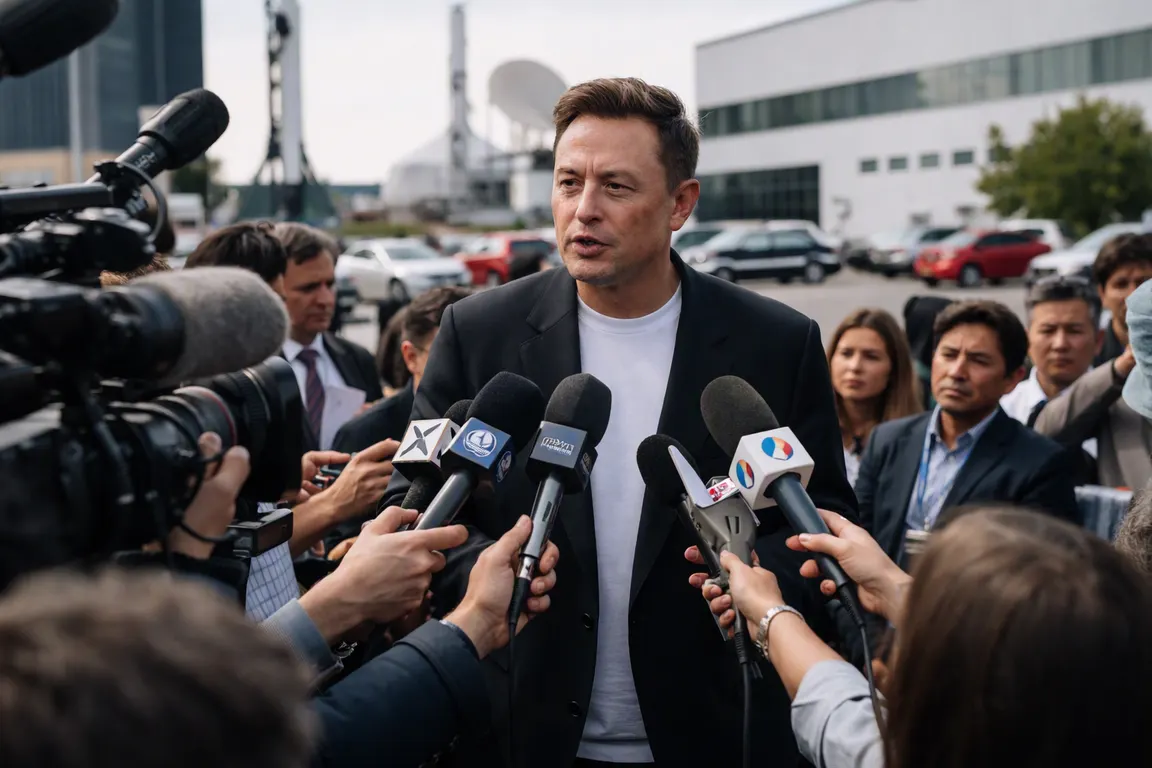
Elon Musk told reporters that a SpaceX Tesla merger is being explored, potentially creating an entity valued at roughly $3.5 trillion. The comment, reported by Al Jazeera, marks the first public acknowledgment that the two companies are studying a formal combination.
Both firms have formed independent special committees to evaluate the proposal. Musk said he is not a member of either committee because a securities‑law conflict bars him from direct involvement. No filing has been made with the U.S. Securities and Exchange Commission, and no timeline has been set.
If the deal moves forward, the combined company would span automotive manufacturing, electric‑vehicle sales, satellite broadband, launch services and energy storage. Such breadth could reshape competition in several high‑growth sectors, affect thousands of employees and shift billions of dollars of shareholder value.
Regulators are expected to examine the transaction closely. The Federal Trade Commission would assess antitrust risks in both the automotive and aerospace markets, while the SEC would review disclosure and securities‑law compliance. The Federal Aviation Administration could weigh national‑security concerns tied to merging launch capabilities with a commercial vehicle manufacturer. Each agency’s review could add months to any approval process and might require divestitures or operational firewalls.
Industry analysts note that the $3.5 trillion figure comes solely from Al Jazeera’s estimate and has not been independently verified. Nonetheless, the prospect of a mega‑company raises practical questions. Overlapping functions—such as battery development, vehicle connectivity and launch‑as‑a‑service—could be consolidated, leading to restructuring, relocation or changes in job functions for employees at both firms.
Suppliers that serve one company may see new opportunities or new risks if the combined entity renegotiates contracts or shifts sourcing strategies. Investors are already watching Tesla’s stock and private‑market estimates of SpaceX for valuation swings, and related supply‑chain stocks could experience heightened volatility.
Competitors in automotive, aerospace and energy could face a dominant player with unprecedented access to capital, data and technology. The merged firm could leverage Tesla’s battery expertise to lower launch costs or use SpaceX’s satellite network to enhance vehicle connectivity, potentially reshaping pricing and innovation dynamics. Consumers might eventually see vehicles with built‑in satellite internet, but market concentration could also lead to higher prices if competition diminishes.
The next concrete step appears to be the delivery of reports from the internal committees to each board. Should those reports recommend proceeding, the companies would likely file a joint registration statement with the SEC, triggering a formal review period. Until such filings occur, the merger remains speculative, and the final outcome will hinge on how regulators balance potential efficiencies against competition and security concerns.