

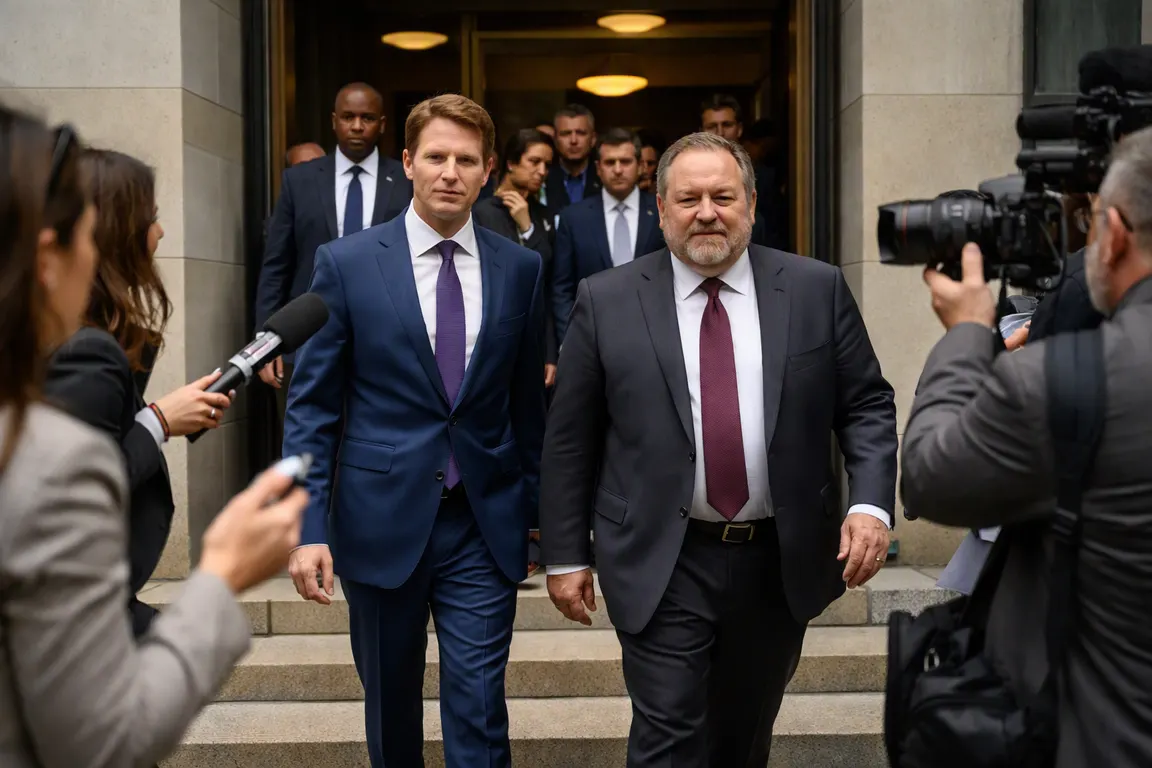
A settlement with more than a dozen state attorneys general on Monday removed the last major state‑level obstacle to the Paramount Skydance merger, clearing the way for federal review.
The agreement resolves the antitrust challenge that could have blocked what would be the largest media merger in decades. In exchange, Paramount must deliver at least 30 feature films each year and avoids a daily $7 million penalty that would have applied if the deal failed to close by Sept. 30.
Negotiated by California’s attorney general and 11 other states, the settlement addresses concerns that the merger would concentrate market power in distribution, talent and exhibition. While the deal still faces Department of Justice and Federal Trade Commission scrutiny, the coordinated state lawsuits that could have delayed or derailed the transaction are now gone.
Key provisions bind Paramount to the 30‑film output requirement. If the company falls short, the agreement triggers a forced divestiture of assets, a safeguard intended to keep a robust pipeline of new content in the market.
Around 20 consumer‑advocacy and labor groups have filed separate complaints with the New York attorney general, indicating continued opposition. Those groups argue that the production commitment may not offset the broader competitive risks of a vertically integrated studio that controls both content creation and distribution.
If the output requirement is met, the deal could generate new jobs for writers, crew members and ancillary staff, especially in states that host major filming locations. Conversely, the forced‑sale clause creates uncertainty for underperforming divisions, potentially leading to layoffs.
For consumers, a larger Paramount‑Skydance could affect ticket prices, streaming subscription structures and the diversity of films available, though analysts caution that any price impact will depend on how the merged company leverages its expanded library.
Smaller studios and independent producers may find it harder to secure financing and distribution as the combined entity gains greater bargaining power with exhibitors and streaming platforms. State economies that rely on film incentives could benefit from the mandated production volume, provided the movies are shot locally rather than outsourced.
The settlement clears the path for the merger to enter the final phase of regulatory scrutiny. Federal antitrust review could take months, and the $7 million daily fee waiver remains contingent on a September 30 closing. The 30‑film clause will be monitored for compliance, and the outcome of the federal review will determine whether the industry‑shaping deal proceeds or faces additional hurdles.