

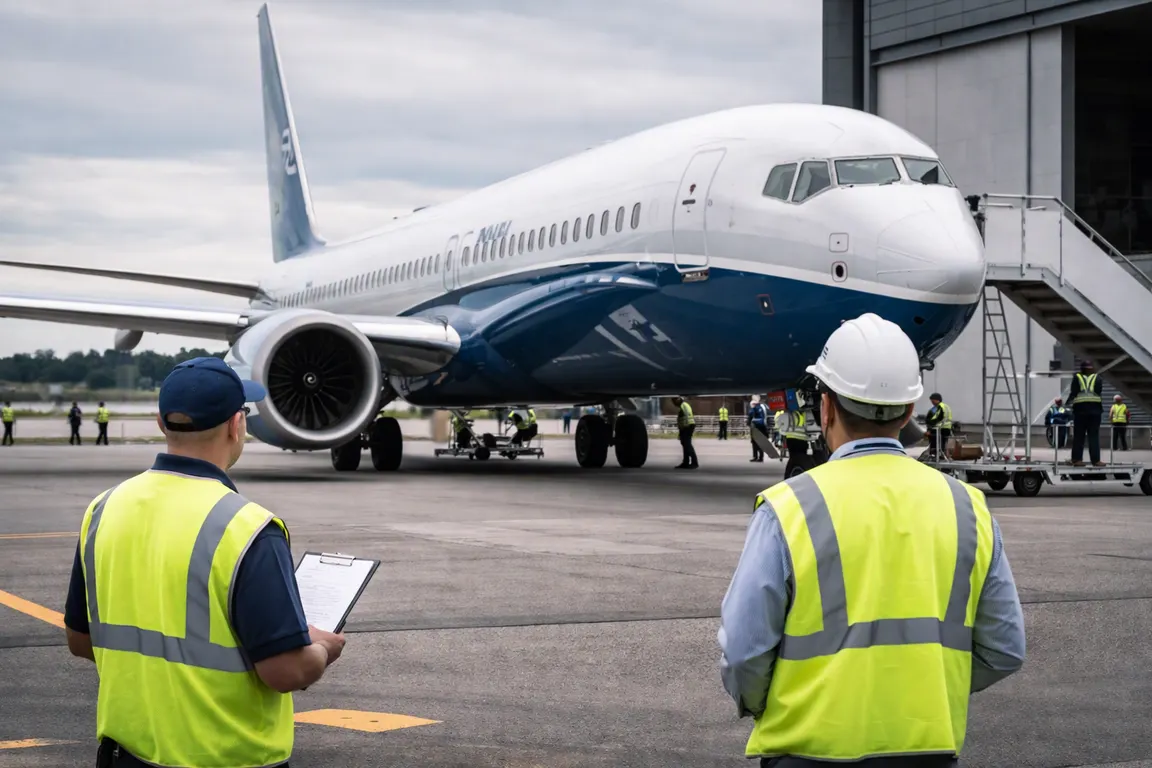
The Federal Aviation Administration said Monday it will not issue a final type certificate for the Boeing 737 MAX 10 until a software defect in the aircraft's vertical navigation system is fixed. The flaw can cause the automated navigation function to disengage during a go‑around, prompting the FAA to require a safety‑of‑flight assessment before the aircraft can be approved for service.
The MAX 10 is Boeing's largest single‑aisle jet, designed to seat up to 230 passengers and to replace aging high‑capacity aircraft on dense routes. More than 1,500 orders are pending, and airlines have built the model into capacity plans aimed at capturing post‑pandemic travel growth. A certification hold therefore threatens delivery schedules, route planning and the broader financial recovery Boeing has been seeking after two years of earnings losses.
Administrator Bryan Bedford explained that the agency identified the issue after approving the 737 MAX 7 earlier this summer. An updated navigation package introduced a smaller bug that affects the automated landing system during an aborted approach. Boeing notified customers in August that the defect could impact go‑around procedures, and some carriers have asked for deliveries with the older software version that avoids the problem.
Boeing's shares fell 6.1% in late‑afternoon trading, the steepest intraday drop since October 2025. Analysts at Bloomberg maintain a 12‑month price target of $273.58 and have issued 27 buy recommendations, but the certification delay underscores the volatility that still surrounds the company's turnaround.
Airlines with the largest exposure—United Airlines, Southwest Airlines and Ryanair—have sizable MAX 10 orders slated for delivery as early as 2027. If the delay extends, they may have to keep older, less fuel‑efficient aircraft in service longer than planned, which could reduce seat availability on high‑density routes and modestly raise operating costs. Those cost increases are likely to be passed on to passengers in the form of higher fares.
Boeing says a software patch is under development and that the MAX 10 could be approved "very soon" after the MAX 7 certification, a comment made by CEO Dave Calhoun to investors. The company has not provided a timeline for the fix, and the FAA has not indicated how long its assessment will take. Certification will require Boeing to demonstrate that the revised code does not trigger disengagement in any flight‑phase scenario and that pilots retain full control during aborted landings.
The issue revives scrutiny of the 737 MAX family, which has already undergone intensive review after two fatal crashes. While the navigation‑software defect is unique to the MAX 10, regulators and airlines will watch the resolution closely to ensure similar flaws do not exist in other variants.
The next step is a formal safety assessment by the FAA. Once completed, Boeing will submit the corrected software for review. Until the process is finished, airlines must plan for delayed deliveries, and investors will continue to gauge how the setback influences Boeing's path to profitability.