

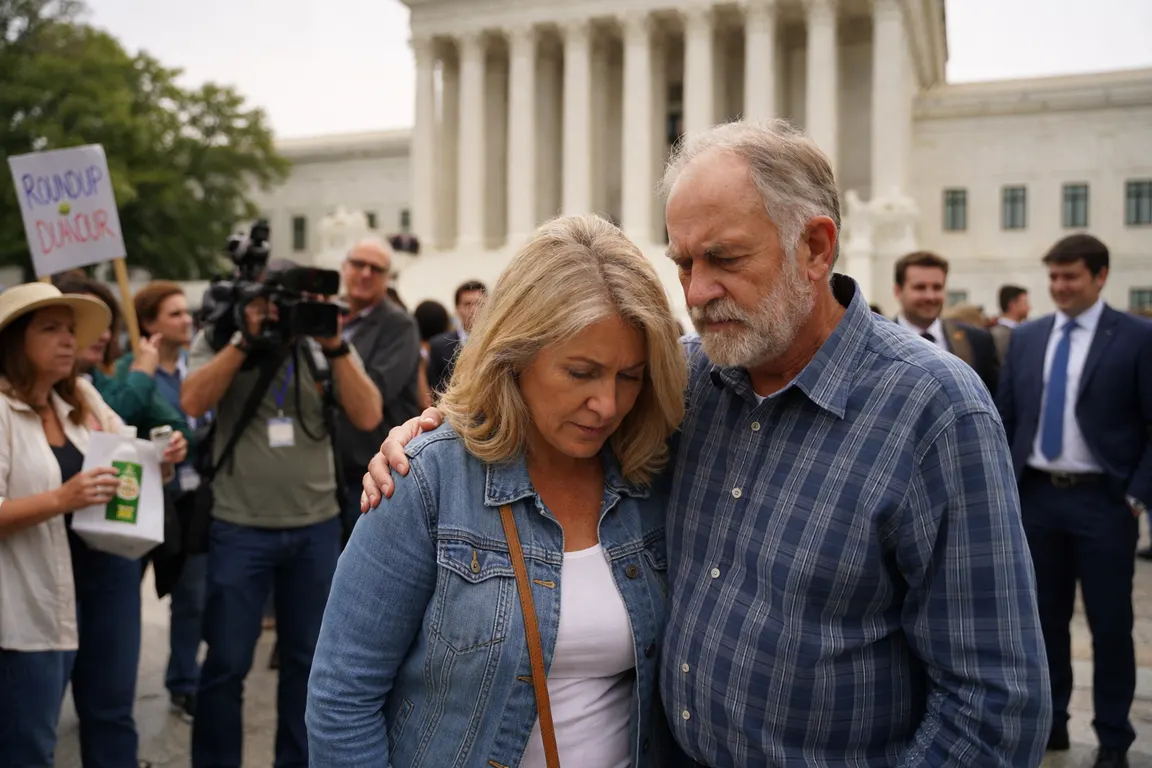
The US Supreme Court ruled 7-2 in favor of Bayer, the maker of Roundup, blocking thousands of lawsuits over pesticide warning labels. This decision has significant implications for individuals who claim to have developed cancer after using Roundup, as it limits their ability to sue the manufacturer for failing to provide adequate warning labels.
The case, Monsanto v Durnell, involved claims that the company failed to warn users of product risks, with Justice Brett Kavanaugh offering the majority opinion. Justice Ketanji Brown Jackson wrote the dissenting opinion, joined by Justice Neil Gorsuch. Glyphosate, the key ingredient in Roundup, has been linked to cancer claims, and the case was filed by a Missouri resident who developed cancer after 20 years of using Roundup.
The ruling affects not only individuals who have developed cancer after using Roundup but also Bayer and the broader agricultural industry. A Missouri resident's 20-year battle with cancer, allegedly caused by Roundup, has become a symbol of the nationwide struggle for justice in the face of corporate giants. The decision is expected to block thousands of lawsuits, leaving many to wonder what evidence supports or refutes the link between glyphosate and cancer.
The Supreme Court's decision will likely be followed by continued litigation and advocacy efforts, as individuals and groups seek to hold corporations accountable for the safety of their products. The Supreme Court's ruling is a significant development in the ongoing debate over the safety of Roundup and the responsibility of corporations to protect their customers. While the decision provides some clarity for Bayer and the agricultural industry, it also raises questions about the role of the courts in protecting public health and the environment.