

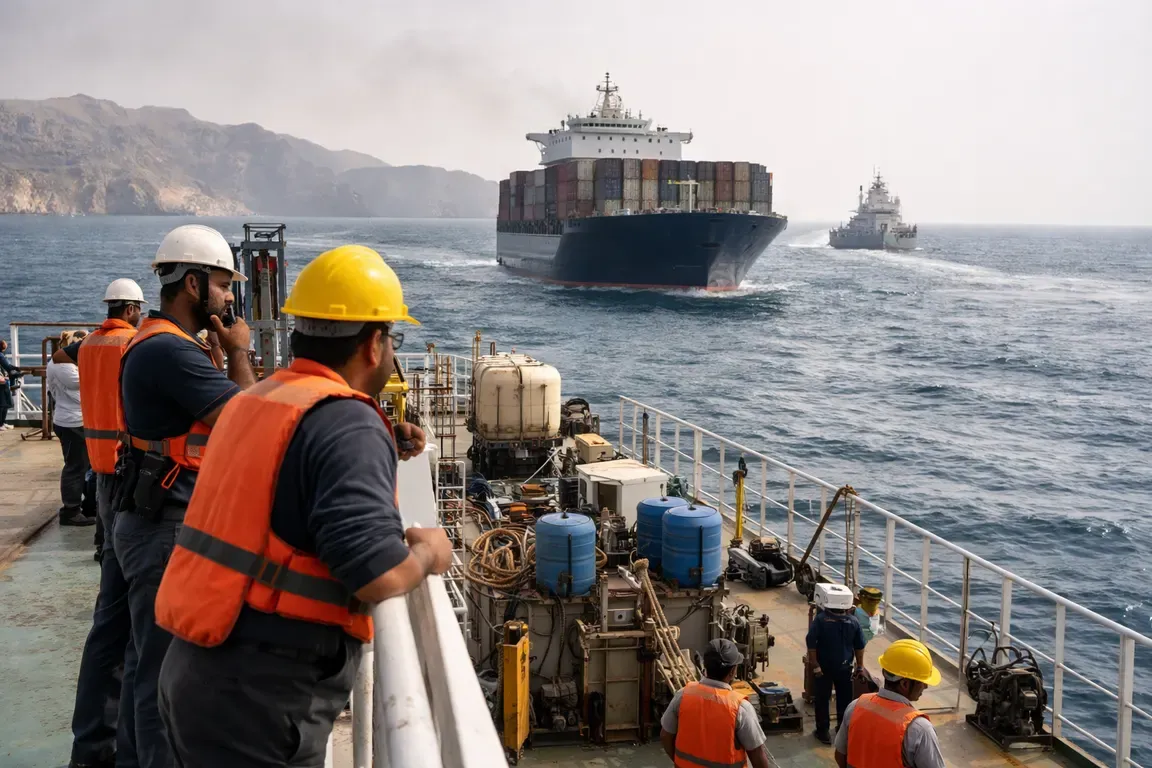
The United Nations has called for an aid corridor to be opened through the Strait of Hormuz, where approximately 20,000 crew members remain stranded due to the closure. The reopening is crucial to prevent a global hunger crisis and alleviate the plight of thousands of seafarers. World leaders have welcomed the news of the potential reopening, which comes as Iran and the US are reportedly preparing to sign a new peace agreement.
The closure of the Strait has led to a months-long limbo for seafarers, with many facing dire living conditions. Seafarers' advocates have welcomed the news of the potential US-Iran deal, which could bring an end to the months-long limbo in the Gulf. The exact terms of the Iran-US peace agreement and the timeline for the reopening of the Strait remain unclear, leaving many questions unanswered.
As the world waits for the details of the agreement, the fate of the Strait of Hormuz hangs in the balance, with thousands of lives and the global economy at stake. The UN's call for an aid corridor and the potential reopening of the Strait have raised hopes for the stranded seafarers and the millions who rely on the Strait for food and trade. The next step will be to see how the Iran-US peace agreement is implemented and whether it will lead to the swift reopening of the Strait, a move that could alleviate the plight of thousands and prevent a global hunger crisis.
The impact of the Strait's closure has been felt globally, with trade and food supplies severely impacted. The reopening of the Strait would be a significant step towards restoring global trade and alleviating the humanitarian crisis faced by the stranded seafarers. While the details of the agreement are still unclear, the potential reopening of the Strait has brought a sense of hope to those affected by the closure. The international community will be watching closely as the situation develops, with the fate of the Strait of Hormuz and the lives of thousands of seafarers hanging in the balance.