

Oil Prices Plummet on US-Iran Peace Deal Hopes
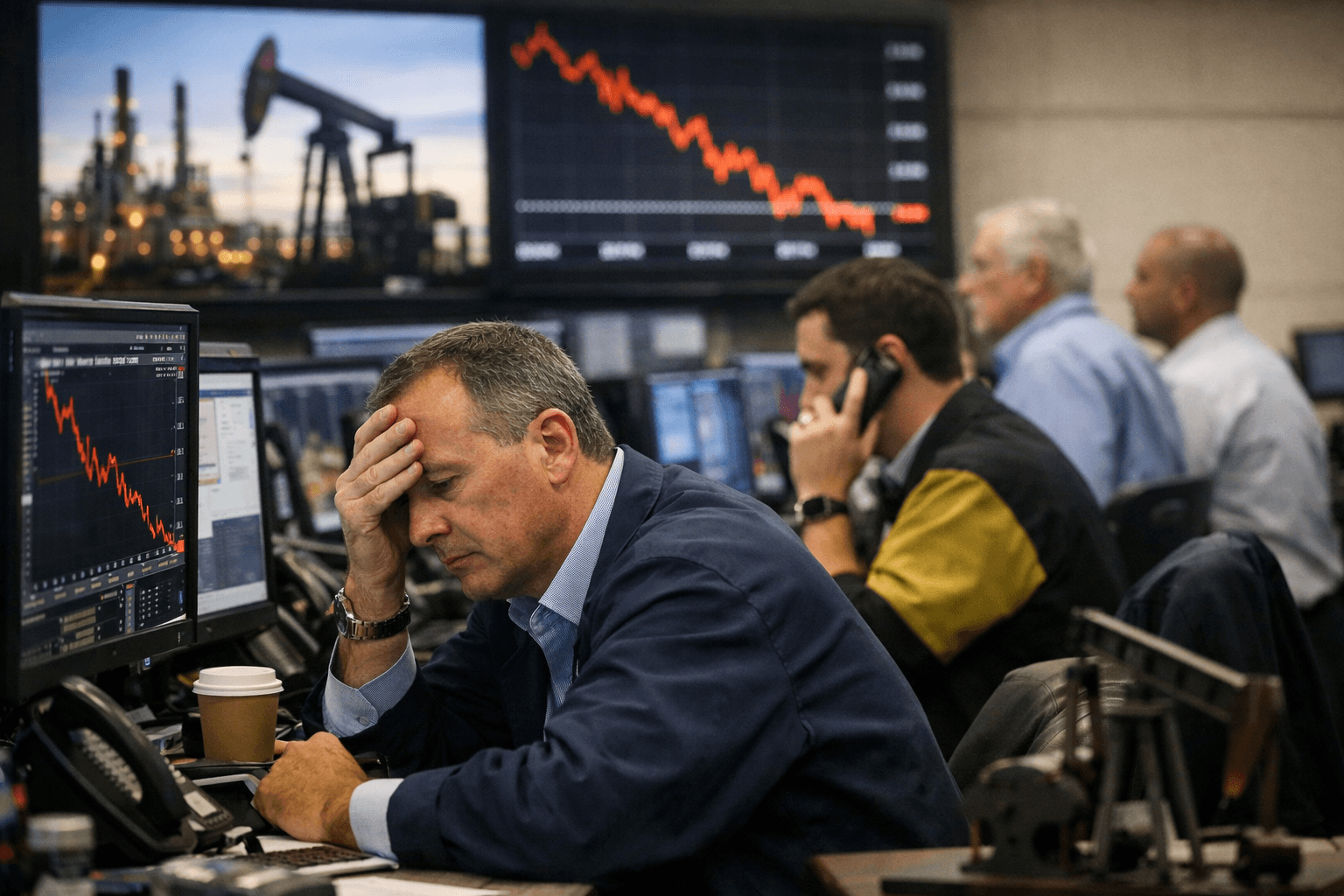
The global oil market has been sent into a frenzy as hopes of a US-Iran peace deal sparked a sharp decline in oil prices, with North Sea Brent crude and West Texas Intermediate plummeting by 5.1% and 5.2% respectively to $98.22 and $91.57 per barrel. This sudden drop has left investors and consumers alike on high alert, as the potential consequences of a negotiated settlement begin to sink in. As the conflict between the US, Israel, and Iran has already caused significant disruptions in the Middle East, a peace deal could have far-reaching implications for the global economy. \n\n The conflict, which began on February 28, has been marked by attacks, counterattacks, and a ceasefire that has been in place since April 8. Despite the temporary lull in violence, tensions remain high, with Tehran imposing controls on Gulf shipping and Washington blockading Iran's ports. The situation is complex, with multiple parties involved and competing interests at play, making a peaceful resolution a daunting task. \n\n As the negotiations between the US and Iran continue, the global economy holds its breath, waiting to see if a deal can be reached. The Japanese stock market, for example, surged to a record high on hopes of an end to the conflict, indicating the potential for a peace deal to have a positive impact on the global economy. The drop in oil prices is a clear indication of the market's optimism, but it also raises questions about the potential risks and challenges associated with a peace deal. For instance, how will the US, Israel, and Iran balance their competing interests and priorities to reach a negotiated settlement, and what role will international mediators play in the process? \n\n The potential consequences of a peace deal are far-reaching, with implications for consumers, investors, and civilians in the region. Truck drivers and airline passengers may see a decrease in fuel costs, while people living in the Middle East may be able to return to their homes and resume their daily lives without fear of violence. However, there are also potential risks, such as the possibility of a power vacuum in the region or the emergence of new conflicts. The situation is delicate, and the outcome is far from certain. As expectations of an imminent deal have been tempered, it remains to be seen whether a peace deal can be reached and what the consequences will be for the global economy. \n\n The road to a peace deal is long and arduous, with many obstacles to overcome. The key sticking points in the negotiations, including disputes over oil, territory, and regional influence, will need to be addressed in order for a deal to be reached. The international community will be watching closely, as the outcome of these negotiations has the potential to shape the future of the Middle East and the global economy. As the situation continues to unfold, one thing is certain: the consequences of a US-Iran peace deal will be felt far beyond the region, with implications for consumers, investors, and civilians around the world.