

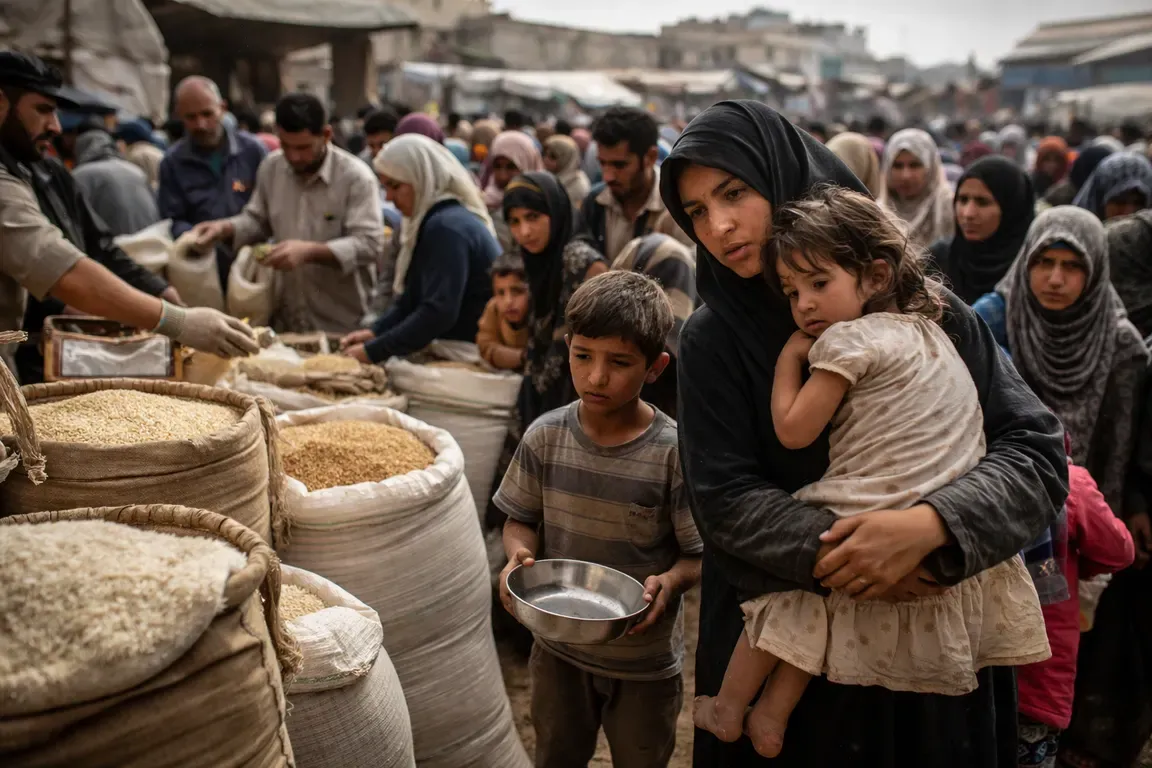
The US-Israeli strikes on Iran are having a devastating impact on global food security, fueled by the Mideast Conflict. According to the UN's World Food Program, up to 45 million people could be pushed into acute hunger if oil prices remain around $100 per barrel until the end of June. The war's impact on global food security is being felt now, with soaring oil prices and trade disruptions leading to increased hunger and food insecurity, particularly in vulnerable countries.
At the start of the year, 320 million people were already considered acutely food insecure, and the situation is worsening by the day. The closure of the Strait of Hormuz, a critical oil supply route, has led to increased hunger and food insecurity. Somalia is one of the countries most affected, with 2.5 million more people projected to be unable to afford basic foodstuffs by the end of the year.
The World Food Program estimates it will serve 1.5 million fewer people in 2026 than originally planned, and the conflict could lead to more than 9 million people losing assistance if it lasts six months. The war is affecting millions of people worldwide, particularly in vulnerable countries where households are struggling to afford basic foodstuffs and essential needs. As the conflict continues, the world is facing a perfect storm of soaring oil prices, trade disruptions, and dwindling humanitarian aid, which is pushing millions of people to the brink of hunger.
The UN's World Food Program has warned that the situation is dire, and immediate action is needed to address the humanitarian needs of those affected by the conflict. The question now is what will be done to address the growing hunger crisis, and how long will it take for the international community to respond effectively. With the number of people struggling to access basic foodstuffs increasing daily, the need for a swift and coordinated response has never been more pressing.