

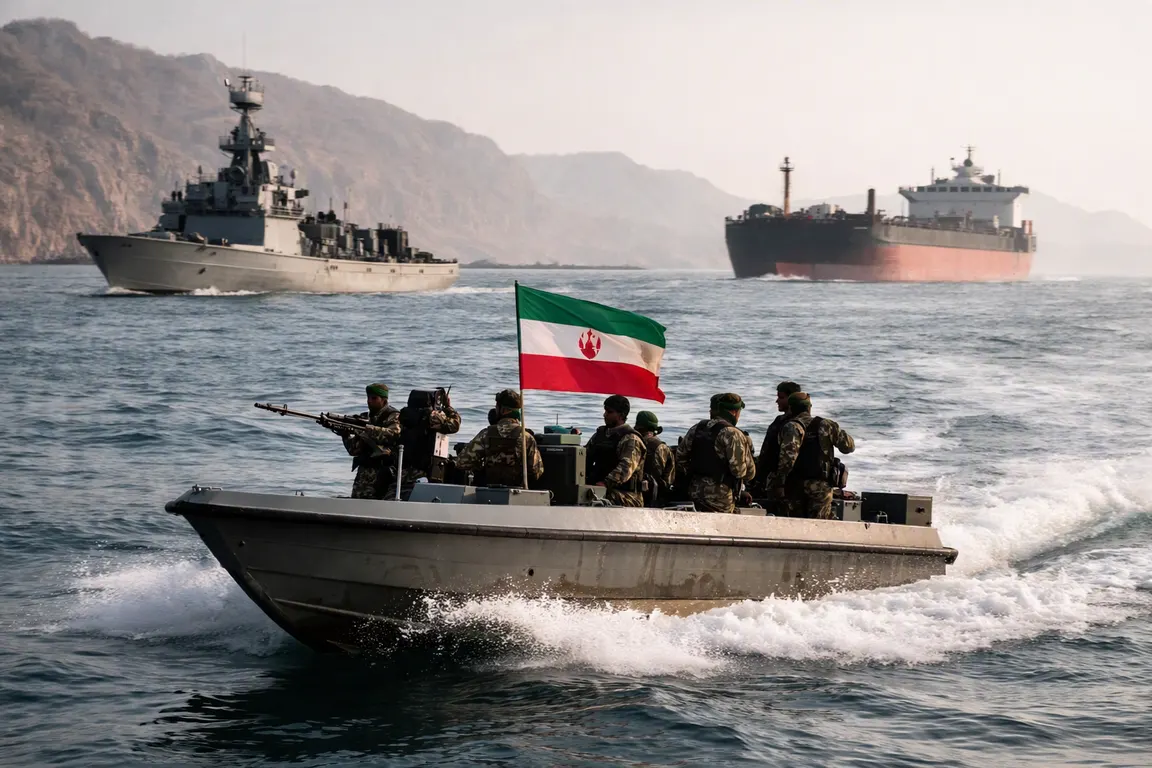
The Strait of Hormuz remains restricted, affecting global oil supplies and shipping, as Iran sets steep demands for the US to meet before considering reopening. The restrictions have significant implications for the global economy, particularly in regions reliant on oil imports. Iran has restricted the Strait of Hormuz for 29 days, with no ongoing negotiations between Tehran and Washington.
Iranian Foreign Minister Abbas Araghchi stated there are no talks between the two countries. The White House had previously signaled a deal to clear commercial passage was within reach, but Tehran has since set out a series of demands. The Strait of Hormuz is a critical waterway for global oil supplies and shipping, with nearly a third of the world's seaborne oil passing through it.
The sources disagree on the likelihood of a deal, with some suggesting a breakthrough was imminent and others indicating that Iran's demands are a significant obstacle. Oman was mentioned as a potential mediator in the dispute, but its role remains uncertain. The restrictions on the Strait of Hormuz are affecting global oil supplies and shipping, with potential impacts on the economy and community.
As the world watches the standoff between Iran and the US, the real question is what it will take for Iran to lift its restrictions and restore free passage through this critical waterway. Iran's demands for reopening the Strait of Hormuz include significant changes from the US, but the details of these demands have not been made public. The next steps in the negotiations are unclear, with no ongoing talks between the two countries.
The potential economic and community impacts of the ongoing restrictions are significant, particularly in regions reliant on oil imports. The restrictions have been in place for 29 days, with no clear end in sight. The global community is watching the situation closely, as the standoff between Iran and the US continues to affect global oil supplies and shipping.