

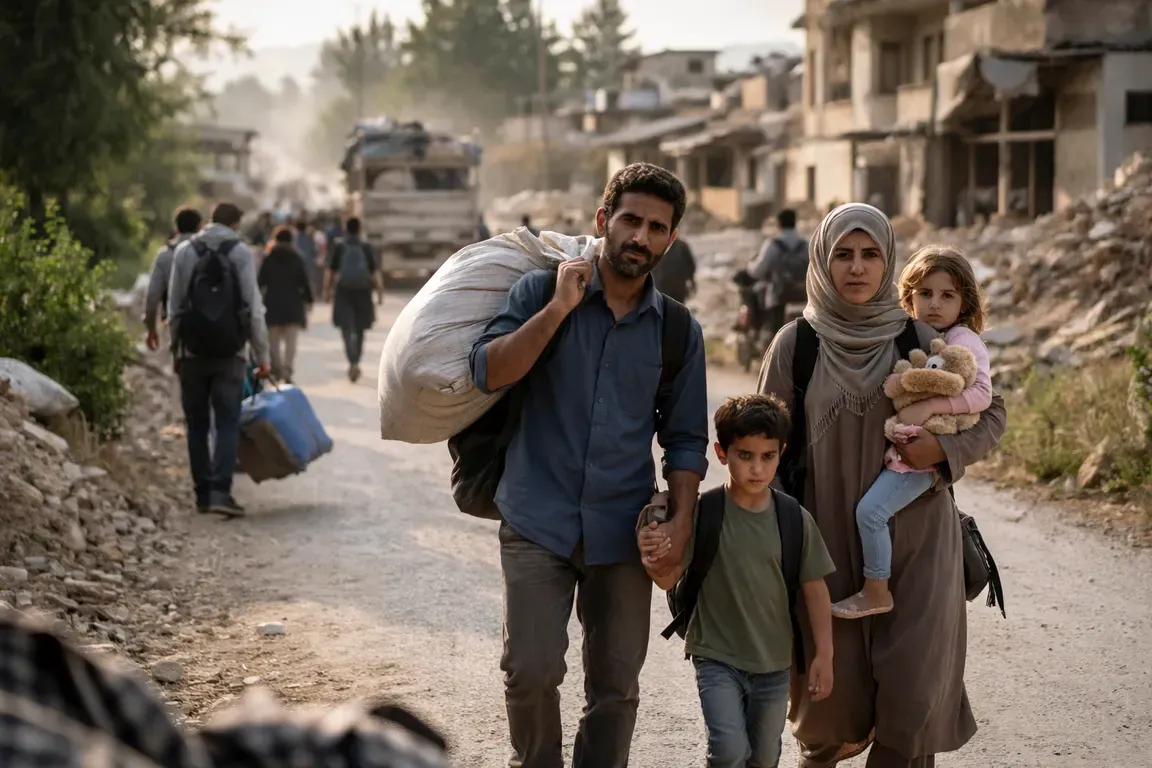
The number of forcibly displaced people worldwide has decreased for the first time in a decade, with 117.8 million people displaced from their homes at the end of 2025. This decline is attributed to a sharp increase in refugees and internally displaced people returning home, often under pressure and to countries with persistent insecurity, damaged infrastructure, and scarce basic services and economic opportunities.
According to the UN, 14.7 million displaced people returned to their places of origin in 2025, with 4.4 million refugees crossing back into their home countries, marking the second-highest number of refugee returns since records began 60 years ago. More than 90% of refugee returns in 2025 were concentrated in Afghanistan, Sudan, and Syria, countries still reeling from conflict, violence, and persecution.
The conditions in these countries raise concerns over the long-term solution to the displacement crisis, as many returns are to unsafe and unstable conditions. The decrease in resettlement spots, from 188,800 in 2024 to 81,800 in 2025, also poses a challenge for refugees seeking a long-term solution. 70% of refugees are living in protracted situations, often lasting years and even decades, with 60% of new refugees in 2025 fleeing from just eight countries, including nearly a million from Sudan and almost 800,000 from Ukraine.
The international community must now respond to the UN's call to action to reduce long-term displacement and reliance on humanitarian aid. As the world marks this rare decline in displacement numbers, it is crucial to consider the sustainability of these returns and the support systems in place for those returning to their home countries. The potential consequences of returns that are not safe or sustainable must be mitigated, and initiatives to address the root causes of displacement must be implemented to ensure a long-term solution to the crisis.