

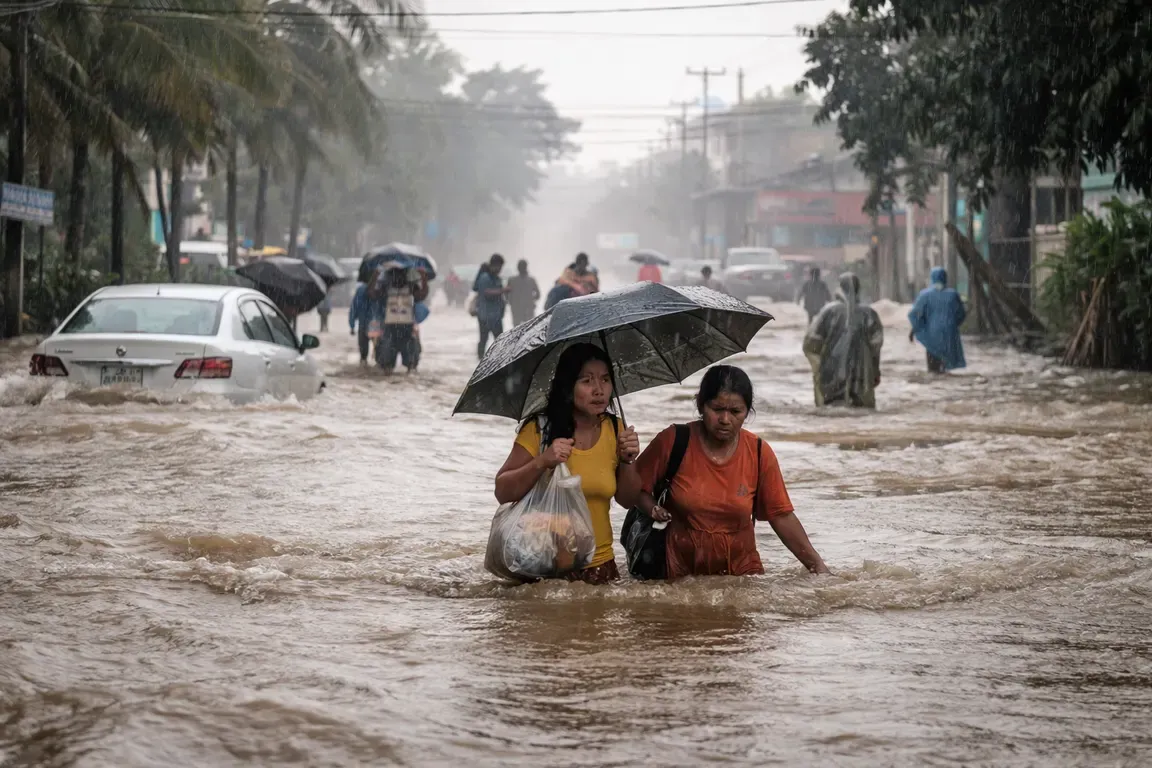
Scientists warn of a potentially record-breaking El Niño Event, which could lead to extreme weather conditions, including heat waves, floods, and droughts, around the world. The US National Oceanic and Atmospheric Administration has officially confirmed the existence of the El Niño event, with a 63% chance it will rank among the largest El Niño events in the historical record.
The El Niño event is expected to worsen the already intensifying climate change impacts, such as floods and heat waves, and could lead to significant economic and human losses if not properly prepared for. According to scientists, the event will bring heavy rain and floods to parts of western South America, while drought, wildfires, and heat threaten Australia.
Some scientists note that individual models are not unanimous in supporting a very strong El Niño event, but those at the lower end have historically underestimated El Niño strength. The United Nations Secretary-General António Guterres has described El Niño as an 'urgent climate warning'. The El Niño event could lead to more intense storms with heavier rainfall in the South of the US, but may also benefit the US agriculture industry.
The event is expected to have significant impacts on global food production, with some areas experiencing drought and others experiencing heavy rainfall. Scientists predict that 2027 will be the hottest year on record due to the lagging effects of the El Niño event. As the world grapples with the challenges of climate change, the potential consequences of this El Niño event are a pressing concern.
The exact timing and intensity of the El Niño event remain uncertain, but one thing is clear: preparation is key to mitigating its effects. With the El Niño event officially underway, governments and communities must take immediate action to prepare for the potential consequences, including investing in climate-resilient infrastructure and developing early warning systems. The El Niño event is expected to peak in the fall or winter, with some forecasts suggesting it could peak a month or two earlier than usual.