

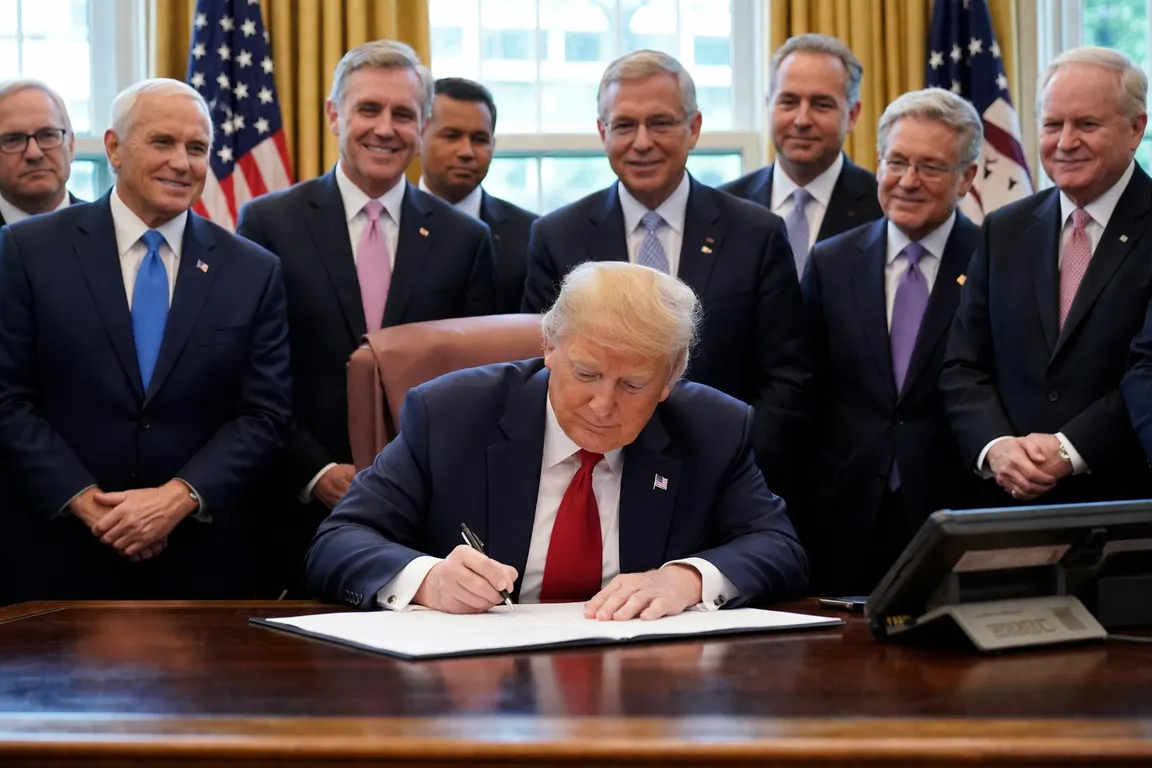
The Trump administration's 2025 Tax Bill, signed into law on July 4, 2025, introduces significant changes to the US tax code. The bill extends many of the lower tax rates and increased standard deduction base amounts from the 2017 Tax Cuts and Jobs Act, providing relief to taxpayers.
The new law affects various groups, including taxpayers, businesses, and individuals impacted by environmental and health policies. The top marginal income tax rate was reduced from 39.6 percent to 37 percent, affecting the top 2 percent of taxpayers, and the estate tax was cut, with only the richest 4,000 estates owing any estate tax in 2023.
The introduction of new temporary tax deductions and credits, including those related to tips and overtime pay, can help stimulate economic growth, according to the Tax Foundation. However, the Center for American Progress argues that the tax bill disproportionately benefits the rich, with the top marginal tax rate cut and estate tax cuts.
The Trump administration's decisions on other policy issues, such as the review of atrazine and the potential use of psychedelic drugs like ibogaine, have raised concerns about environmental and health risks, as reported by the Center for Biological Diversity and CNBC. The elimination of certain incentives, including the federal EV tax credit and other clean energy credits, may also have significant implications.
As Americans try to understand how the new laws will impact their finances and the broader economy, questions remain about the overall effect of the tax bill and the potential long-term consequences. The specific implications of the tax bill for different income groups and its impact on income inequality are also unclear.
The next step for taxpayers and stakeholders will be to closely monitor the implementation of the new tax law and its effects on the economy and environment, as the Trump administration continues to make decisions on various policy issues.